
How Chinese Face Reading for Health Works
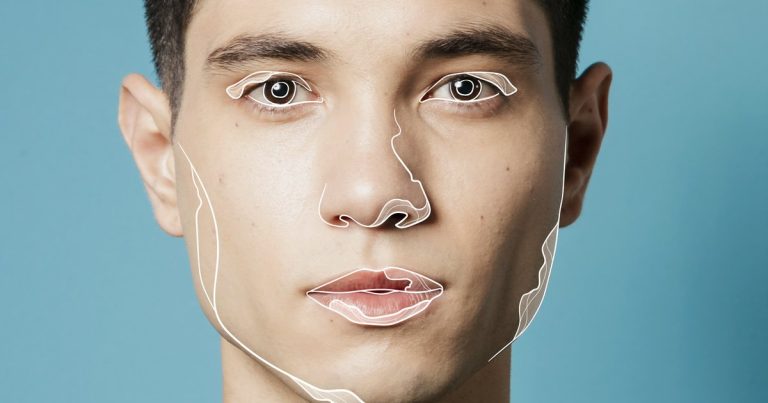
Chinese face reading health checks link each area of the face to an internal organ and look for changes in color, luster and texture.
Traditional Chinese medicine‘s diagnostic method of observation is profound, and judging health by facial features is the most basic and intuitive aspect. Many people find facial diagnosis mysterious, but it is actually supported by a systematic theoretical framework. In TCM, the face is closely connected to internal organs; different areas correspond to different organs. By observing changes in the color, luster, and texture of these areas, one can make a preliminary judgment about the body’s condition.
For example, a yellowish complexion may indicate poor spleen and stomach function, while dark circles under the eyes may be related to kidney deficiency. That’s the core of Chinese face reading health checks: where a change shows up tells you which organ to look at.
However, it’s important to understand that simply having pimples on your face doesn’t automatically mean there’s a problem with any organ. This is an oversimplified and misleading statement. Experienced traditional Chinese medicine practitioners will analyze the symptoms comprehensively, considering other signs, and won’t draw conclusions based on a single observation.
But for the average person, having some basic knowledge is still very useful, at least in helping us to detect abnormal signs early. The same features are also read for personality and fortune, which is the focus of Mian Xiang character reading.
What Can Your Face Tell You About Your Health?
For example, the forehead represents the heart and lungs area; if it’s frequently oily or has visible red veins, it might indicate excessive heart fire.
The sides of the nose correspond to the liver and gallbladder area; if the skin in these areas is bluish or has spots, you should consider whether there’s liver qi stagnation.

What Your Complexion Color Means in TCM
Judging health by facial features requires a combination of overall observation and attention to detail. Let’s start with complexion. A normal person’s complexion should be a subtle reddish-yellow, bright and radiant, indicating harmonious Qi and blood.
If you find your complexion is pale, it may indicate blood deficiency or insufficient Qi; a reddish complexion, especially flushed cheeks, is often related to Yin deficiency and excessive Fire; and a bluish complexion may indicate liver Qi stagnation or cold syndrome. These changes don’t occur overnight but are often a reflection of the body’s long-term condition.

Chinese Face Reading Health Signs, Area by Area
Dark Circles and Puffy Eyelids
Let’s take a look at the area around the eyes. Dark circles under the eyes are a common problem, especially after staying up late. However, if these dark circles persist and are quite deep, it’s not just a simple matter of fatigue; it may indicate kidney deficiency or excessive dampness in the body.
Similarly, puffy upper eyelids can sometimes be related to kidney function, especially if they are particularly noticeable upon waking in the morning. Of course, these are just indicators, and you can’t conclude a serious health problem based on just one; you need to consider other symptoms for a comprehensive assessment.
The Nose, Mouth and Lips
There are certain patterns to be found in the body parts corresponding to different areas of the face. For example, the tip of the nose is mainly associated with the spleen and stomach functions.
If you find that your nose is always red, or even has obvious blood vessels, it may be a sign of excessive stomach heat or an overburdened digestive system. The corners of the mouth are the large intestine reflex zone. If these areas are frequently peeling and cracked, in addition to dehydration, it may also reflect problems with intestinal function.
In addition, the color and shape of the lips are also crucial, pale lips are often seen in people with anemia, while acne around the lips is often associated with endocrine disorders. Our Chinese face map sets these area-to-organ links side by side and compares two classical arrangements of the zones.
The Forehead
Changes in the forehead can often reflect the condition of the heart and lungs. If you notice your forehead is oily or you occasionally get a few red pimples, this may be a sign of excessive heart fire. If your forehead is dark or even grayish, you should be wary of insufficient heart qi or decreased lung function.
Of course, these are not absolute diagnostic criteria, but rather observation points for daily health maintenance. For example, many people feel their foreheads are oilier in hot weather, and adjusting their lifestyle and diet can alleviate this.
However, if these symptoms persist for a long time and are accompanied by discomfort such as chest tightness and shortness of breath, it is advisable to see a doctor for a full checkup as soon as possible.
Skin Radiance, Texture and Swelling
Overall Skin Radiance
Another crucial aspect of face diagnosis is observing the overall radiance of the skin. Traditional Chinese medicine says, “To know by observation is divine,” meaning that one can judge a person’s health by observing their complexion. Bright, radiant skin indicates sufficient Qi and blood; conversely, a dull, dry, and rough complexion suggests a deficiency of body fluids or poor Qi and blood circulation.
This is especially true for women, as it is often accompanied by scanty menstruation or irregular cycles. In such cases, in addition to dietary therapy, it’s essential to manage emotions, as the influence of emotions on the internal organs cannot be ignored. Maintaining a cheerful mood is very helpful in improving facial complexion.

Nasolabial Folds and the Philtrum
In TCM, subtle changes in facial texture can reveal a lot of information. For example, a sudden deepening of nasolabial folds (the lines extending from the sides of the nose to the corners of the mouth) may indicate poor nutrient absorption due to a weak spleen and stomach; while a shortening or abnormal coloring of the philtrum (the groove between the nose and lips) may suggest declining reproductive system function.
However, it’s important to emphasize that most of these changes in texture develop naturally with age, and occasional slight changes are nothing to worry about. But significant changes occurring in a short period of time should be taken seriously.
Facial Swelling
Finally, let’s talk about facial swelling, a common phenomenon. It’s normal for your face to be slightly puffy upon waking in the morning, but if it’s swollen throughout the day, especially if pressing on it leaves a noticeable indentation, then it’s worth noting. This is often related to abnormal kidney function or water metabolism disorders.
You should also pay attention to your urine; if there’s foam that doesn’t dissipate easily or an abnormal color, you should seek medical attention as soon as possible to rule out underlying diseases. Of course, some people experience temporary edema due to excessive salt intake or drinking too much water before bed; in these cases, simply adjusting your lifestyle will improve the situation.
Chinese medicine also ties the skin to the lungs, which it says govern the skin and body hair. That’s why dry, rough skin is read partly as a lung sign.
Facial Signs Doctors Look For
The face reflects the mind, and facial features are very important. They can reveal not only a person’s personality traits but also whether they have illnesses. Western medicine uses inspection, palpation, percussion, and auscultation, while traditional Chinese medicine uses observation, auscultation, inquiry, and palpation. The first step in all of these is to look at the face. Therefore, facial features are very important in the diagnosis of diseases. Whether you are healthy or not is written on your face! Some subtle changes in facial features are actually signs of disease, which many of us don’t notice when we look in the mirror. Since we look in the mirror every day, why not learn how to “read faces”?

Anemic Face
This is a common symptom, characterized by pale complexion, pale lips and tongue, accompanied by fatigue, palpitations, and shortness of breath. In traditional Chinese medicine, it is considered a deficiency syndrome due to insufficient qi and blood.
Masked Face
A blank, expressionless face, resembling a mask, is caused by inhibited facial muscle activity. It is commonly seen in Parkinson’s disease, encephalitis, cerebrovascular disease, and cerebral atrophy.
Liver Disease Face
The complexion is dull and the skin lacks luster. The sclera is yellow and accompanied by signs of anemia such as pale conjunctiva. There may also be systemic changes, such as ascites and black stools. Spider angiomas may also appear on the neck or face.
Kidney Disease Face
The face is pale and puffy, the skin is tight and dry, and the eyelid swelling is especially noticeable in the morning. There is also often a pitting edema on the forehead. It can also be seen in heart failure, malnutrition, facial angioedema, and severe asthma.
Overactive Thyroid Face
Symptoms include protruding eyeballs, wide-open palpebral fissures, staring eyes with a fearful expression, sallow complexion, emaciation, restlessness, irritability, and anger. Traditional Chinese medicine attributes this to stagnation of liver qi, which over time transforms into fire, liver yin deficiency, and liver yang hyperactivity.
Mitral Face
Also known as rheumatic heart disease facies, it is characterized by a yellow and swollen complexion, dark red cheeks, bluish lips, a dark tongue, palpitations, and shortness of breath. It can also be seen in patients with pulmonary heart disease or certain congenital heart diseases. Traditional Chinese medicine believes it is due to blood stasis in the heart, caused by deficiency of heart qi and yang deficiency.
Full Moon Face
The face is rosy and swollen, round like a full moon, so much so that the ears are not visible from the front and the nose is not visible from the side. Due to the accumulation of fat in the cheeks, the nostrils are pulled down, the mouth opening becomes smaller, and a deep groove appears between the corner of the mouth and the cheek. The complexion is rosy and tender, with increased fine hair, frequent acne, and a faint mustache visible on the upper lip. This condition is seen in Cushing’s syndrome or due to long-term use of steroid medicines.
Why Face Reading Is No Substitute for Checkups
In short, while observing facial features can indeed provide some insight into the body’s internal condition, it’s only one of the supplementary methods. For true early detection and prevention, regular checkups and a healthy lifestyle are essential.

Final Thoughts on Chinese Face Reading for Health
Traditional Chinese medicine’s diagnostic method of observation, especially through facial examination to assess health, is an ancient and practical diagnostic technique. From complexion and facial features to overall physique, every detail can reveal signals of internal health problems.
Mastering these techniques can not only help us detect potential health issues early but also provide direction for daily health maintenance. Whether a face also reveals personality is a separate question, and is face reading real looks at first impressions and the research ideas behind that claim.
Whether a rosy complexion indicates sufficient Qi and blood, a bluish-purple complexion suggests blood stasis, or a sallow complexion reflects insufficient nourishing blood, these external manifestations are all the body “speaking.” Learning these key points of facial diagnosis means mastering the basic ability to communicate with the body.
So, don’t ignore the health clues your face reveals!
Keep reading
What Is Mian Xiang? How Chinese Face Reading Works
Chinese face reading can work as a self-assessment, looking at five areas of your face: the forehead, eyes, nose, mouth and ears.…
What the Yintang and Its Lines Mean in Chinese Physiognomy
Yintang in Chinese physiognomy means the space between the brows, called the Palace of Destiny, and the lines that form there are…