What Is Facial Diagnosis in Chinese Medicine?
Facial diagnosis is a traditional Chinese medicine diagnostic method in which doctors infer a patient’s health status by observing changes in the patient’s facial color, shape, and expression. It is mainly based on the following: the five colors of the face correspond to the internal organs; specific areas reflect the state of organs; changes in expression indicate the severity of the illness; facial texture helps to judge the constitution; and dynamic expressions assess the circulation of qi and blood. Chinese face reading also has a non-medical side, and Mian Xiang face reading uses the same features to discuss personality and fortune.
The Five Principles of TCM Face Reading
The Five Colors and the Internal Organs
Traditional Chinese medicine theory holds that different facial colors correspond to the functional states of different internal organs. Bluish-green often indicates liver qi stagnation or pain; red frequently reflects excessive heart fire or heat syndrome; yellow is often seen in spleen deficiency with dampness or jaundice; white is usually associated with insufficient lung qi or blood deficiency; and black may indicate kidney deficiency or cold stagnation and blood stasis. By distinguishing the primary and secondary colors of the face, combined with the luster, doctors can assess the strength of the body’s vital energy, thus initially locating the affected organs and providing directional guidance for subsequent pulse diagnosis and questioning. Reading the face for health in TCM goes further into complexion color, dark circles, nasolabial folds and facial swelling.
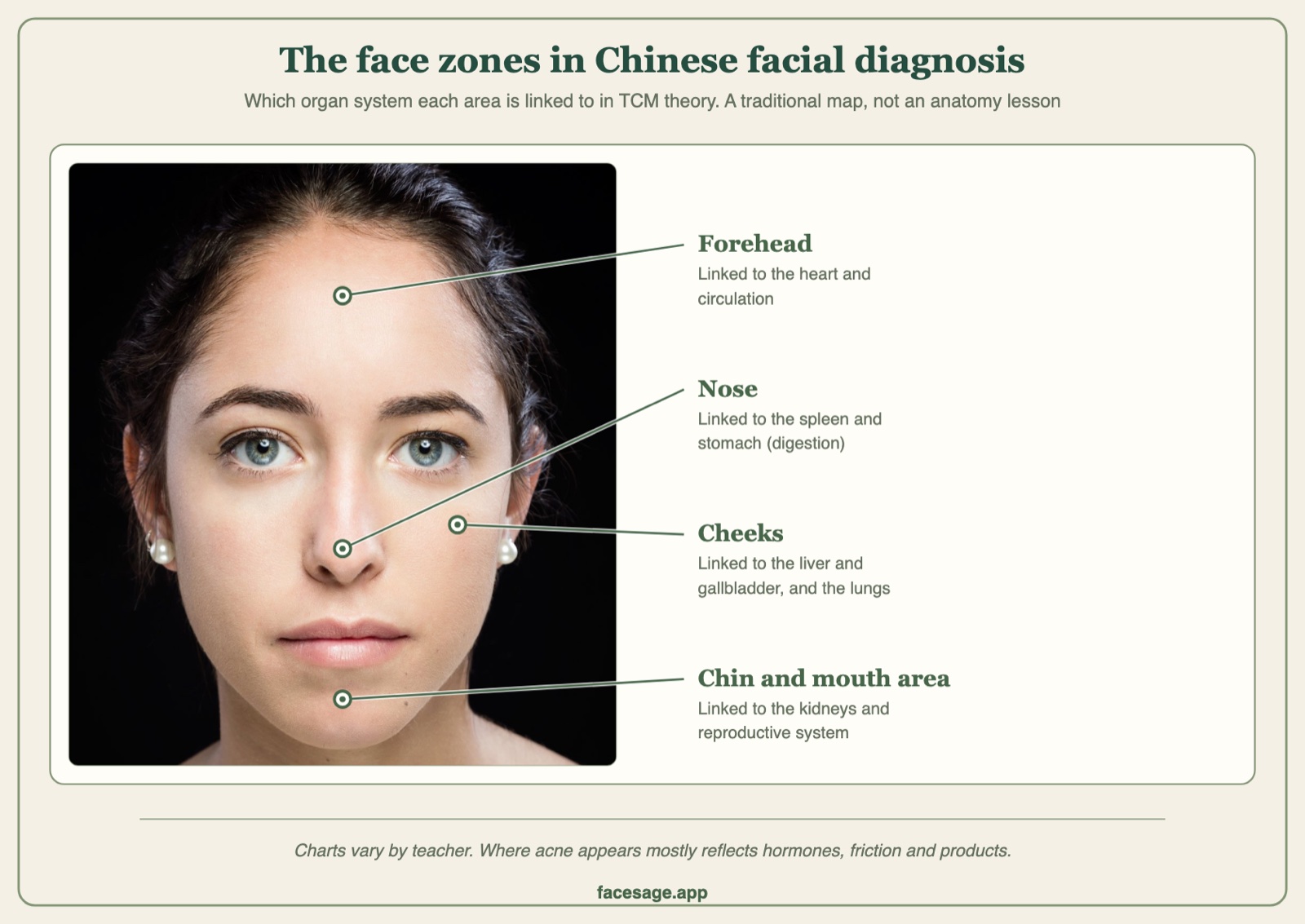
Face Zones Mapped to Organs
The face is divided into several specific areas corresponding to internal organs. The forehead area mainly reflects cardiovascular function, the nose corresponds to the digestive system (spleen and stomach), the cheeks are associated with the liver, gallbladder, and lungs, respectively, and the chin and perioral area often indicate the condition of the kidneys and reproductive system. When abnormal changes such as acne, pigmentation, peeling, or swelling appear in a certain area, it often suggests functional disorders or accumulation of pathological products in the corresponding organ. Doctors can use this information to infer potential health risks and conduct targeted investigations. A detailed Chinese face map lays these zones out region by region and compares them with dermatology explanations for breakouts.
Facial Expression and Spirit
Spirit is the outward manifestation of life activities. The vitality of facial expression directly reflects the body’s overall energy and mental state. A person with a strong spirit has bright eyes and clear consciousness, indicating a good prognosis. A person without a strong spirit has dull eyes and a listless spirit, indicating a more serious condition. A false spirit is a phenomenon of a critically ill patient experiencing a final burst of energy before death. Doctors focus on observing the liveliness of the eyes, the naturalness of facial expressions, and the agility of reactions, combined with the luster and dryness of the complexion, to judge the trend of disease development, thereby assessing the patient’s overall vitality and disease resistance.
Skin Texture and Body Constitution
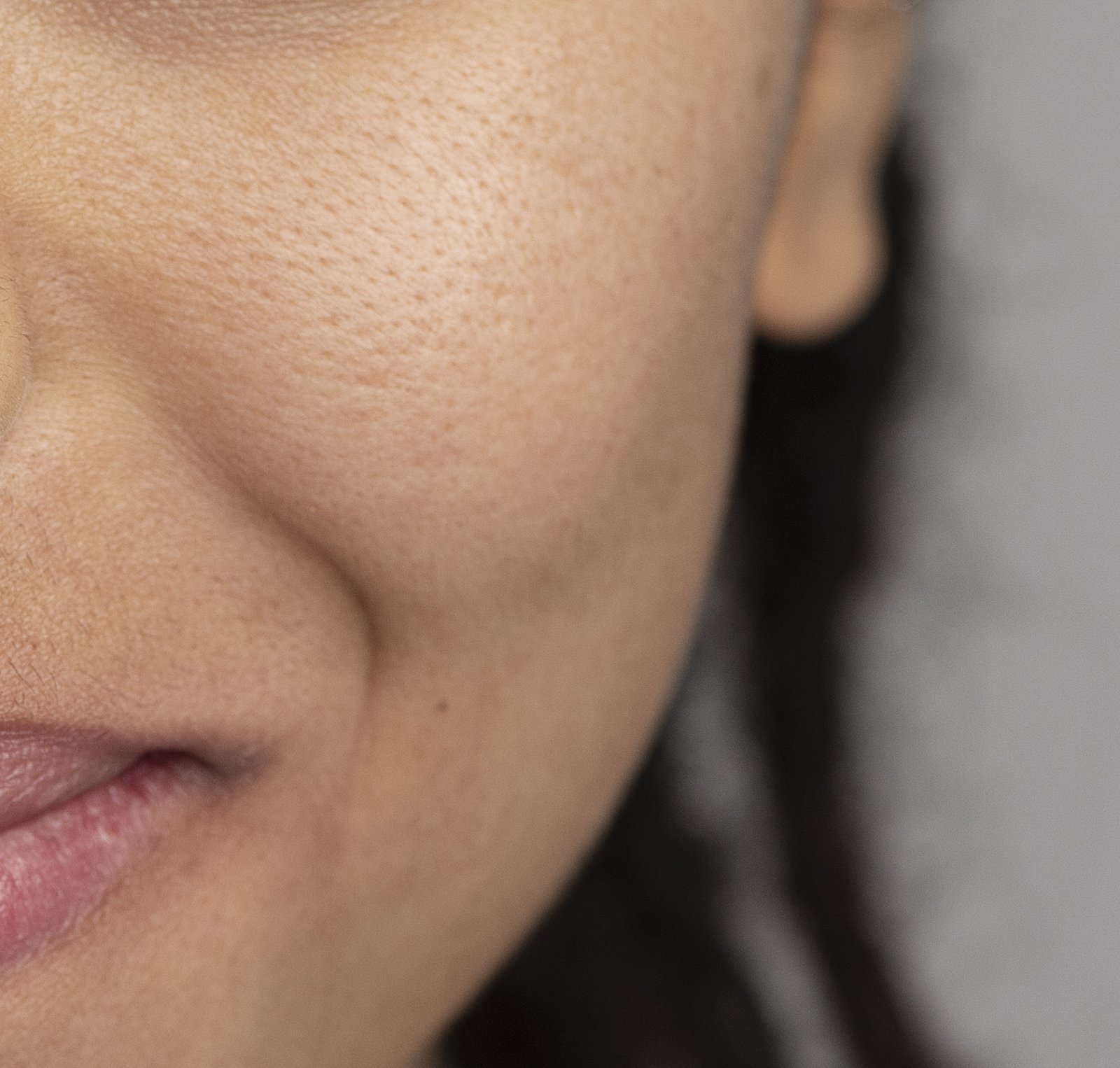
The texture, pore size, and wrinkle direction of facial skin reveal a wealth of information about one’s constitution. Fine texture and tight pores often indicate a balanced or Yin-deficient constitution, while coarse texture and large pores are commonly seen in a damp-heat or phlegm-damp constitution. Premature appearance of deep wrinkles may suggest Qi and blood deficiency or insufficient kidney essence. Doctors analyze facial skin texture and morphology, combined with tongue and pulse examinations, to comprehensively determine a patient’s innate constitution and acquired health conditions, and then develop a personalized treatment plan to improve any imbalances in their constitution.
Facial Movement, Qi and Blood
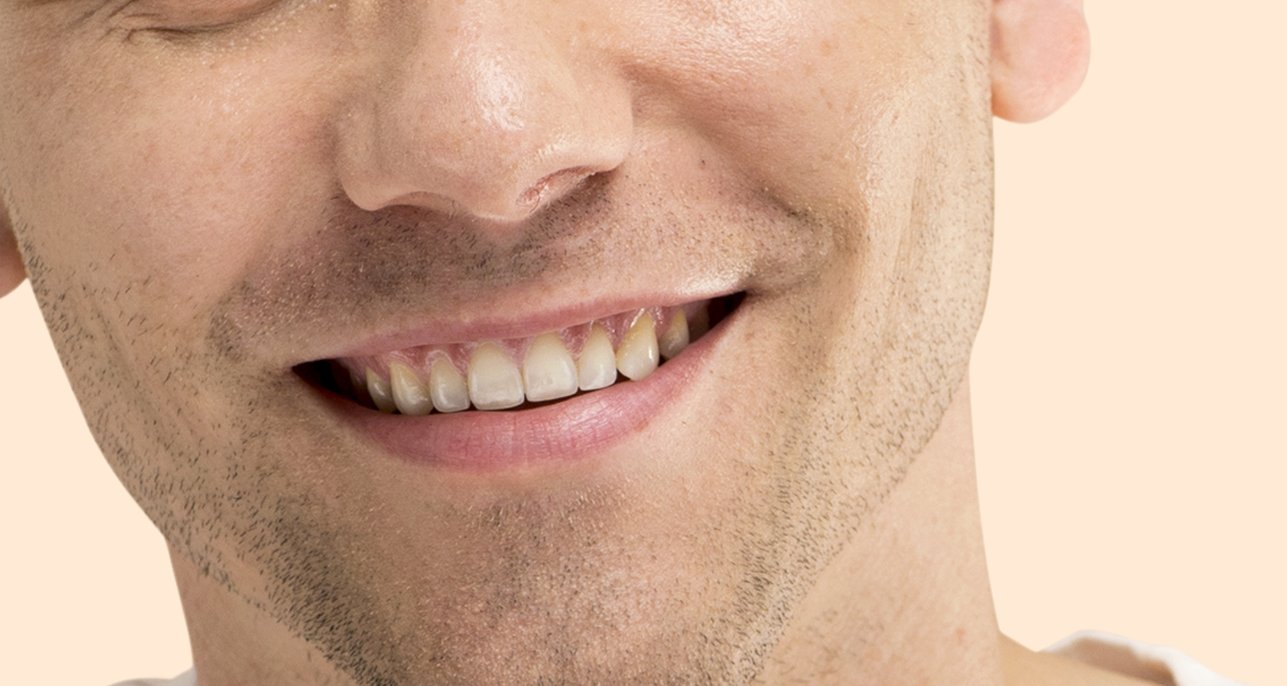
Facial muscle movement and facial expressions directly reflect the smoothness of blood and qi circulation. Rich facial expressions and even muscle strength indicate abundant blood and qi and unobstructed meridians, while stiff expressions, unilateral twitching, or facial asymmetry suggest wind-evil invading the meridians or blood and qi stagnation. During the consultation, doctors closely observe dynamic details such as the coordination of facial muscles when the patient speaks, the symmetry of their smile, and the frequency of blinking. This helps in diagnosing facial paralysis, stroke precursors, or emotional disorders, ensuring timely intervention to prevent the condition from worsening.
What Face Reading in Chinese Medicine Can’t Replace
While facial diagnosis, as one of the four diagnostic methods in Traditional Chinese Medicine, can provide important reference clues, it cannot replace modern medical imaging and laboratory tests. Daily life should include maintaining a regular sleep schedule, avoiding staying up late and damaging one’s mental state, and eating a light and balanced diet, reducing the intake of spicy and greasy foods to prevent dampness and heat. Moderate facial massage can promote local blood circulation. If persistent abnormalities in facial color or sudden changes in facial shape are observed, one should promptly visit a reputable medical institution for diagnosis and treatment by a professional physician, taking into account overall symptoms, to ensure health and safety. For a longer treatment, Lillian Bridges’s Face Reading in Chinese Medicine is one of the titles compared in our guide to face reading books.
Keep reading
How Mian Xiang Chinese Face Reading Uses Your 5 Facial Features
Facial features are not just for predicting good or bad fortune; they can also help us understand our innate traits, personality weaknesses,…
How Five Element Face Reading Matches Faces to Elements
In life, different people have different Five Elements, and the facial features reflected by different Five Elements are also different. Let’s take…