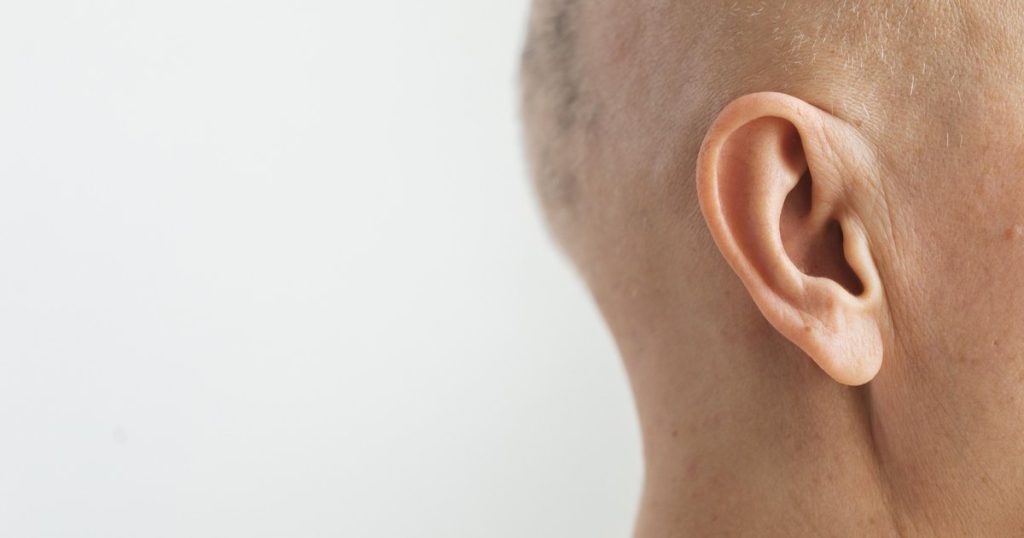
When I was a child, during family gatherings and holidays, the elders would often gently pinch the ears of the younger generation, smiling and saying: “Big ears mean a strong body; thick earlobes mean good fortune; ears close to the head mean a worry-free life.” As young and naive children, we mostly laughed it off, taking it as just old-fashioned sayings and feudal superstitions, never taking it to heart, and even secretly thinking it was outdated.

But as we grow older and gain more experience, navigating the ups and downs of life, we gradually discover an interesting pattern: there really are people in life who, while not the most shrewd or capable, lead a smooth and uneventful life with few setbacks. They always have someone to offer kind advice when they encounter difficulties, someone to lend a helping hand during their low points, they suffer very little loss, are constantly accompanied by benefactors, and enjoy a stable and worry-free old age. And upon closer observation, one will find that the appearance of these people’s ears is often noticeably different from that of ordinary people.
Today, we’ll set aside superstitions and use simple, down-to-earth logic to fully analyze the true meanings, personality strengths, and hidden weaknesses of various ear shapes. We’ll also share practical methods for ordinary people to cultivate good fortune, health, and luck. After reading this, you’ll understand that the so-called “ear shape indicating fortune” is never predetermined at birth, but rather a result of both innate endowments and acquired practices. For where the other features sit on the traditional map, see our chart of the twelve palaces, which also covers the Three Courts and the Five Sacred Mountains.
How Face Reading Really Reads the Ears
First, we need to dispel the biggest misconception: many people, when examining ear shape, only look at size and thickness, simply concluding that large ears indicate good fortune and thin ears indicate a lack of blessings. In reality, the true logic of physiognomy is never about determining good or bad fortune based on appearance, but rather “observing character and demeanor through appearance.” The size of the ears determines a person’s capacity for receiving information; the thickness of the ears determines a person’s ability to store blessings; the closeness of the ears to the head determines a person’s character and conduct; and the color and condition of the ears determine a person’s current physical and mental well-being.
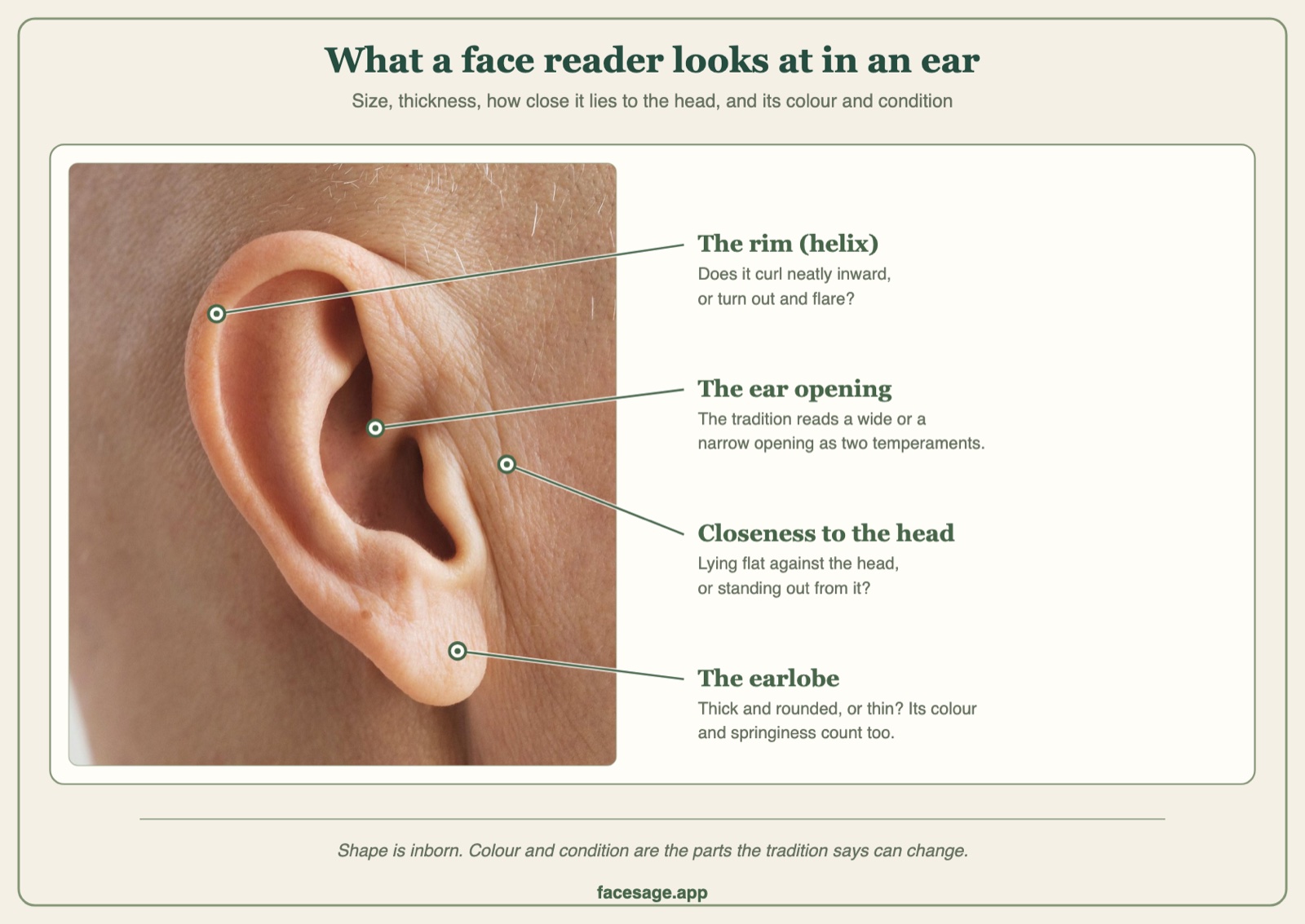
To put it simply, facial features are the physical form, complexion is the state of being, and temperament is the foundation. All ear features are essentially the long-term externalization of personality, lifestyle, mindset, and way of handling things. Understanding the ears is understanding one’s own shortcomings and potential for good fortune in life.
The traditional physiognomy classic “Ma Yi Shen Xiang” clearly states: “The ears are the officials of hearing, ranking first among the five senses, and govern wisdom, longevity, noble people, and one’s later years. If the ears are raised, one’s name will be known far and wide. If the ears reach the shoulders, one’s nobility is beyond words.” Many people find this statement too mystical, but when broken down into modern logic, the reasoning is remarkably simple and insightful.
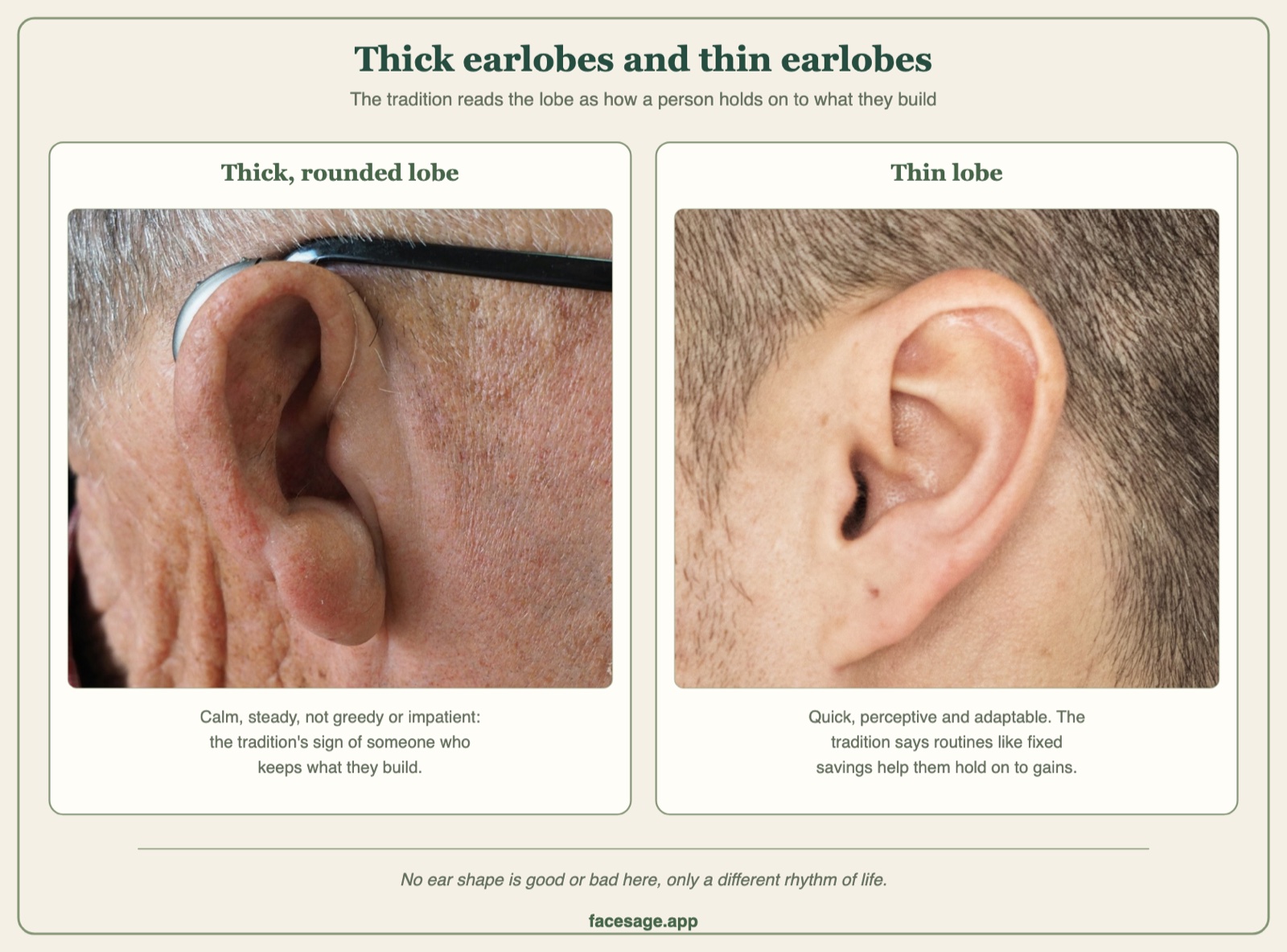
The phrase “upright earlobes and a spacious shape” refers to ears with clear outlines, neither dry nor withered, and with a well-proportioned shape. People with this feature are insightful and open-minded, adept at accepting all kinds of information and embracing different viewpoints. They have excellent interpersonal relationships and outstanding reputations, naturally gaining recognition from others and accumulating fame and opportunities. “Full and lustrous earlobes” does not refer to exaggeratedly drooping ears, but rather to thick, rounded, and fleshy earlobes. People with this feature are calm, know how to maintain what they have, and are neither greedy nor impatient. Good fortune is easily rooted and retained, with few major ups and downs in life, leading to a stable, wealthy, and serene old age.
From the core logic of Traditional Chinese Medicine, this is further supported by evidence: the kidneys open into the ears. The shape, thickness, and luster of the ears directly correspond to the sufficiency of the body’s innate kidney qi. Kidney qi is the foundation of the body’s innate constitution and the source of vital energy. People with sufficient kidney qi are energetic, emotionally stable, resilient to stress, and quick to heal. They are gentle and patient, and act with composure and without impulsiveness.
We often say “big ears mean longevity,” but the underlying truth is never that large ears guarantee a long life. Rather, it’s that people with full, thick, and lustrous ears have abundant innate vital energy and a robust constitution. Even with late nights, exhaustion, or a busy schedule, they can quickly adjust and restore their energy. They don’t dwell on problems or engage in prolonged internal conflict; instead, they maintain a relaxed and peaceful mindset, leading to both physical and mental well-being, which naturally makes them more likely to live a long and healthy life.
If you observe the elderly people around you closely, you’ll see that those who are over eighty or ninety and still energetic, agile, and clear-minded almost invariably have thick, round, rosy ears with full earlobes. They rarely have dry, shriveled, stiff, or dull ears. This is not a coincidence or mystical occurrence, but rather a true reflection of their physical and mental well-being.

Why Ear Spirit Matters More Than Ear Size
However, we must correct a fatal misconception that everyone is falling into: large ears do not necessarily mean longevity and good fortune. The true key to determining good or bad luck has never been “size,” but rather “spirit.”
What is the “spirit” in ear physiognomy? It refers to the color, texture, and condition of the ears. Ears that are generally moist and smooth, white with a rosy tint, full and elastic, with a relaxed and non-stiff outline, are considered to have a “spirited appearance.” This indicates abundant vitality, a positive mindset, and stable fortune, and is a genuine sign of good luck and longevity.
Conversely, even if the ears are large, if they are shriveled and dry, dark in color, rough and hard to the touch, and the earlobes are stiff and inelastic, this is a sign of “emptiness and lack of spirit.” While they may appear to have a large size, they actually suffer from severe depletion of innate vital energy, disordered sleep patterns, and excessive emotional strain. They may seem to have a solid foundation, but in reality, they are internally empty and unable to receive good fortune or maintain stable health.
To put it simply, the size of the ears is a congenital hardware, determined by innate endowment; while the complexion and appearance of the ears are acquired software, nurtured over a long period by mindset, lifestyle, temperament, and virtue. No matter how good one’s innate foundation is, if one recklessly consumes it, stays up late and harms their health, is easily angered and internally drained, or is calculating and mean-spirited, even the best ear shape will gradually deteriorate, resulting in the loss of good fortune and damage to health.
Therefore, ordinary people don’t need to worry about the size of their ears. A simple self-check while washing your face every morning, feeling the texture of your ears and observing their color, is the simplest and most accurate way to examine your mind and body. If you find that your earlobes are sunken, the helix is rough, or the color is dull, it’s your body giving you a warning, reminding you to adjust your lifestyle, calm your emotions, cultivate your mind and body, and safeguard your own well-being and health.

What Earlobes Mean in Face Reading
Thick, Rounded Earlobes
Having discussed the connection between ear size and lifespan, let’s delve into the deeper logic behind the saying “thick earlobes indicate good fortune,” which is of great interest to many. It’s commonly believed that people with thick earlobes are wealthy, blessed, and have a worry-free old age. Many mistakenly believe this good fortune is a stroke of luck or something gained without effort. In reality, earlobes correspond to a person’s ability to preserve and accumulate wealth, as well as their luck in old age.
People with thick, rounded earlobes are naturally calm and composed, their greatest qualities being “not greedy, not impetuous, and steadfast.” They have a long-term vision, do not pursue short-term profits, are down-to-earth and methodical in their work, and are sincere and honest, without resorting to scheming. Faced with shortcuts to quick success, high-risk temptations, and seemingly lucrative opportunities, ordinary people are easily swayed by greed and blindly follow trends, ultimately suffering losses and failing to make ends meet. However, people with thick earlobes can always maintain their integrity and uphold their principles, avoiding unnecessary risks and refusing to covet ill-gotten gains.
In the short term, they seem to have missed many opportunities to make quick money and are not as glamorous as others; but over a ten- or twenty-year lifespan, those who are opportunistic and pursue fame and fortune mostly experience ups and downs, and their wealth is hard to retain. Only those with thick earlobes can steadily establish themselves, accumulate wealth step by step, and have a steady stream of income. Their lives become more and more stable, their wealth becomes more and more substantial, and their blessings become more and more abundant.
This is the true truth of good fortune: true good fortune is never a windfall or unexpected surprise, but rather that when storms come, you never stand on the edge of a cliff; when opportunities abound, you never greedily overdraw your resources; and as time goes by, you steadily safeguard all your accumulated wealth.
Thin Earlobes
Many people with thin earlobes may feel anxious upon seeing this, thinking they are born with little fortune and a poor later life. But there’s no need to feel this way. Every ear shape has its own unique characteristics; there’s no absolute good or bad, only different life rhythms.
People with thin earlobes are not born with a strong sense of stability and good fortune, but they possess an exceptionally keen talent. These individuals are meticulous, highly perceptive, and insightful, with an innate keen sense for anticipating risks, market changes, and the fickleness of human nature. They are not suited to a conservative, stagnant approach, but are exceptionally well-suited to innovation, breaking into new markets, and exploring new opportunities.
Many outstanding professionals around us who work in creative planning, new media operations, consulting and negotiation, short-term entrepreneurship, and market development tend to have thinner earlobes. They are quick-witted, responsive, and highly adaptable, adept at seizing opportunities, grasping trends, and overcoming difficulties, demonstrating a much greater explosive power than those with thicker earlobes.

However, the core weakness of people with thin earlobes is that they are prone to restlessness, impulsiveness, and squandering their good fortune. Their sharp minds lead them to have too many ideas and change too quickly, making them prone to frequently changing career paths, making rash decisions, and recklessly depleting their network and wealth. To cultivate abundant good fortune and stabilize their luck, they only need to do three simple, practical things to replenish their blessings and improve their destiny.
First, practice fixed savings and disciplined wealth management. Regardless of income level, set aside a fixed amount of money each month for savings. Avoid extravagance, overdrafts, and blind investments to build a solid financial foundation. Second, maintain a regular schedule for alone time and emotional balance. Reserve time each day for solitude to clear your mind, calm your emotions, and avoid excessive internal conflict and overthinking. Third, cultivate a network of high-quality relationships. Treat people sincerely and work diligently to accumulate positive karma and helpful connections over time. If you persist for three years, even thin earlobes can develop a warm and radiant complexion and a sense of good fortune, completely reversing any inherent disadvantages.
Ears Close to the Head and Benefactor-Guarded Ears
Ears That Lie Close to the Head
Next, let’s talk about the most praised “ears close to the head”. There is a classic saying in folk physiognomy that “ears close to the head mean wealth and honor until old age”, which is also recognized as one of the superior signs of good fortune in traditional physiognomy.
Many people don’t understand the criteria for judging ears that are close to the head, but it’s actually very simple: when looking at the face from the front, you can hardly see the outline of the ears. The auricles are tightly attached to the head, with rounded and regular lines, not turned outwards, and not ostentatious. This is the standard for ears that are close to the head.

People who are obedient to their elders are among the most stable, reliable, and trustworthy individuals from childhood to adulthood. In their youth, while other children are mischievous, stubborn, rebellious, and disobedient, flat-eared children are gentle, sensible, good listeners, and receptive. They silently remember the lessons learned from adults and put the experience imparted by teachers into practice. Even after entering adulthood and society, they maintain their low-key and composed qualities. They don’t interrupt in meetings, don’t act rashly, and don’t flaunt their abilities. They know to listen first, then think; to accept first, then judge.
To put it bluntly, in this era of information overload, where everyone is stubborn and eager to express themselves, “being a good listener and accepting advice” is an extremely rare and highly valued skill. The vast majority of people’s failures, detours, and setbacks stem from being too stubborn, too self-centered, unwilling to listen to advice or criticism, always believing their own judgment is the most correct, ultimately going their own way and going astray. Those who are open-minded and receptive, on the other hand, possess an innate wisdom to accept and learn from others’ experiences, avoid unknown risks, and naturally avoid detours, progressing steadily.

However, everything has two extremes of advantages. With talent comes weakness. The biggest hidden danger for people who are too obedient is that they listen to advice too much, lose themselves, and become subservient to others.
They are too good at accepting others’ opinions, too easily influenced by external voices, and lack firm self-determination. If someone says taking the civil service exam is stable, they blindly follow suit and start preparing; if someone says starting a business is profitable, they impulsively quit their job to start one; if someone says a certain industry is hot, they immediately change their original plans. They find everyone’s advice reasonable and everyone’s choice seems better. Ultimately, in their constant wavering and inconsistency, they disrupt their life rhythm, waste their time and energy, achieve nothing, and are filled with internal strife.
Therefore, the most important cultivation for those who are overly reliant on others is to find a balance and clearly define the boundaries between “listening to advice” and “autonomy.” Humbly accept everyone’s advice, but ultimately, firmly grasp your own life decisions and pace. Here’s a foolproof practical method: When faced with major life choices such as career selection, marriage, starting a business, or changing careers, after listening to advice from at least three people from different circles and with different perspectives, don’t make a decision immediately. Give yourself three days to reflect and process your thoughts. The first thought that comes to mind after three days is your most genuine and suitable choice. Long-term adherence to this approach can avoid the risks of stubbornness and maintain your own rhythm.
Benefactor-Guarded Ears With a Rim That Wraps Inward
Besides the well-known large ears, thick earlobes, and ears that lie close to the head, there is another extremely rare and highly auspicious ear shape, often referred to by the older generation as “benefactor-guarded ears” that signify “born with protection and never suffering losses.” This type of ear is not common, but those who possess it are said to have a constant stream of benefactors throughout their lives, turning misfortune into good fortune and overcoming adversity with auspiciousness.
Ear protectors have very clear and unique characteristics: the helix is rounded and wraps inward, tightly protecting the inner auricle, without turning outward or showing off, the earlobe is round and full, slightly upturned, the overall outline is neat and gentle, and the complexion is bright.
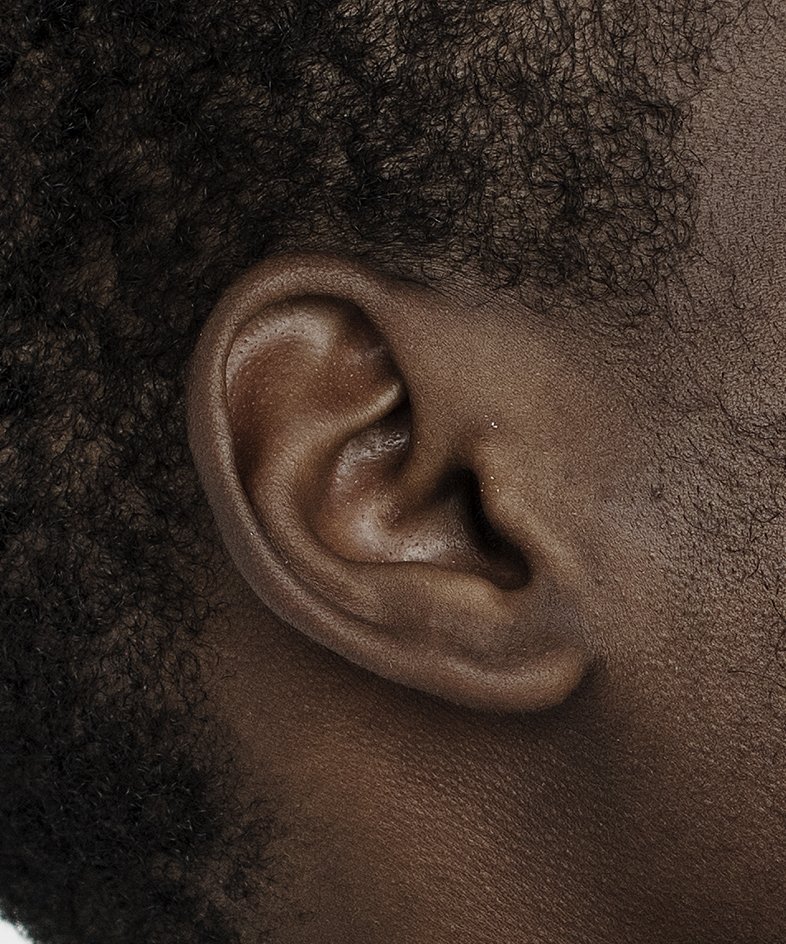
People with this type of ear shape are not blessed with great wealth or extraordinary talent, but rather with smooth interpersonal relationships and constant companionship from helpful people. In life and at work, whenever they encounter difficulties, challenges, or potential risks, there are always people who offer advance advice, kind assistance, and bridge the gaps in their path. They are warned of pitfalls others might easily fall into; they receive help from those they cannot overcome; and they are offered opportunities that others cannot obtain.

Many people envy these individuals for their exceptional luck and seemingly invincible support, but this isn’t due to luck at all, but rather a mutual attraction stemming from their character and aura. Those who protect their ears are generally pure of heart, kind, and humble in their dealings with others. They never scheme against others, never take advantage of others, and are never arrogant or domineering. When interacting with others, they possess a gentle and relaxed aura that doesn’t feel aggressive; instead, it evokes sincerity and comfort. Everyone is willing to treat sincere and kind people well, and over time, this naturally attracts helpful people from all directions and accumulates boundless blessings.
However, there are also hidden pitfalls for those who protect their ears, which can easily deplete their innate good fortune. Many people who protect their ears have a smooth and kind life, which can easily lead to dependency. They habitually take the kindness and help of others for granted and regard them as a permanent support.
Here we must remember this truth: Mountains may crumble, people may leave; all external help from benefactors is merely icing on the cake, never a permanent source of support in times of need. The kindness of others is a variable; one’s own integrity and strength are constants.
Meanwhile, people who protect their ears should pay close attention to the appearance and complexion of their ears, as complexion is more indicative of their fortune than ear shape. A rosy and translucent earlobe with a warm and lustrous sheen is an auspicious sign, indicating strong luck with benefactors, frequent opportunities, and smooth sailing in all matters. However, if the helix is dark, the earlobe is bluish, or the overall shape is dull, even if the ears are normally protected, one should act cautiously and keep a low profile to avoid being taken advantage of, used as a pawn, or getting involved in interpersonal conflicts.
What truly ensures a lifetime of good fortune is never the shape or shape of one’s ears, but rather an unwavering, kind heart and steadfast character.
Ear Thickness and Ear Canal Width
Thick Ears vs Thin Ears
The ancient Chinese text on fortune telling, “Yuan Hai Zi Ping,” uses the theory of the Five Elements and the Five Facial Features to deeply interpret the wisdom of ear shape: “Ears belong to water, and water governs wisdom. Thick ears indicate profound wisdom, while thin ears indicate superficial wisdom.” This statement accurately breaks down the wisdom pattern of different ear shapes and reveals the shortcomings and strengths of different groups of people in dealing with things.

In layman’s terms, it means that people with thick, full ears are wise, calm, and reserved. They are composed and unassuming in the face of adversity, and they understand long-term planning and steady development. They are good at long-term planning, strategic layout, and maintaining stability. They rarely make impulsive decisions or blindly follow trends, so they are more likely to achieve lasting success and steady wealth.
People with thin ears and delicate features are intelligent, quick-witted, and have a flexible mind. They are good at seizing opportunities, adapting to situations, and making breakthroughs and innovations. However, their shortcomings are also particularly obvious: they are easily impetuous, lack focus, are prone to getting carried away, are impatient for quick success, and have short attention spans. They find it difficult to cultivate their talents and persevere in the long term.
This explains why successful people who have cultivated their industries for many years, built a solid foundation, and achieved long-term wealth often have thick, full ears; while those who frequently change jobs, experience short-term bursts of success but struggle to maintain a long-term foothold often have thin, delicate ears. It’s not that people with thin ears can’t succeed, but rather that those with thin ears need three times more composure, self-discipline, and perseverance than the average person to maintain stable fortune in the long run. They need to suppress their impetuous nature and give up the desire for quick success in order to stabilize their luck and achieve lasting success.
Wide Ear Openings
Besides the thickness and fit of the ears, the width of the ear canal, or the size of the ear opening, also reveals a person’s character, talents, career suitability, and life fortune. Physiognomy states: “Wide ear canals indicate intelligence and open-mindedness; narrow ear canals indicate meticulousness and rigor.” Each ear canal shape has its own inherent qualities and auspicious or inauspicious aspects; neither is inherently superior or inferior, and both are suited to different life paths.
People with wide ear openings are broad-minded, have a magnanimous outlook, and are extremely tolerant. They are adept at accepting different viewpoints, embracing different groups of people, and integrating different resources. These people have strong empathy, excellent communication skills, and extensive networks. They can connect with high-level influential people as well as get along with ordinary people. They can get along with everyone and handle all matters smoothly.
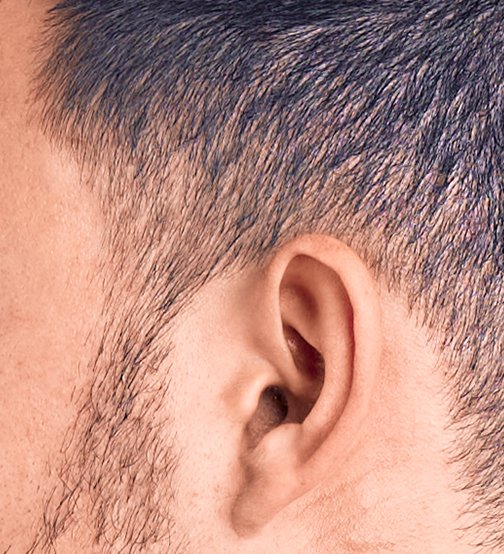
They are natural information hubs and resource integrators, perfectly suited for sales, public relations, operations, management, intermediary, and networking roles, maximizing their strengths and achieving success through opportune moments. However, their weaknesses are also prominent: they are not discreet and have weak confidentiality, making them unsuitable for work involving classified information, risk control, or confidential research. Forcing them into such roles will only lead to internal conflict and limitations in all aspects of their lives.
Narrow Ear Canals
People with narrow ear canals are the opposite. They are extremely focused, meticulous, discreet, and principled. Once they set a goal, they can concentrate deeply, undisturbed by external noise or influenced by others’ opinions. These people are very suitable for positions in finance, law, scientific research, technology, precision creation, and confidential matters. They can cultivate their expertise in one area and persevere, easily achieving outstanding results.
However, the biggest hidden danger for people with narrow ear canals is that they are prone to getting trapped in an information cocoon and developing rigid thinking. They habitually block out different viewpoints, resist new things, and cling to their existing knowledge. Over time, this limits their perspective, narrows their vision, and causes them to miss many opportunities and helpful people.
Here’s a practical piece of advice for those with narrow perspectives: Every week, deliberately find someone with completely different viewpoints, understanding, and social circle to chat with for ten minutes. During the conversation, simply listen, without arguing, defending, or judging. This small act of persistence may not show immediate results, but after three years, your mindset, cognitive horizons, and network will experience a qualitative leap, completely breaking down your self-imposed limitations.

What Ear Position and Angle Reveal
Many people don’t know that the position of the ears directly corresponds to the time zone in a person’s life when they achieve success, determining whether they are successful at a young age or achieve great things later in life.
Ears Set Above the Eyebrows
The ears are positioned higher than the eyebrows, which is considered an “early-blooming ear shape.” People with this feature are naturally gifted, highly perceptive, intelligent, and quick-witted. They achieve fame at a young age and enjoy a smooth childhood. Before the age of thirty, they are likely to achieve academic success and establish themselves in their careers, possessing achievements, opportunities, and platforms that their peers do not have. Their early fortune is excellent, and their future is bright.
However, the biggest pitfall for people with high ears is that they become complacent and arrogant when they have a smooth youth, squandering opportunities and becoming conceited. Relying on their outstanding talent and good fortune, they are unwilling to cultivate and refine their skills, blindly lying down and becoming lazy. In the end, their early advantages are gradually exhausted, and in middle age, they lack strength and their fortune declines, wasting their natural gifts.
Ears Set Below the Eyebrows
Ears positioned below the eyebrows are considered auspicious for a prosperous later life. People with this feature tend to have a slow and uneventful early life, working quietly and diligently in their youth, with few moments of brilliance or remarkable achievements. This can easily lead others to mistakenly believe that they have average talent and luck.
But their good fortune is all concentrated in the second half of their lives. After the age of forty, their fortunes take off in full force, progressing step by step. Their careers steadily rise, their wealth continues to accumulate, they receive a constant stream of helpful people, and their families are harmonious and stable. In particular, those with low-set ears and thick, rounded earlobes are typical of those who achieve great things late in life. They quietly accumulate strength and endure the lows in the first half of their lives, and then enjoy a meteoric rise and abundant blessings in the second half.
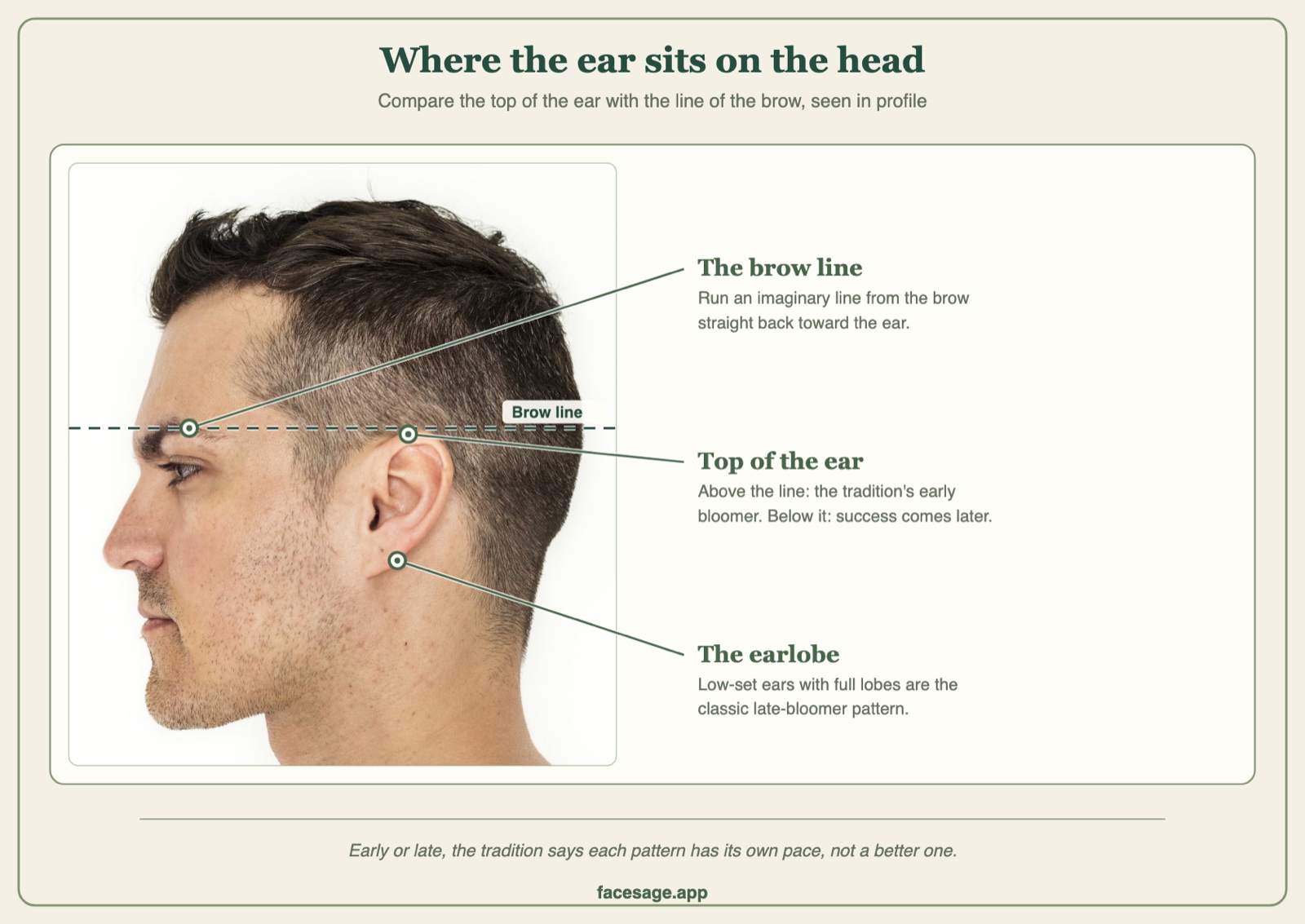
Therefore, there’s no need to compare time zones in life. Early-blooming flowers wither early, while late-ripening fruits are sweeter. Those with high-set ears should avoid arrogance and impatience, cultivate their skills diligently, and accumulate experience to preserve their early good fortune. Those with low-set ears should not be anxious, engage in internal struggles, or doubt themselves. By persisting in cultivating their skills and moving forward steadily, their blessings will quietly await them.
Forward-Pointing Ears vs Flat-Lying Ears
The shape of one’s ears can accurately determine their personality, talents, and career suitability, helping to avoid life’s conflicts and internal struggles.
People with ears that point slightly forward and outward are extroverted, cheerful, frank, and straightforward. They wear their emotions on their sleeves, are simple-minded, don’t hide their feelings, and are sincere and enthusiastic. These people are good at expressing themselves, enjoy showcasing their talents, and excel at socializing. They are very suitable for front-of-the-scenes jobs, high-profile positions, and socially-oriented careers. The more they showcase themselves, the more outstanding they become, and the more successful they are in social situations.
People whose ears are completely flattened and pulled back are calm, reserved, meticulous, and able to keep things to themselves. They are not good at showing off or being in the spotlight, but rather at quietly working hard, doing things steadily, and patiently accumulating strength. These people are suited to working behind the scenes, accumulating technical expertise, planning for the long term, and achieving success with a low profile. The more composed they are, the more fortunate they will be; the more reserved they are, the more stable they will be.
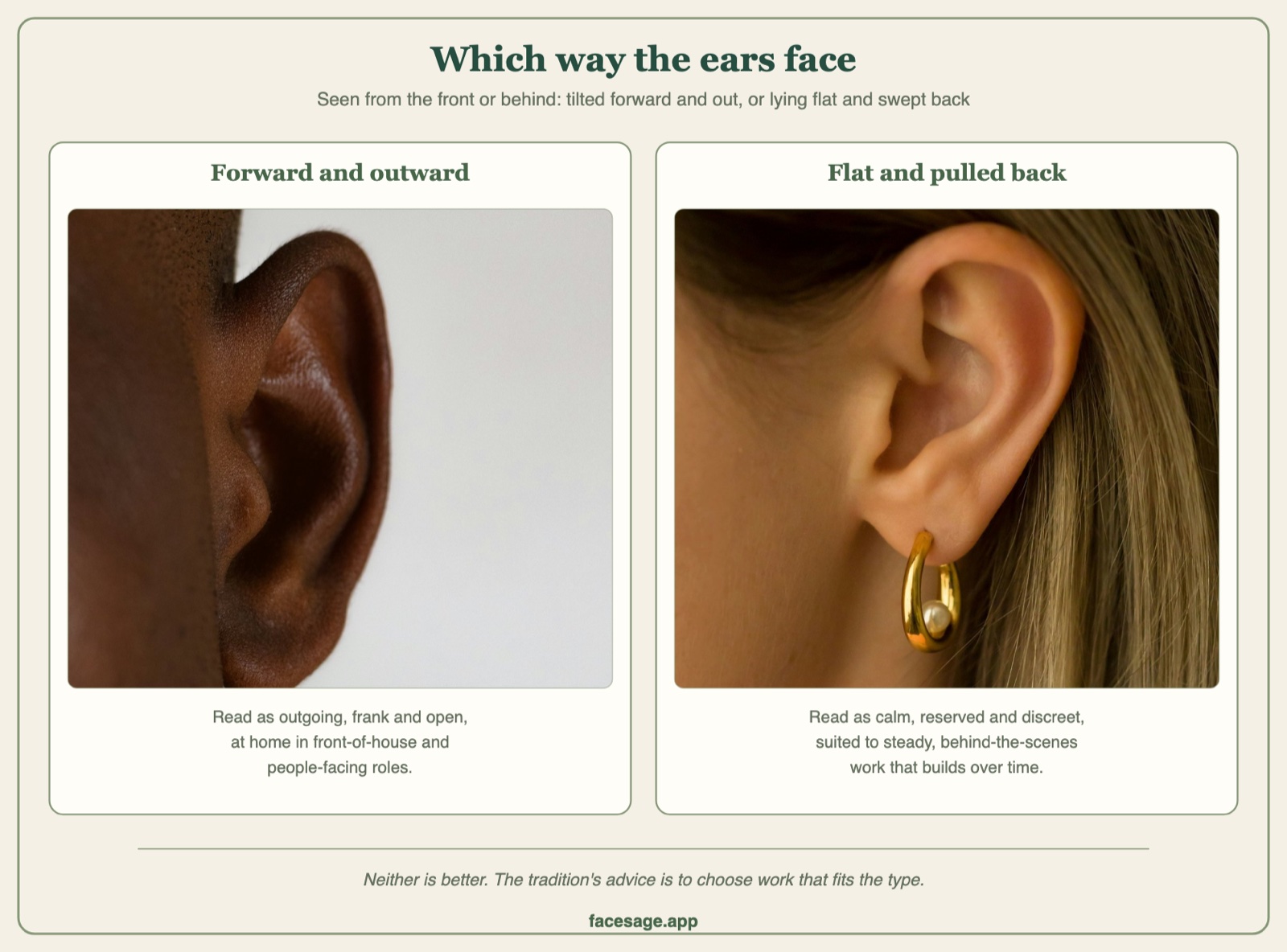
The greatest internal conflict in life is self-contradiction and going against the grain. Forcing an extroverted person to do introspective, behind-the-scenes work will lead to repression, frustration, and melancholy; forcing an introverted person to do flamboyant, high-profile work will lead to extreme anxiety and mental exhaustion. Long-term violation of one’s natural inclinations not only hinders fortune and brings setbacks, but the body will also give early warnings: tinnitus, ear blockage, hearing loss, migraines, and other problems will follow. This is the body reminding you that you are becoming someone who is not suited to you.
To cultivate good fortune and ensure smooth sailing, one must first go with the flow, find the right position, and choose a path that aligns with one’s talents and temperament. Only then can one achieve twice the result with half the effort and enjoy success year after year.
Can Your Ears Show Signs of Health Problems?
The ears can reveal not only one’s fortune, personality, and overall destiny, but also the most accurate health alarm for the human body. Many hidden health problems will show signs on the ears in advance, which is more intuitive and timely than physical examinations.
Here’s a simple, easy-to-use morning ear self-check method that takes just one minute each day. It helps you identify potential health issues and mitigate risks. Observe your ears in front of a mirror on an empty stomach in natural light; this best reflects your true physical and mental condition.

First, observe the complexion: If the skin on the earlobe is significantly whiter and paler than the face, it indicates recent deficiency of Qi and blood, insufficient vitality, overwork, and lack of sleep, leaving the body in a state of exhaustion. This can easily lead to fatigue, weakness, and weakened immunity, requiring timely rest, replenishment of Qi and blood, and a regular sleep schedule. If the skin on the earlobe is reddish, flushed, or hot, it indicates excessive liver fire, irritability, and excessive stress. This suggests a recent tendency to become inexplicably angry, emotionally unstable, and prone to interpersonal conflicts. It requires calming the mind, reducing anger, and regulating emotions.
Secondly, observe the lines: Clear vertical lines on the earlobe are commonly known as “health warning lines,” indicating unstable blood lipids and blood pressure, poor blood circulation, and an early warning sign of cardiovascular and cerebrovascular problems. People who frequently stay up late, eat greasy food, and have irregular sleep patterns are highly susceptible to these lines and need to adjust their diet and lifestyle, as well as have regular checkups. Diagonal fine lines on the earlobe are a signal of insufficient blood supply to the brain. Recently, this may indicate dizziness, insomnia, memory loss, and mental confusion. Avoid overexertion and rest promptly to prevent potential health risks.
Third, feel the texture: Gently pinch the earlobe with your thumb and forefinger to feel its elasticity. A soft, inelastic earlobe that doesn’t spring back easily indicates weak kidney energy, insufficient vital energy, aversion to cold, fatigue, and a generally weak constitution. It suggests the need to focus on keeping warm and maintaining health, avoiding overexertion. A full, elastic earlobe that springs back quickly when pinched, and is warm and smooth, indicates sufficient kidney energy, a healthy constitution, abundant vital energy, a solid foundation, and resilience.

This simple self-examination method contains no mystical gimmicks and perfectly aligns with the logic of traditional Chinese medicine’s meridian health preservation. The ear is a convergence point of meridians and acupoints throughout the body, and the earlobe corresponds to the head, face, and internal organ functions. Daily self-examination and gentle massage are the simplest micro-physical check-ups for the whole body. Long-term adherence to this method yields health benefits far exceeding those of various nourishing teas and drinks.
Protruding Ears and Outward-Turning Rims
Protruding Ears
Let’s talk about the highly recognizable protruding ears. Many people were teased when they were young for having ears that were too prominent and not delicate enough. In fact, protruding ears are a special ear shape that is very special and has very distinct advantages and disadvantages.
The core characteristics of people with prominent ears are active thinking, decisive personality, rebelliousness, and strong vitality. In their youth, they are often lively, active, mischievous, rebellious, and unrestrained, causing headaches for elders and teachers. However, after entering society, their innate advantages become fully apparent: these people have a far superior sensitivity to information, market insight, and ability to seize opportunities. While others are still waiting for instructions and passively accepting, they have already caught wind of trends, predicted developments, and seized opportunities. They are naturally suited for fields such as sales, media, intermediaries, venture capital, and new media, which require seizing information, seizing opportunities, and acting quickly.

However, people with protruding ears have a fatal flaw: they are too impatient, act too quickly, and lack self-control. They rush to act on rumors and blindly enter the market when they see a trend, making them easily misled by false trends and short-term hype, leading to impulsive decisions, hasty entry, and losses.
Here’s a lifelong rule for everyone with protruding ears to avoid pitfalls: Whenever you hear good news or encounter an exciting opportunity, don’t rush into action or make an immediate decision. Force yourself to calm down for three days. After three days, the hype will subside, the truth will emerge, and then you can assess the trend’s authenticity and decide whether to enter the market. By curbing impulsiveness and haste, your talents can truly be transformed into blessings and wealth.
An Outward-Turning Helix
Another highly distinctive ear shape is the “outward-turning helix,” which means the helix turns outward, the earlobe is clearly defined, and the outline is prominent. People with this type of ear shape are rebellious, tenacious, unwilling to admit defeat, and have top-notch resilience under pressure.
They are naturally proud, opinionated, and resilient. The more they are suppressed, the stronger they become; the more setbacks they face, the more determined they are to persevere; and the more difficult the situation, the more they break through. They can grit their teeth and persevere through pressures that others cannot withstand, low points that they cannot endure, and difficulties that they cannot overcome. They are very suitable for entrepreneurship, tackling key challenges, making technological breakthroughs, and high-pressure fields. They can break through the encirclement in adversity and achieve self-fulfillment.
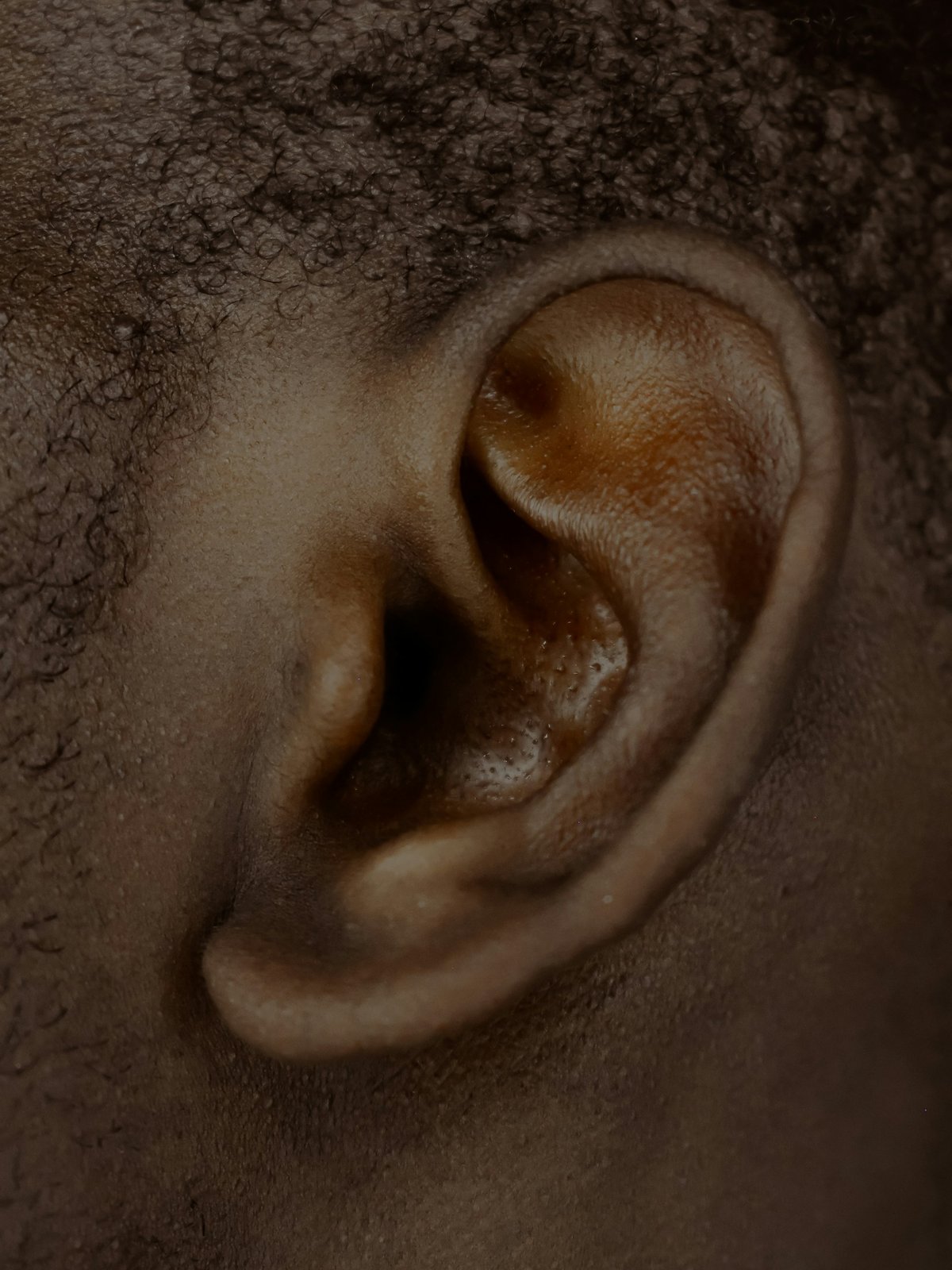
However, the biggest drain on this type of person’s life is their excessive concern for saving face, their stubbornness, and their habitual confrontation. Often, they deliberately confront and argue over trivial matters because of their unwillingness to accept defeat, their concern for saving face, and their obstinate disputes, needlessly wasting their network, time, and opportunities.
Here’s a personal tip for self-cultivation: Whenever you feel like arguing, deliberately confronting, or stubbornly competing with someone, pause for three seconds and ask yourself: Is my insistence at this moment an adherence to principles and bottom lines, or simply a matter of saving face? This one sentence can break free from obsessions, reduce internal friction, and eliminate pointless confrontations, allowing you to avoid taking half the detours in life.
What Moles on the Ear and Burning Ears Mean
Many people also pay special attention to the meaning of moles on the ears, as moles in different locations correspond to completely different fortunes and life’s advantages and disadvantages.
A Mole on the Edge of the Earlobe
A mole on the edge of the earlobe is called a “mole of windfall wealth,” indicating flexible windfall gains and short-term opportunities. People with this feature are quick-witted and adept at seizing short-term opportunities. They have excellent returns from side jobs, brokerage, and short-term trading, with money coming quickly and opportunities plentiful. However, the downside is that their wealth comes and goes easily, and they are prone to squandering it. They should remember to take profits when they are in the right place, be prudent in protecting their wealth, and avoid greed and indulgence.
A Mole in the Center of the Earlobe
A mole in the center of the earlobe is widely recognized as a lucky and auspicious mole, signifying a stable old age, constant support from benefactors, and a smooth life. People with this mole are kind-hearted, sincere, and blessed with good fortune. They accumulate wealth steadily in middle age, enjoy a comfortable and worry-free old age, harmonious relationships with their children and grandchildren, and a long and peaceful life. However, it is crucial to avoid reckless actions, frequent changes, or greedy speculation in middle age; maintaining a steady pace is essential to preserving their blessings in old age.
A Mole Hidden Inside the Ear
A mole hidden inside the ear, known as a “hidden pearl mole,” signifies innate intelligence, exceptional thinking, and high comprehension. Such individuals are quick-witted, learn rapidly, and possess remarkable talent. However, the greatest danger lies in their cleverness backfiring; excessive arrogance and shrewdness can lead to over-calculation and ultimately, losses outweighing gains. In life, they must learn to feign ignorance, remain humble, and work diligently to preserve their innate blessings.
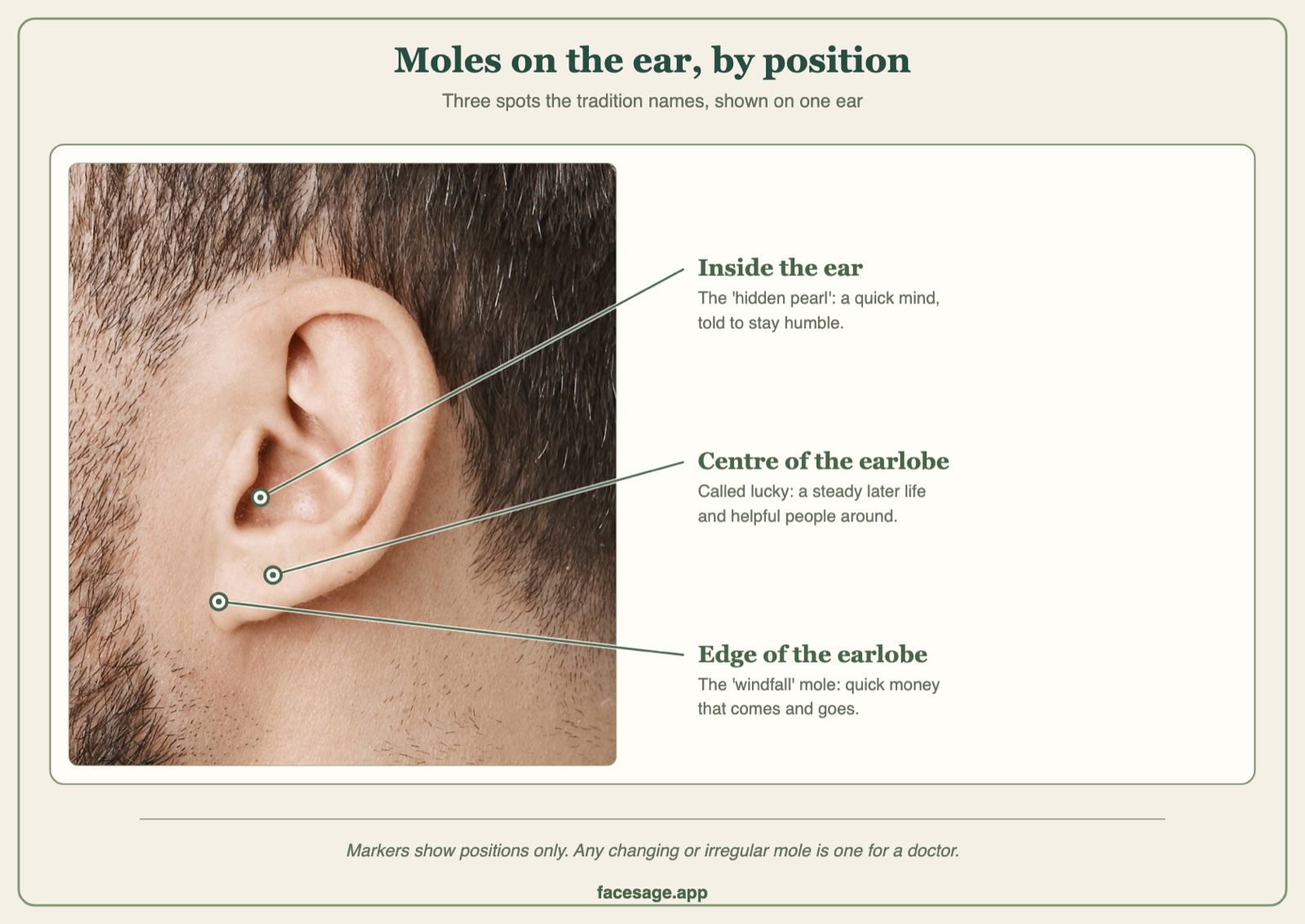
At the same time, the appearance and shape of moles are important. Black, shiny, round, and translucent moles are auspicious, indicating pure good fortune and smooth luck. Dark, turbid, dry, and raised moles are inauspicious, indicating potential problems with the corresponding internal organs, interpersonal relationships, and fortune. These moles require more attention and self-cultivation.
Burning or Itchy Ears
There’s an old saying in life: “If your left ear gets hot, someone will talk about you; if your right ear gets hot, someone will complain.” Many people are confused about whether getting hot or itchy ears is a good or bad omen, but putting aside the metaphysics, there’s a clear-cut logic to life behind it.
The ear is the core organ for hearing and corresponds to the external interpersonal magnetic field. Frequent ear burning, itching, and restlessness indicate that your social circle is actively changing; some people are concerned about and approving, some are discussing and judging, and some are watching and observing. At this time, there is no need to dwell on interpersonal relationships or speculate about people’s good or bad intentions. The most important thing to do is to calm down, do your best in the present moment, and maintain a stable life.

Those who truly care about you will cherish you even more because of your excellence; those who criticize you will fall silent because of your excellence. Instead of getting caught up in interpersonal conflicts, focus on self-improvement and steady progress. True strength is the best foundation to resolve all criticism and retain valuable connections.
Pointed Ears vs Buddha Ears
The book “Sanming Tonghui” also contains a precise summary of human nature based on ear shape: “Ears like those of an animal indicate a fierce nature; ears like those of a Buddha indicate a compassionate nature.”
The term “animal ears” refers to ears with pointed rims, outward-flaring auricles, and sharp lines. People with these ears are characterized by a strong, determined, and persistent personality. They never give up on a goal they’ve set their mind to, and they never turn back from a chosen path. They possess top-notch resilience and problem-solving abilities, making them ideal for high-pressure, long-term, and breakthrough-oriented work. However, their weaknesses include an overly rigid personality, a lack of flexibility, and a tendency to offend others. They need to learn to balance firmness with flexibility and adaptability in their dealings with others.
The term “Buddha’s ear” refers to an ear shape characterized by rounded contours, full earlobes, and soft lines. People with this ear shape are compassionate, gentle, kind, empathetic, and generous. They cannot bear to see others suffer and habitually help others. They are well-suited for service, education, public welfare, humanities, and other fields that connect with people, enjoying excellent interpersonal relationships and many helpful connections. However, their weaknesses include being too soft-hearted, easily taken advantage of, and prone to being taken advantage of. They need to learn to be kind yet assertive, and gentle yet principled.

Neither type of ear shape is inherently superior or inferior; they simply represent different life paths. A fierce, beast-like ear forced into a gentle, people-oriented role will inevitably lead to frustration and internal conflict; a compassionate, Buddha-like ear forced into a demanding, challenging role will inevitably result in hardship and setbacks. Adapting to circumstances and finding the right niche are essential for both to fully utilize their strengths and achieve their goals.
Ear Shape Is Innate, Fortune Is Cultivated
At this point, it is essential to clarify the core truth of all ear physiognomy theories: innate ear shape determines one’s endowment, while acquired character determines one’s fortune. The shape of the ear is innate, determined by parental genes; however, the color, texture, and condition of the ear are cultivated through long-term nurturing, shaped by your words, actions, thoughts, and movements.
A person who constantly schemes against others, treats people harshly, is greedy and indulgent, and is easily angered and internally drained will eventually have ears that become thinner, sharper, darker, and withered, causing their good fortune to dissipate and their luck to decline. Conversely, a person who consistently treats others sincerely, is kind and generous, works diligently, and maintains a peaceful mindset will eventually have ears that become moist, rounder, brighter, and softer, attracting helpful people and increasing their blessings.
The saying “Your appearance reflects your heart, and your fortune is created by yourself” is not just empty talk. Your mindset, character, perspective, and lifestyle will ultimately be etched on your face and reflected in your destiny. Instead of worrying about whether your ears are naturally good or bad, it’s better to cultivate your words, actions, and character.
Finally, I’d like to share three practical methods for nourishing the ears, body, and well-being that everyone can implement and stick to daily. They are simple, easy to do, and beneficial in the long run. Ordinary people can change their luck, attract blessings, and stabilize their fortune by sticking to them.
Gently Pinch Your Ears in the Morning
First, nourish your kidneys by gently pinching your ears in the morning. Every morning after washing up, gently pinch both earlobes with your thumb and forefinger, pulling and rubbing from bottom to top, 36 times each time, with light pressure until they feel slightly warm. This is the simplest way to activate the meridians in the ears and replenish your innate kidney energy. It can unblock the flow of qi and blood in the head, boost your mental state, and improve sleep quality. With long-term adherence, your complexion, physical condition, and overall well-being will steadily improve.
Practice Mindful Listening
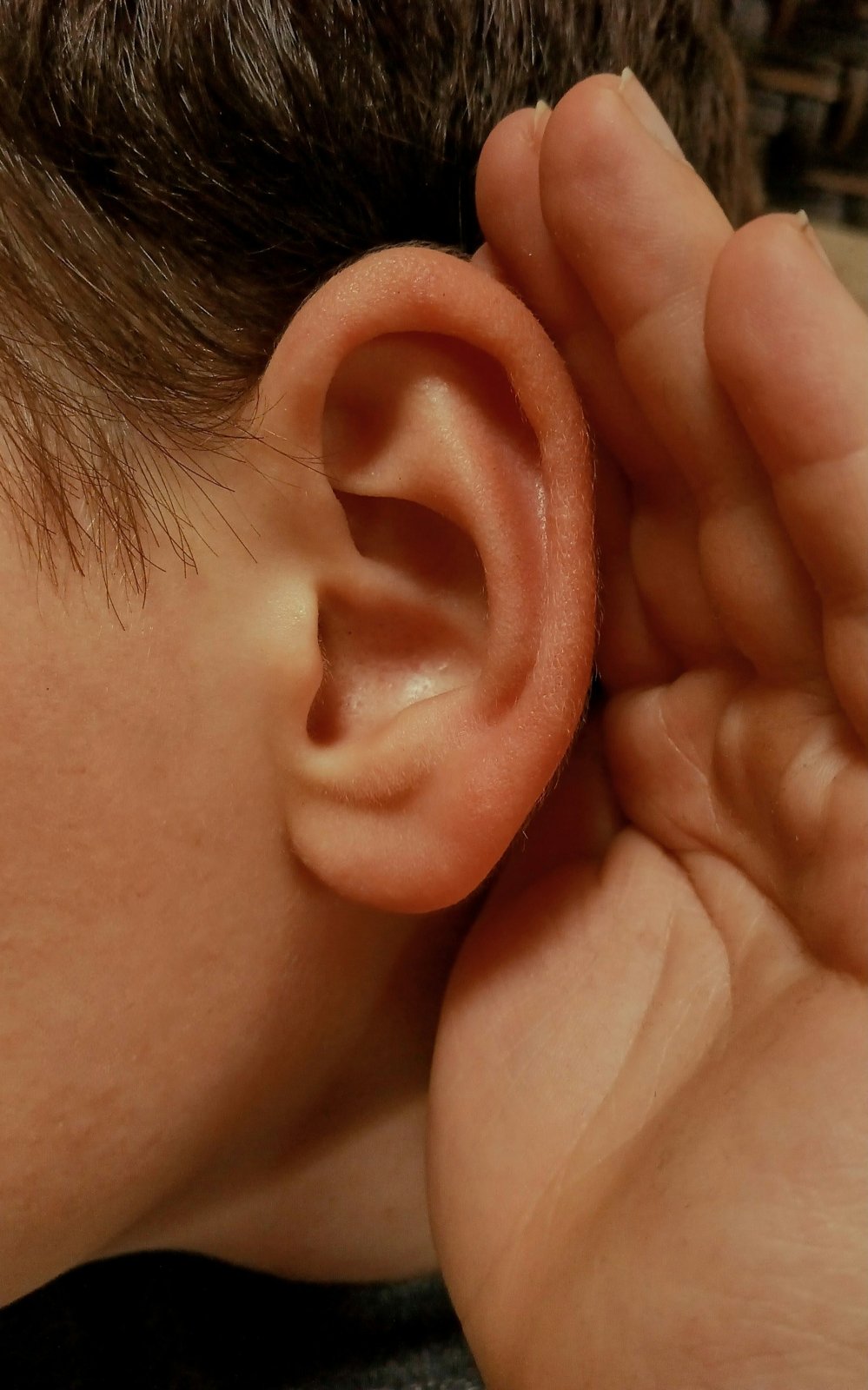
Secondly, cultivate a habit of mindful listening in daily life. Deliberately set aside ten minutes each day for listening; put down your phone, let go of your obsessions, and stop arguing. Patiently listen to others’ viewpoints, suggestions, and feelings. Those with narrow minds broaden their perspectives and break free from obsessions, while those with wide minds cultivate inner peace and maintain composure. Learning to listen well is learning to be a good person and to truly receive blessings.
Tap the Back of the Head Before Bed
Third, beat the drum before bed to nourish vital energy. Every night before bed, cover both ears with your palms to seal the ear canals, and gently tap the Fengchi acupoint on the back of your head with your fingers, 36 times as a set. This is a traditional Taoist health preservation method called “beating the heavenly drum,” which can unblock the meridians of the ears, replenish kidney qi, calm the mind and aid sleep, clear away distracting thoughts, and improve tinnitus, insomnia, physical weakness and fatigue by long-term adherence, strengthen the body’s foundation, and nourish good fortune.

Keep Your Ears Warm
In addition, everyone must take good care of keeping their ears warm. The skin of the ears is thin and delicate, lacking fat protection, making them one of the parts of the body most prone to depletion of vital energy. Neglecting ear protection during the harsh autumn and winter months, and allowing ears to be exposed to cold year-round, will quietly deplete one’s innate kidney energy and dissipate one’s good fortune. Daily ear protection, avoiding direct exposure to cold drafts, is the simplest way to safeguard one’s blessings, maintain health, and strengthen one’s luck.

Reading the Movement of the Ears
There is also a little-known advanced method of ear physiognomy: observing the movement of the ears to determine a person’s fortune.
People whose ears can twitch slightly on their own are highly alert, have extremely fast reaction speeds, and keen insight. They are naturally suited to seizing opportunities, avoiding risks, and coping with changes. They can protect themselves in chaotic times and succeed in prosperous times. People whose ears remain still and without fluctuations all year round are calm, composed, and focused. They are suitable for long-term cultivation, steady maintenance, and accumulating strength to achieve great things.
The most frightening thing in life is not having ordinary talent or average features, but being “unable to act when one should, and unable to remain still when one should.” When it’s time to listen to advice and correct mistakes, one is stubborn and headstrong; when it’s time to make independent choices, one is easily swayed and indecisive. When one’s judgment is confused, one’s mind becomes restless; when one’s mind is restless, one’s fortune dissipates and everything becomes difficult to achieve.
Final Thoughts on Ears in Face Reading
Returning to the earliest image of elders pinching ears to pray for blessings, we, in our youth, always thought it was an old-fashioned and illogical saying. It is only after half a lifetime that we slowly come to understand the good intentions of our elders. Those old sayings passed down from generation to generation are never feudal superstitions, but rather life lessons summarized by countless people through their experiences.

Large ears signify longevity, advising people to nourish their health and cherish their natural gifts; earlobes signify good fortune, advising people to be calm, manage their wealth, and be honest and upright; ears close to the head signify good listening skills, advising people to humbly accept advice and avoid detours; ears protected by benefactors signify cultivating a kind and generous heart and building good relationships.
The book “Ma Yi Shen Xiang” concludes with the statement: “The ears are the organ of hearing. If the ears are good, hearing will be clear; if the ears are bad, hearing will be impaired.”
To put it simply, the greatest blessing in life is never a perfectly shaped ear or an innate talent, but rather the ability to hear the truth, distinguish between good and evil, maintain one’s true nature, and retain good fortune. Being able to accept good advice and avoid detours, to maintain one’s true nature without greed or impatience, to treat others kindly and accumulate good karma, and to cultivate oneself and stabilize one’s mind and body, these are the best ear shapes and the greatest blessings in life.
Innate endowments are merely the foundation of life; cultivation after birth is the ultimate outcome. Ear shapes are innate, but blessings are nurtured. May we all understand our own innate qualities, cultivate our character, humbly listen to good advice, diligently perform good deeds, and steadfastly guard our true selves, cultivating abundant blessings, year after year of peace, and a worry-free life in the ordinary days.
Keep reading

What Is Face Reading and What Can It Tell You?
What Is Face Reading (Physiognomy)? Physiognomy is a folk art of fortune-telling that involves observing a person’s facial features, and strictly speaking,…
The Face Reading Chart Guide to the Twelve Palaces
“If you have a heart but no appearance, your appearance will follow your heart; if you have an appearance but no heart,…