
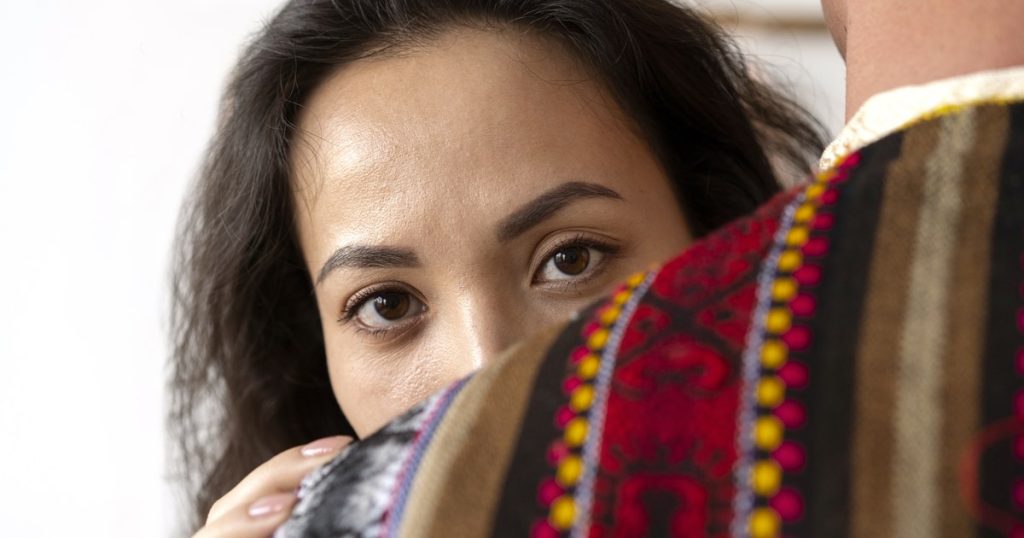
Famous sanpaku eyes are easiest to understand by looking at well-known faces, from pop stars to presidents.
Billie Eilish, Marilyn Monroe, and Diana, Princess of Wales, are familiar names in discussions of famous sanpaku eyes. Vogue Italia’s explainer includes all three; Aubrey Plaza appears in Ranker’s celebrity selection.
Their photographs offer an accessible introduction to a small, distinctive detail: white visible below or above the colored part of the eye. Learning where to look makes the term easier to understand, and opens up the cultural stories attached to it.
For the traditional meanings behind the term, what face reading says about sanpaku eyes covers the upper and lower forms and four-white eyes.
What Does Sanpaku Mean?
Sanpaku means “three whites.” Shueisha’s Japanese dictionary entry for sanpakugan describes white showing on the left, right, and below the dark central part of the eye.
The colored ring is the iris; the white outer coat is the sclera. Contemporary popular accounts use yin sanpaku for white below the iris and yang sanpaku for white above it. These terms describe the two appearances in Ranker’s explanation. The traditional claims attached to white below the iris are collected in the meaning of yin sanpaku eyes.
You say it sahn-pah-koo. The full Japanese word, sanpakugan, adds gan, which means eye.
To recognize the lower-white appearance, follow the bottom edge of the iris toward the lower eyelid. Is a strip of white visible between them? Large eyes or heavy upper lids alone don’t answer that question. Clinicians measure lower scleral show while someone looks directly ahead, as EyeWiki explains. That gives you a useful starting position for comparing portraits, too.
Famous Sanpaku Eyes: Published Examples and Photo Comparisons
Start with the documented associations below. A portrait captures one gaze and expression, so treat each as an opportunity to notice a feature rather than a permanent classification. Later photographs in the gallery broaden the comparison without requiring every face to receive the same label.
Billie Eilish
The association concerns the lower-white appearance. When exploring her portraits, begin below the iris, then look at the upper eyelid separately. This helps distinguish two details that celebrity discussions sometimes blend together: white beneath the colored ring and how much the upper lid covers it.
White above the iris has its own traditional interpretation, set out in the yang sanpaku reading.

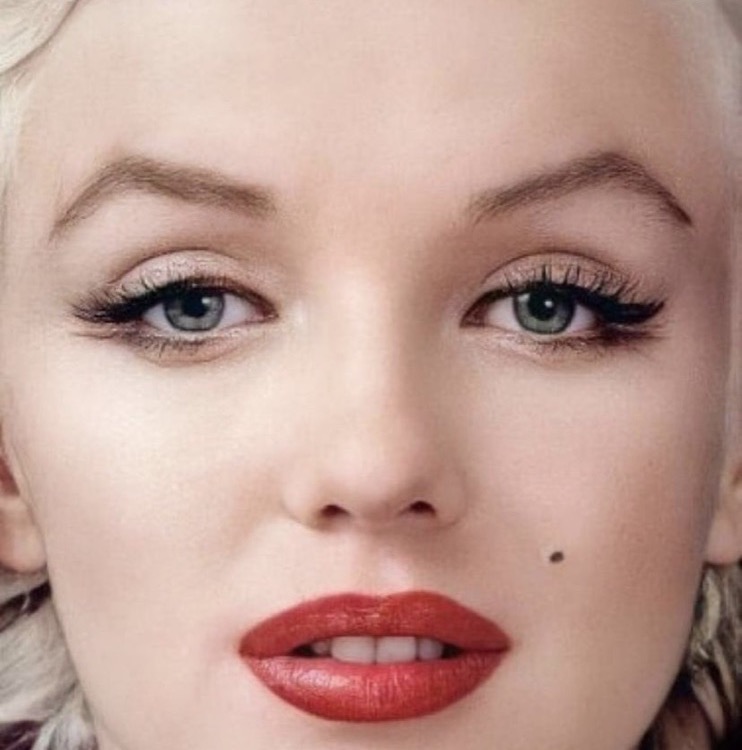
Marilyn Monroe
Monroe is a published sanpaku example. Whether she consistently showed lower white while looking straight ahead remains unconfirmed here.
For context beyond a celebrity list, the National Portrait Gallery records Cecil Beaton’s February 22, 1956 portrait. Its account describes a lively sitting at New York’s Ambassador Hotel, with movement and changing poses. That is a useful reminder to enjoy the portrait as a performance as well as a study of facial features.
John F. Kennedy
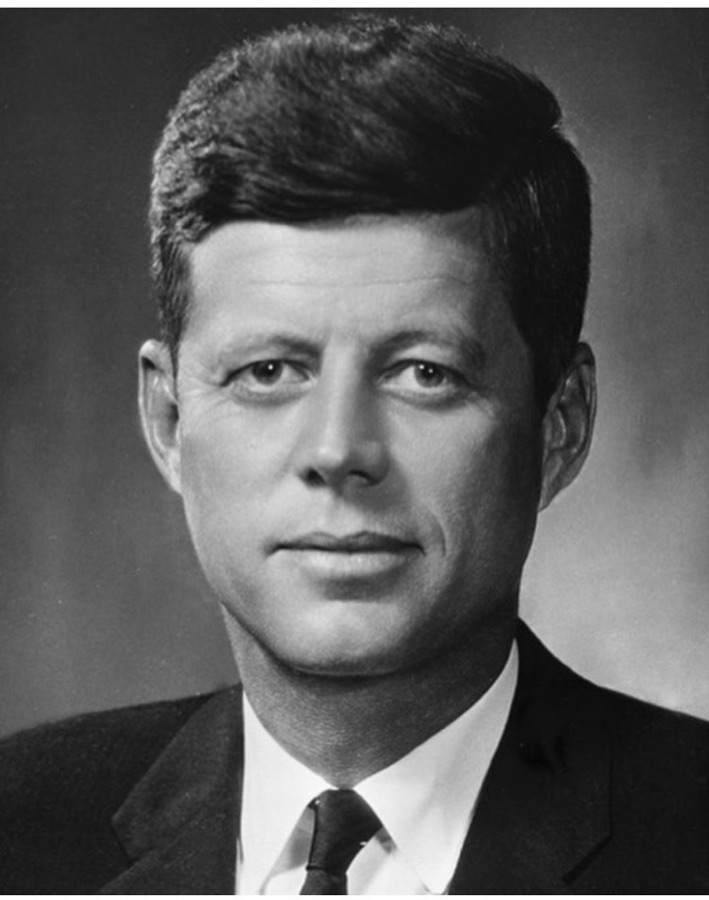
Kennedy also appears in Vogue Italia’s selection. For a portrait comparison, keep your attention on the relationship between iris and eyelid; biographical knowledge adds nothing to that visual observation.
Diana, Princess of Wales
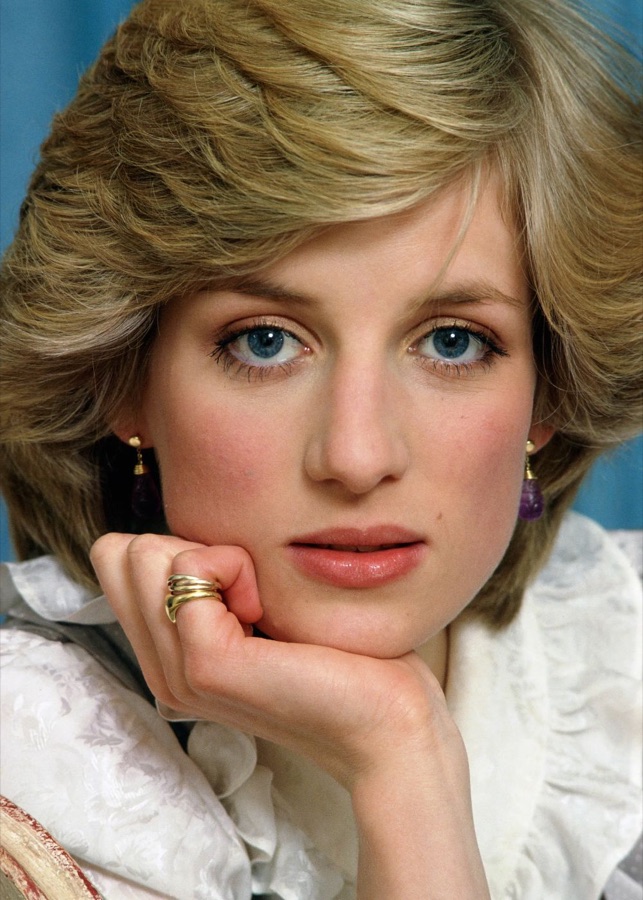
Her portraits bring an especially useful question into focus: where is the face pointing, and where are the eyes looking?
A lowered chin and an upward gaze can affect the appearance of lower white. Compare photographs with similar head positions before deciding whether their eye details match. This is a more interesting way to explore a familiar face than relying on the overall impression of a gaze.
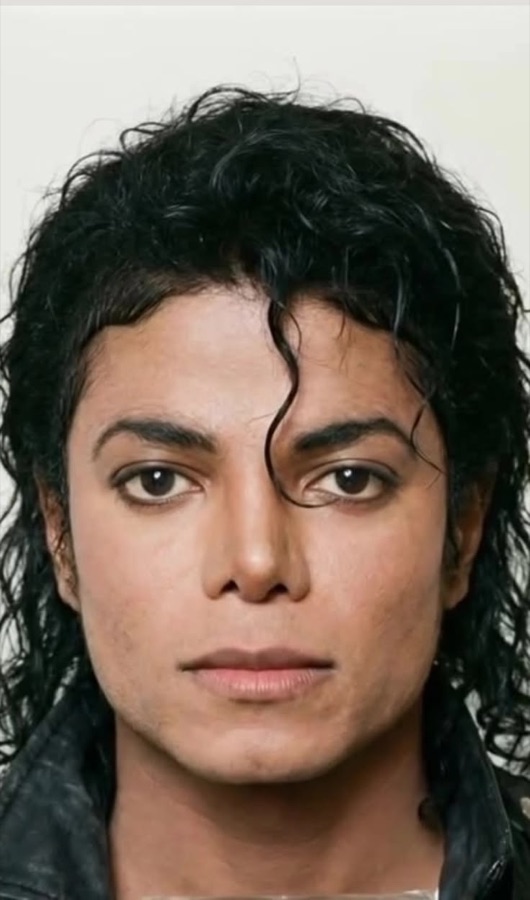
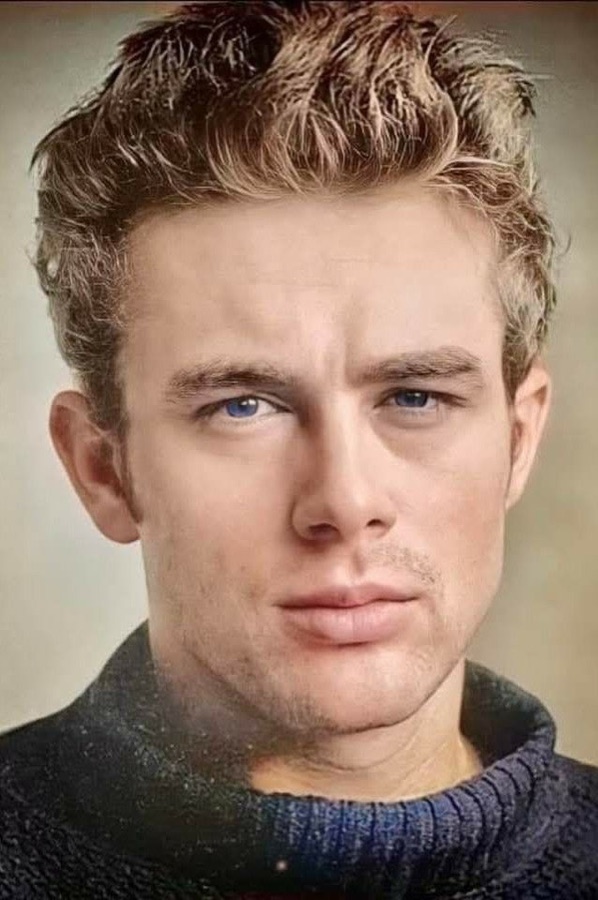
Michael Jackson and James Dean
Jackson appears in Vogue Italia’s article; Dean is named in The List’s sanpaku explainer. Their inclusion documents the label’s circulation across generations of performers. Use these portraits to continue comparing eye position and expression.
Aubrey Plaza
Focus on the visible white, rather than descriptions of Plaza’s screen persona.

More Portraits to Explore
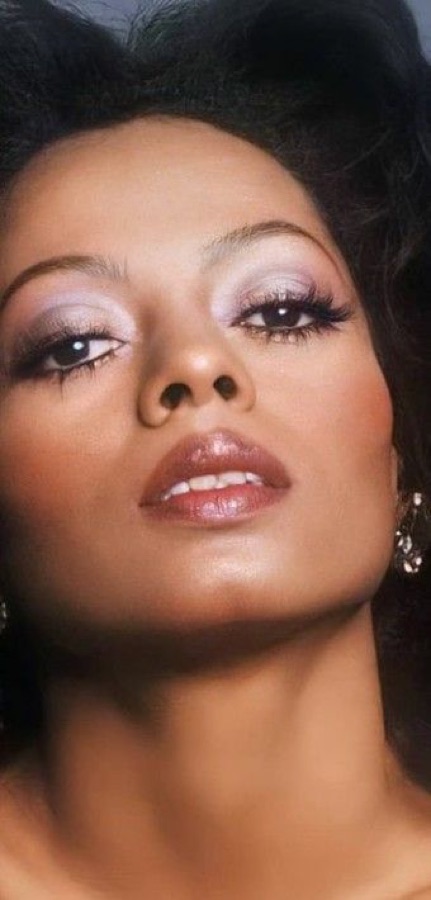
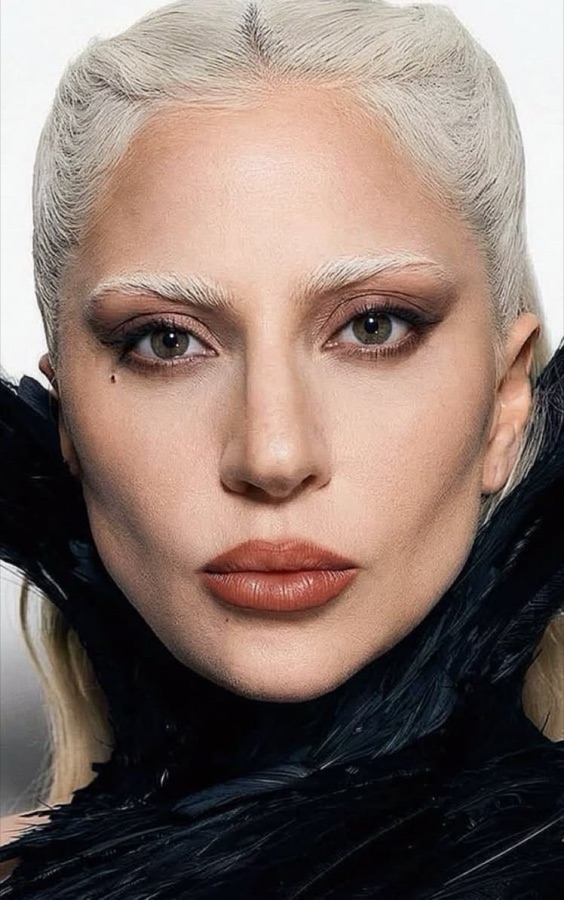
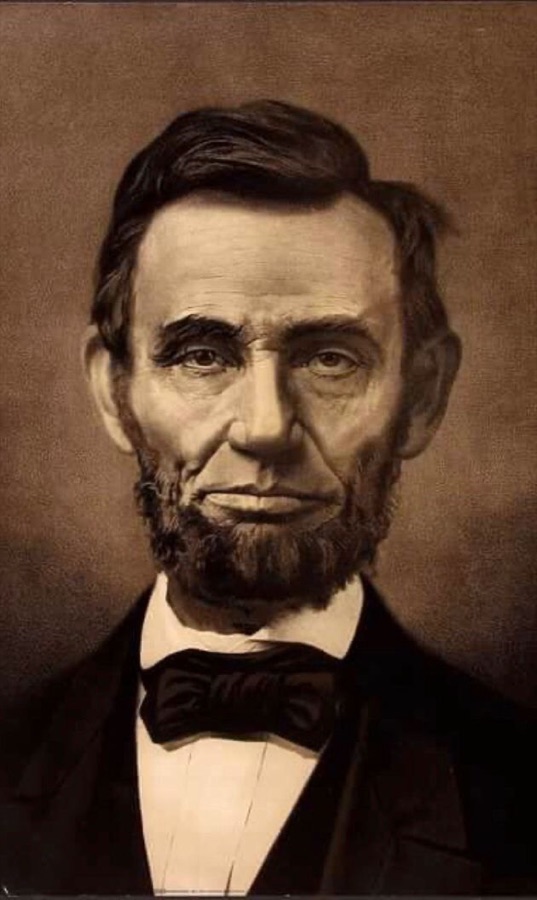
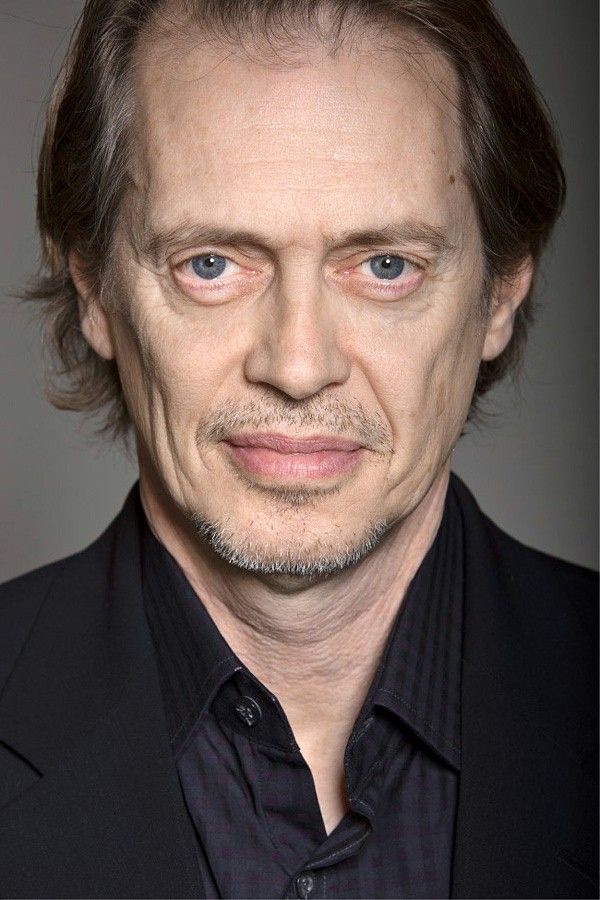
Diana Ross, Twiggy, and Olivia Rodrigo also appear in Ranker’s selection; The List names Abraham Lincoln. The following gallery includes Lady Gaga and Steve Buscemi as additional portrait comparisons, without assigning them a confirmed sanpaku classification.
Look at one eye at a time, locate the colored ring, and then check the white immediately above and below it. Leave an uncertain image undecided. You can still learn from noticing why a photograph is difficult to interpret.

Where the Traditional Meanings Come From
The visual vocabulary has a history in face reading. Shueisha’s dictionary records an unfavorable physiognomic interpretation of sanpakugan. For a wider view, Japanese face reading and its history follows the Edo-period physiognomist Mizuno Nanboku and his idea that the face records a person’s life.
George Ohsawa is a key name in its English-language publication history. You Are All Sanpaku was published by University Books in 1965, with an English version by William Dufty. Later popular explanations connect lower-white eyes with vulnerability to outside dangers and upper-white eyes with disruptive aggression, as Vogue Italia recounts.
Are Sanpaku Eyes Rare, or Connected to Fame?
There is no reliable worldwide percentage established by the sources reviewed here. A 2020 ophthalmology study examined 123 adults recruited from companions of patients at one Tehran eye hospital using convenience sampling. It studied eyelid anatomy, so its results cannot establish worldwide sanpaku prevalence or a connection with fame.
Celebrity galleries offer recognizable faces to explore. Establishing a relationship with fame would require comparable groups of famous and non-famous people.
If this small detail has sparked your curiosity about the wider vocabulary of face reading, explore a FaceSage reading. Use your own photograph to begin exploring feature interpretations, and bring your experience to the meanings that interest you.
Keep reading
What Is Face Reading? How It Ties Your Features to Fortune
Face reading, also called physiognomy, judges a person’s character and fortune from the shapes of the eyebrows, eyes, nose, mouth, ears and…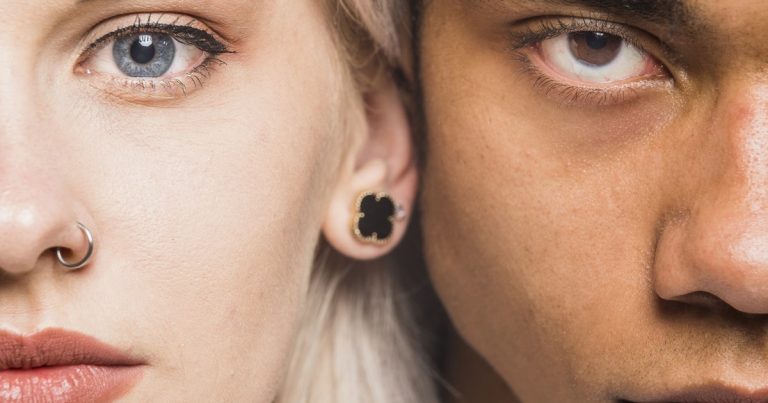
What Do Sanpaku Eyes Mean in Face Reading?
Sanpaku eyes, or three-white eyes, show white on three sides of the iris, and face reading sets them apart from four-white eyes.…