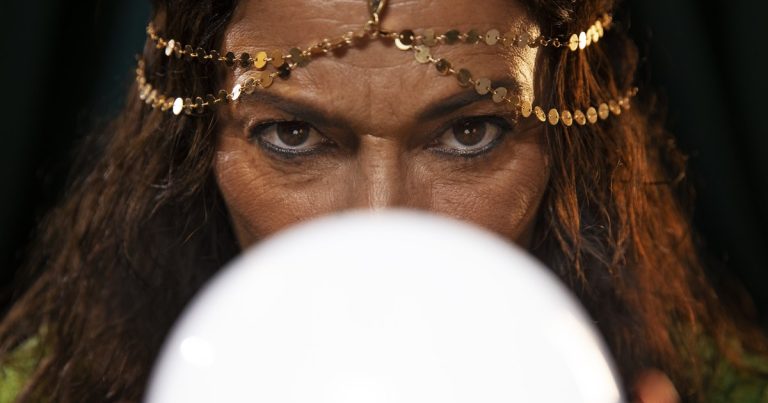

What Are Yang Sanpaku Eyes?
Yang sanpaku eyes show white above the iris and on both sides, a shape that traditional Chinese face reading interprets in its own way.
“Upper three-white eyes,” as the Chinese name suggests, refers to eyes where the iris is positioned low, with the whites of the eyes visible on the upper left and right sides. This eye shape has a unique interpretation in traditional Chinese physiognomy. It is one of the main forms of sanpaku, or three-white, eyes, where white shows on three sides of the iris.

What Yang Sanpaku Eyes Traditionally Mean
Personality
In terms of personality, people with “three-white eyes” (eyes with the whites showing above the iris) are generally considered to be treacherous and ruthless, and should not be easily provoked. They may have a strong desire for control and revenge, so extra caution is needed when interacting with them. The main types of sanpaku eyes compares this upper form with the lower one, including how each is said to affect relationships and career.
Money and Stability
In terms of wealth, people with “three-white eyes” may have good fortune in their youth, but may face decline in their later years. This may suggest that the wealth and resources they accumulate in their youth may be lost in their later years for various reasons.
Career
In terms of career, people with three-white eyes experience significant ups and downs in their careers, making stability difficult. They may experience multiple ups and downs in the workplace, requiring them to constantly adjust their strategies and directions.
Marriage and Family
In terms of marriage, people with “three-white eyes” may face a fate of bringing bad luck to their spouse and children, leading to an unhappy married life.
This may be related to their sinister and vengeful nature, making it difficult for them to maintain a harmonious relationship in marriage. The opposite pattern, with white below the iris, is covered in yin sanpaku eyes and their meaning, which includes separate marriage claims for women and men.
The word sanpaku comes from Japanese face reading, where Mizuno Nanboku’s view of the face treats it as a record of a person’s life and character.
Keep reading
What Is Face Reading? How It Ties Your Features to Fortune
Face reading, also called physiognomy, judges a person’s character and fortune from the shapes of the eyebrows, eyes, nose, mouth, ears and…
What Do Sanpaku Eyes Mean in Face Reading?
Sanpaku eyes, or three-white eyes, show white on three sides of the iris, and face reading sets them apart from four-white eyes.…