
As the saying goes, “Your appearance reflects your heart, and your circumstances change with your mind.” This saying, passed down for thousands of years, reveals a simple truth: a person’s inner world and life experiences often unconsciously leave their mark on their face and body. So, can we glimpse some of the mysteries of fate by observing these subtle “marks”? This is precisely an interesting topic in “Life Informatics” that we will explore today.
What Do Face Lines Mean in Face Fortune Telling?
In the vast tapestry of traditional Chinese culture, whether it’s the profound Eight Characters of Destiny, the agile Six Lines divination, the Feng Shui layout emphasizing the gathering and retaining of Qi, or even the intuitive art of physiognomy, all place great importance on one phenomenon: “details that are not in harmony with the overall picture.” These seemingly insignificant “flaws” or “minor features” are often the key to discerning good or bad fortune. Next, let’s take several important “palaces” on the face as examples, combining them with the core principle of “horizontal lines fear vertical lines, and vertical lines fear horizontal lines,” to delve into and see what “life information” concerning destiny these subtle lines convey.
Lines on the Forehead
In physiognomy, the forehead is known as the “Heavenly Court,” symbolizing a person’s early fortune, wisdom, talent, career prospects, and affinity with parents and elders. An ideal forehead should be broad, flat, smooth, and flawless, like a clear and open sky, indicating that the person will achieve early success, have quick thinking, and enjoy a prosperous official career.
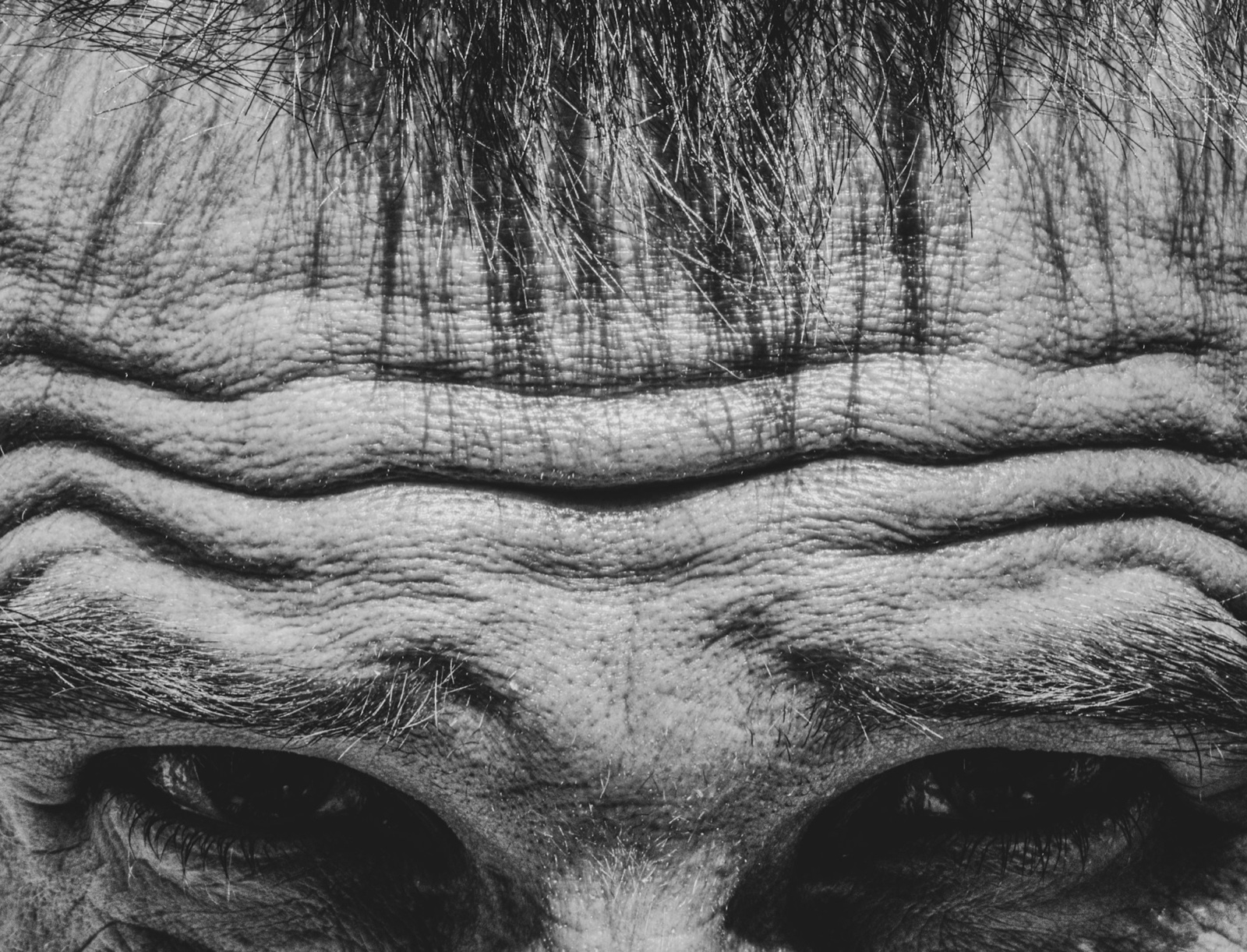
From a morphological perspective, the width (horizontal) of a normal forehead is significantly greater than its height (vertical). Therefore, as time goes by, the appearance of several parallel horizontal lines on the forehead, commonly known as “forehead wrinkles,” is a perfectly normal physiological phenomenon. Especially after the age of forty, when life experience has increased, if the forehead remains smooth and without a single line, it may be considered by physiognomists as a “peach blossom sign,” suggesting a rich emotional world and strong attraction to the opposite sex.
Vertical Lines on the Forehead
However, if vertical lines suddenly appear on this otherwise horizontally expansive “heavenly court,” then it becomes a “disharmonious detail.” These vertical lines, like a crack in a clear sky, require our utmost attention. Depending on their location, depth, and length, their meaning can vary slightly.
For example, if a vertical line appears in the center of the forehead, near the glabella, resembling a hanging needle, it is called a “hanging needle line.” People with this line are usually straightforward, stubborn, prone to overthinking, and easily get stuck on minor details. In terms of fortune, it may hinder career advancement, causing bottlenecks in business development, or leading to strained relationships with superiors and colleagues. It may also indicate a somewhat weak connection with the father, or the father’s poor health.
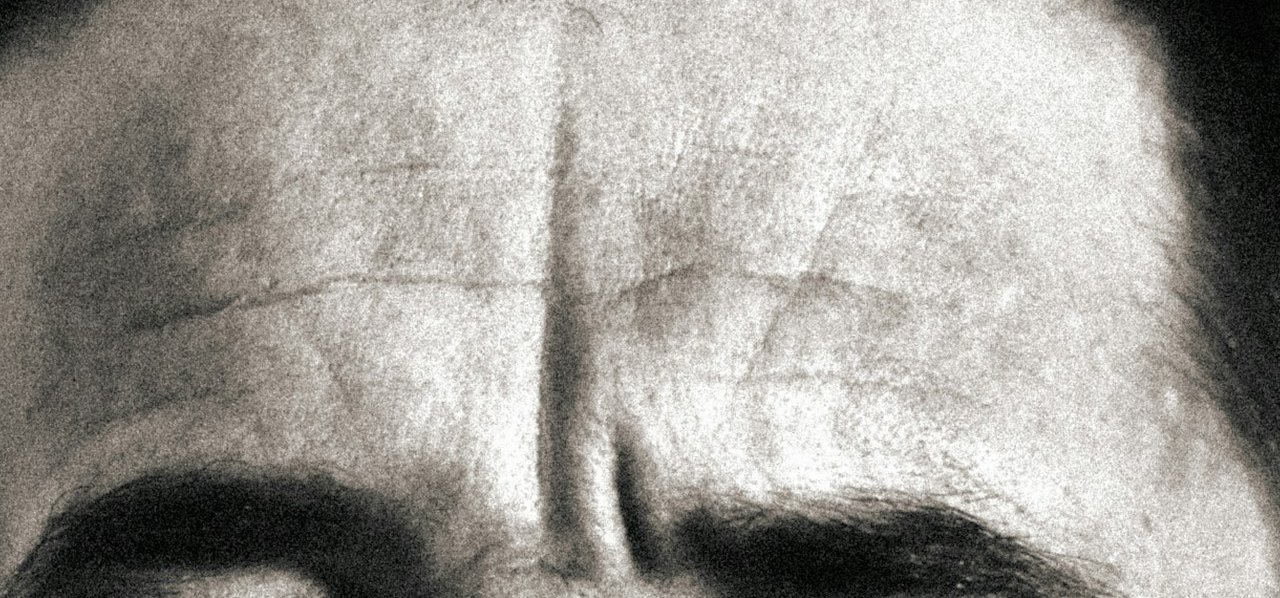
If vertical lines appear on both sides of the forehead, near the “migration palace,” it may affect one’s travel, seeking wealth far away, or immigration, making it easy to encounter setbacks in foreign lands. Furthermore, physiognomy theory suggests that vertical lines on the forehead may indirectly reflect certain flaws in the ancestral feng shui or the open space in front of the house, such as straight roads, sharp corners of tall buildings pointing towards the house, or nearby deep ditches, high-voltage power towers, and other unfavorable formations.
In short, vertical lines on the forehead, regardless of their specific shape, disrupt the harmonious horizontal growth pattern of the forehead. It’s like a vertical dam suddenly appearing in a gently flowing river; it inevitably disturbs the flow and causes ripples. Therefore, when interpreting forehead information, pay close attention to these “uninvited guests”vertical lines.
Reading the Whole Forehead
Of course, physiognomy should not be judged in isolation; we also need to consider the overall complexion of the forehead, bone structure, and characteristics of other parts of the face for a comprehensive assessment. However, the principle of “horizontal lines fear vertical lines” is particularly evident in the forehead area.
Lines Between the Eyebrows
The glabella, located between the eyebrows and above the bridge of the nose, is a crucial area in face reading, often referred to as the “Palace of Destiny.” As the name suggests, the “Palace of Destiny” relates to a person’s overall fortune, character, health, and current luck. An ideal glabella should be smooth, bright, and flawless, without any sunken areas or blemishes, and have a yellowish-brown or slightly reddish complexion, resembling a polished mirror.
From a morphological perspective, although the glabella area is not large, we can consider it as an area that is approximately circular or square. According to the principle of “horizontal lines fear vertical lines, and vertical lines fear horizontal lines,” and given the extremely high requirement for the glabella to be “smooth and full,” the appearance of horizontal or vertical lines in this area, as long as there are obvious lines breaking through it, is usually considered inauspicious.
Vertical Lines Between the Eyebrows
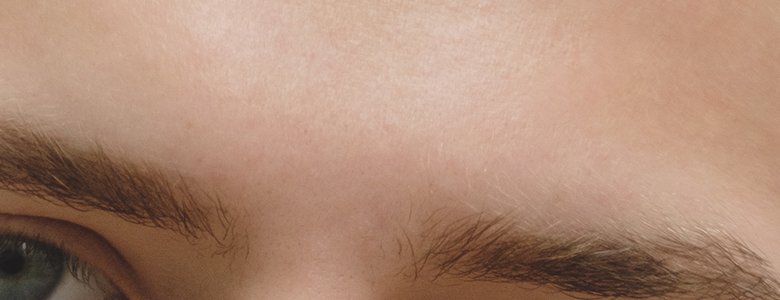
If a deep vertical line appears between the eyebrows, the most common one is an extension of the “hanging needle line” mentioned earlier. If this vertical line runs straight down from the forehead and breaks through the glabella, its negative impact will be more significant. This not only indicates that the person has an extreme and stubborn personality and many ups and downs in their career, but may also have an adverse effect on their marriage, relationships with family, and even suggest that they may have some kind of underlying chronic illness or accidental disaster risk.
Horizontal and Crisscrossing Lines Between the Eyebrows
If horizontal lines appear between the eyebrows, such as one or more horizontal lines cutting across the glabella, this is also a sign of disharmony. This often indicates that the person’s recent fortune is not smooth, their mind is restless, and they are prone to encountering obstacles and troubles, especially in career development and interpersonal relationships, where they may find it difficult to move forward. If the horizontal lines are deep and numerous, they should pay more attention to their health, especially cardiovascular and cerebrovascular issues.
Furthermore, it is considered unlucky for the glabella to have intricate, interwoven lines such as the “eight-character lines” or the “river-shaped lines.” These lines are believed to disrupt the original clarity of the glabella, making it appear as if a “bright mirror is covered in dust.” Ancient people believed that a person with inauspicious lines breaking through the glabella was prone to overthinking, lacked open-mindedness, easily got into arguments, and was likely to miss opportunities.
Therefore, the area between the eyebrows (glabella) is extremely sensitive to any lines or wrinkles. The appearance of any lines, whether horizontal or vertical, requires our serious attention. We should reflect on our recent lifestyle, adjust our mindset, and be mindful of any related fortune trends. Maintaining a clear and bright glabella is not only about aesthetics but also about our overall energy, spirit, and fortune.
Lines Around the Eyes
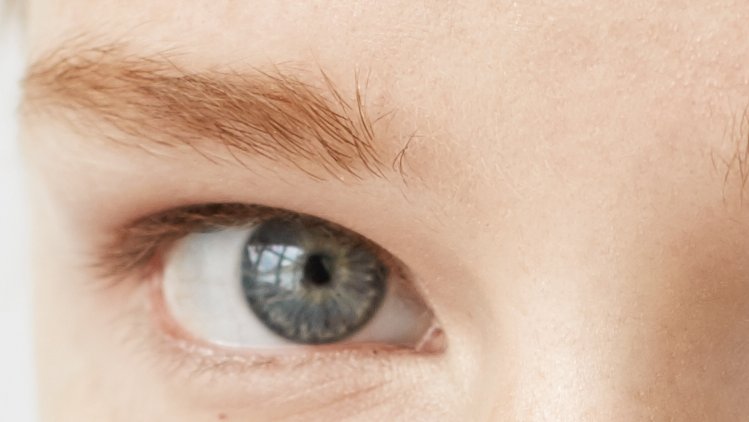
The eyes, often called “the windows to the soul,” are an important part of physiognomy for observing a person’s wisdom, temperament, emotions, and fortune. It’s undeniable that the eyes are horizontally oriented organs. Therefore, small lines around the eyes that follow their horizontal shape usually don’t pose a significant threat to overall fortune.
The Palaces Around the Eyes
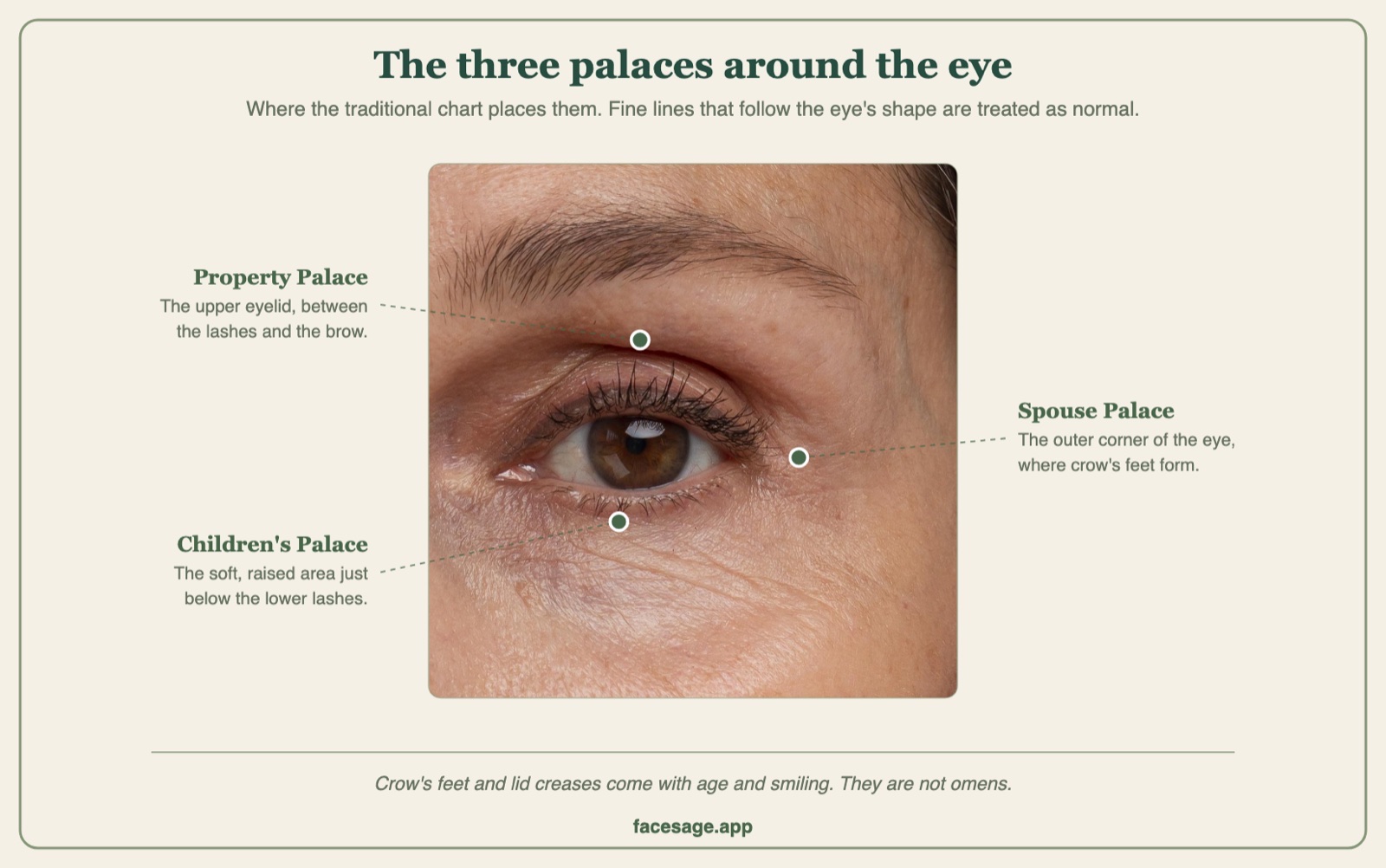
For example, the “Property Palace” (upper eyelid) above the eye represents a person’s family property, land, and living environment. As we age, the skin of the upper eyelid loosens, and some fine horizontal lines appear, which is a natural phenomenon and there is no need to worry too much.
The “Wife/Concubine Palace” (also known as the “Spouse Palace” or “Adultery Gate”) at the outer corner of the eye, where crow’s feet appear, governs marriage, emotions, and marital relationships. After middle age, a few faint, radiating horizontal lines appear in this area, commonly known as “crow’s feet.” As long as they are not too deep or messy, they are considered normal. Some even believe that moderate crow’s feet actually symbolize rich emotional experiences and deep marital affection.
The “Children’s Palace” (also known as the “Tear Hall” or “Silkworm”), located below the lower eyelid, is a raised area resembling a silkworm. It represents one’s fortune with children, relationships with younger generations, and personal energy and charm. If there are fine horizontal lines in this area, such as “Hidden Virtue Lines” (also known as “Hidden Good Deeds Lines”), arranged in a net-like or horizontal pattern, and the complexion is bright and clear, it is considered an auspicious sign of accumulating hidden virtues and bringing blessings to future generations.
Vertical Lines Around the Eyes
However, vertical or diagonal lines that run counter to the shape of the eye are particularly undesirable in the area around the eyes. Whether these vertical lines are natural or acquired due to injury or illness, their appearance can be directly interpreted as inauspiciousness based on the location of the line.
If obvious vertical lines or scars appear in the Property Palace, it may indicate unrest in the home, discord with family members, or disputes in the purchase of real estate or land, and may even lead to the risk of bankruptcy.
If the spouse palace is broken by vertical lines or scars, it is extremely unfavorable for marriage and relationships. Men may experience a weak relationship with their spouse, frequent quarrels, and even the risk of divorce; women may suffer repeated setbacks in relationships and find it difficult to find a good match.
If vertical lines, malignant moles, or scars appear in the children’s palace, it may indicate poor fortune regarding children, such as few children, a distant relationship with children, or difficulties with children’s health or studies, requiring much worry and effort from parents. For women, it may also suggest an unsuccessful childbirth process or potential gynecological problems.
In addition, vertical lines extending downwards from the inner corner of the eye may affect early life fortune or indicate a weak bond with siblings. Vertical blood vessels or spots on the whites of the eyes also suggest potential issues with liver and gallbladder function or cardiovascular health.
In short, the eyes, as the “inspectors,” are at their best when they are clear, bright, and full of life. The surrounding “walls”the Property Palace, the Spouse Palace, and the Children Palace, are also best when they are smooth and lustrous. Once there are rebellious vertical or diagonal lines encroaching, it’s like a breach has appeared in the city walls, and the areas they protect are naturally easily impacted.
Lines on the Nose
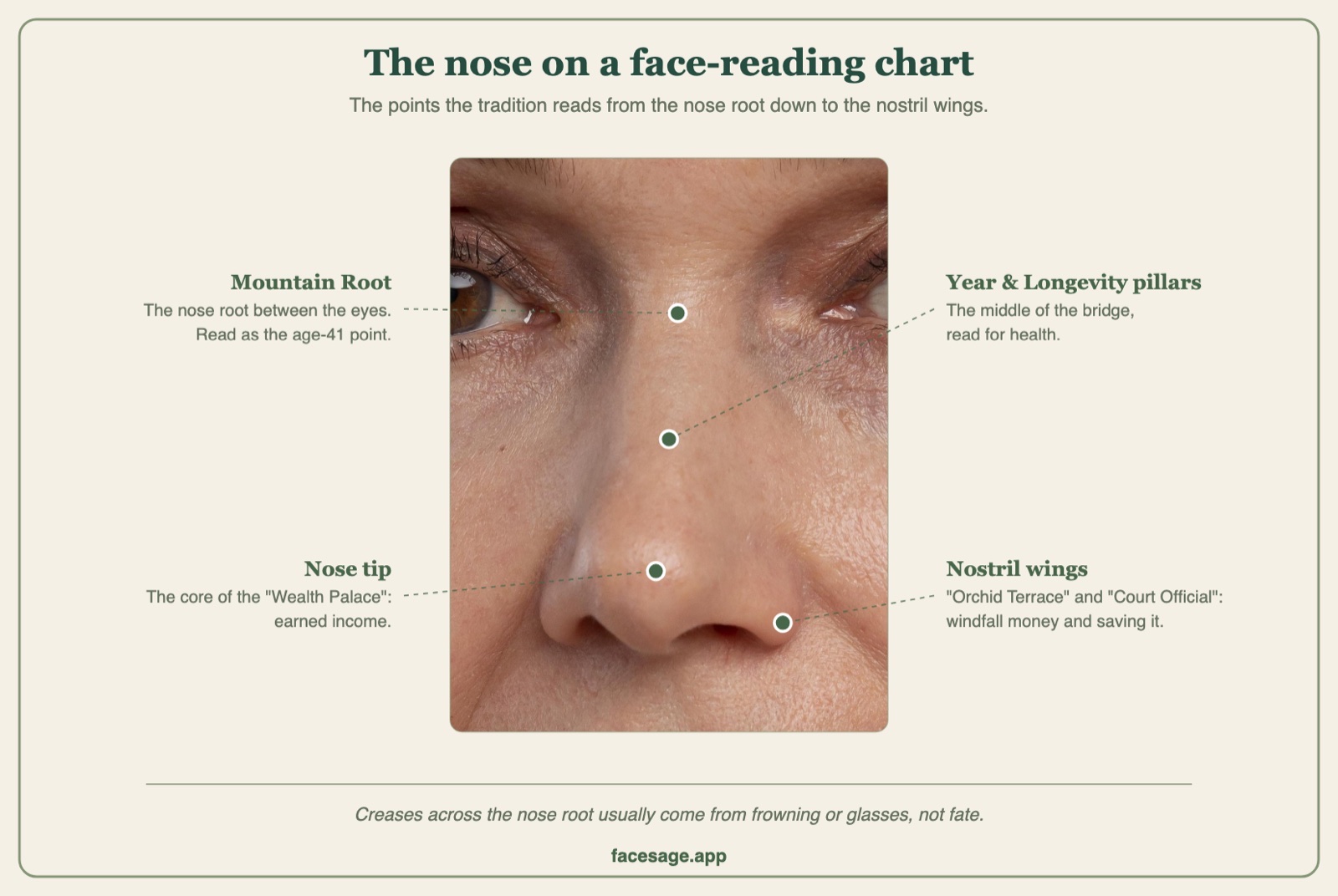
In physiognomy, the nose holds a pivotal position, known as the “Palace of Wealth” because it directly relates to a person’s fortune, career achievements, self-confidence, and self-esteem. Meanwhile, the root of the nose, the area between the eyes known as the “Root of the Mountain,” is called the “Palace of Illness,” closely related to an individual’s health, disease resistance, and fortune in middle age.
The nose is a very typical vertically growing organ, starting from below the glabella on the forehead and extending downwards to above the philtrum. I believe everyone agrees on this. So, according to our core logic of “horizontal lines fear vertical lines, and vertical lines fear horizontal lines,” what does the nose fear most? The answer is obvious, horizontal lines.
Horizontal Lines on the Bridge of the Nose
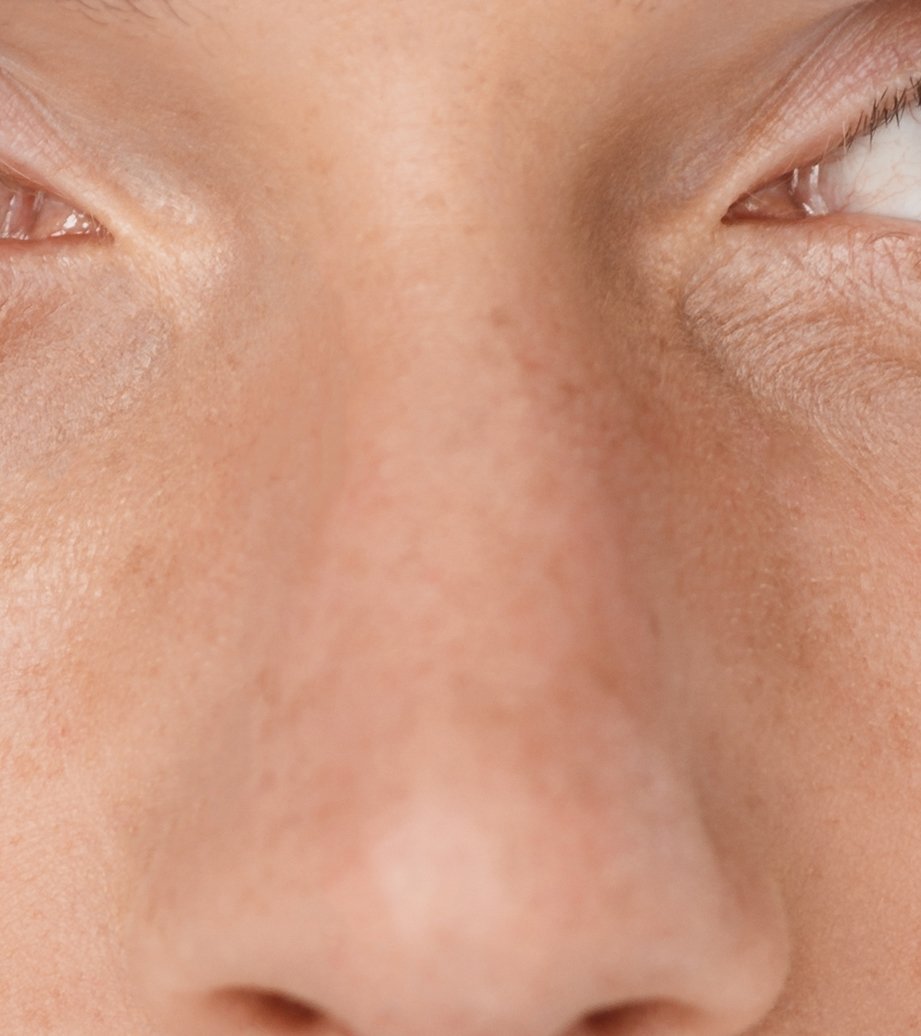
If one or more clearly visible horizontal lines appear on the bridge of the nose, especially at the root of the nose, this constitutes what physiognomy calls “a wounded root of the nose” or “a broken root of the nose.” This is a very undesirable physiognomic feature, usually indicating that the person may encounter a major upheaval or test in life around the age of forty (the specific age varies depending on the location of the line in the annual fortune; the root of the nose represents the age of 41).
These fluctuations may manifest in health, such as sudden acute illness, exacerbation of chronic diseases, or accidental injuries leading to physical damage. They may also affect career, such as major setbacks at work, investment failures, job changes, or company closures, resulting in financial losses and a career slump. Furthermore, they may impact marriage and family, such as rifts in the marital relationship or family upheavals.
Horizontal lines at the root of the nose resemble a ravine suddenly appearing on a straight, upward-climbing mountain path, interrupting the ascent and hindering progress. Therefore, those with this feature often need to be particularly careful in middle age, acting prudently and conservatively, avoiding impulsive actions, and strengthening their physical exercise and undergoing regular checkups to prevent potential problems.
Besides the root of the nose, horizontal lines on other parts of the nose, such as the “year point” and “longevity point” (collectively referred to as the extension of the “Illness Palace”), are also detrimental to health and fortune. The tip of the nose (“nose tip”) is the core of the Wealth Palace, representing regular income. Horizontal lines here may indicate obstructed wealth and a tendency to lose money. The wings of the nose (“orchid platform,” “court official”) represent windfall gains and the ability to retain wealth. Horizontal lines encroaching on these areas also indicate that wealth comes and goes easily, making it difficult to accumulate.
Of course, if very fine, inconspicuous horizontal lines occasionally appear on the nose, and the complexion is good and the nose is full and well-shaped, there is no need to worry too much. However, if the horizontal lines are deep, clear, and dark in color, then they must be taken seriously.
Vertical Lines on the Nose
In contrast, vertical lines on the nose, while not ideal (because the nose is already quite “vertical,” adding more vertical lines might make it appear too sharp and isolated, which could be detrimental to interpersonal relationships), usually have a less severe and direct negative impact than horizontal lines.
Lines on the Philtrum
The philtrum, a shallow vertical groove located below the tip of the nose and above the upper lip, is a very important feature in physiognomy. It connects the nose (representing wealth and illness) to the mouth (representing income and expenditure), serving as a transitional area between the middle and lower parts of the face. The philtrum is primarily related to a person’s fertility, children’s fortune, vitality, later lifespan, and overall lifespan.
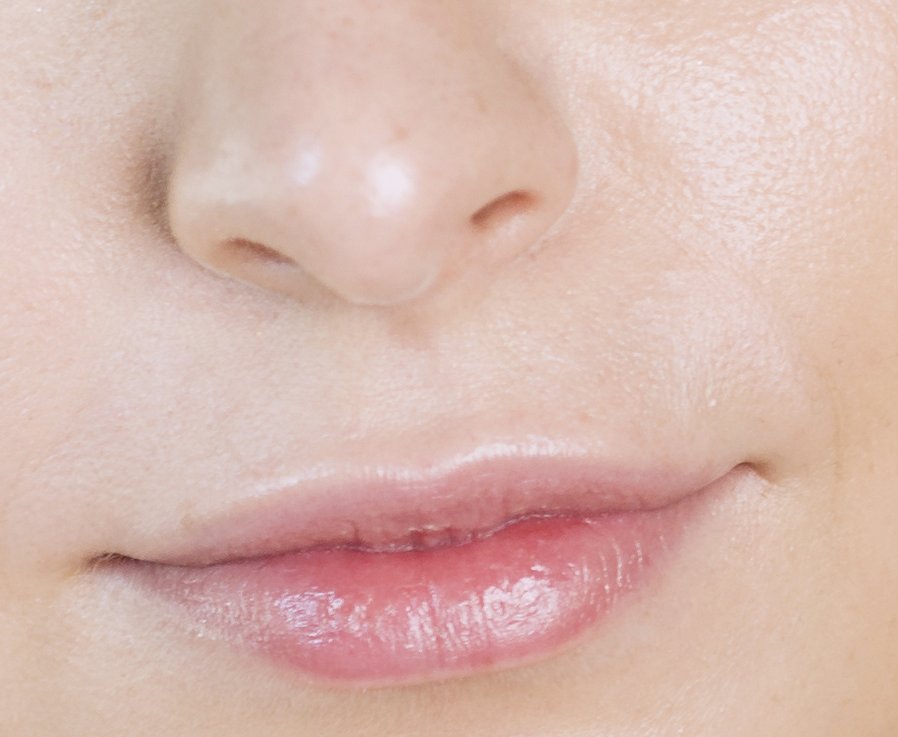
From a morphological perspective, the philtrum is clearly a vertical groove. Therefore, according to the principle of “horizontal lines fear vertical lines, and vertical lines fear horizontal lines,” the most undesirable feature for this area is naturally the appearance of horizontal lines.
If clear horizontal lines appear on the philtrum, whether single or multiple, it is considered an unlucky sign. These horizontal lines are like dams built in the river of life, hindering the smooth flow of qi and blood, and cutting off the continuation of fortune.
Its main impacts are reflected in the following aspects:
Fertility
The philtrum is closely related to the reproductive system. Horizontal lines on the philtrum, especially in women, may indicate weak fertility, difficulty conceiving, or a higher risk of miscarriage or difficult labor. In men, it may suggest a weak connection with children or children who are weak and sickly.
Fortune in Old Age
The philtrum is also related to a person’s later years and lifespan. Horizontal lines on the philtrum often indicate a potentially lonely old age, lack of care and support from children, or poor health, making it difficult to enjoy one’s later years. In severe cases, it may even affect lifespan.
Personality and Fortune
People with horizontal lines on their philtrum may be impatient, lack perseverance, or have weak willpower, making them prone to giving up halfway. In terms of fortune, they are also likely to encounter unexpected obstacles and troubles, making it difficult to implement their plans smoothly.
Vertical Lines and the Ideal Philtrum
So, is it good or bad to have vertical lines on the philtrum? Actually, it’s not ideal. Although the philtrum is naturally vertical, adding vertical lines can make it appear too narrow, deep, or poorly shaped. This is partly due to the influence of the horizontally growing mouth below. Vertical lines on the philtrum may also suggest some difficulties with children or a slightly withdrawn personality. However, overall, the negative impact is usually not as direct or severe as horizontal lines.
An ideal philtrum should be clear, deep, and wide, narrow at the top and wide at the bottom, like a water droplet, without any moles, scars, or blemishes. Such a philtrum symbolizes vigorous vitality, filial children, and long life.
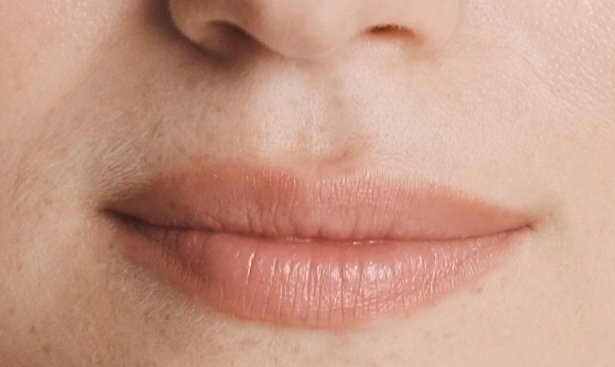
Therefore, when observing the philtrum, be sure to pay attention to whether there are horizontal lines “blocking the way”. Once found, be wary of the potential negative impact and pay attention to cultivating your mind and body and accumulating good karma in daily life.
Lines on and Around the Mouth
In physiognomy, the mouth is called the “Palace of Intake,” which governs a person’s food and fortune, speech, desires, and blessings in old age. The shape, color, opening and closing of the mouth, as well as the surrounding lines, can reflect a person’s personality, fortune, and health.
From an organ morphology perspective, the mouth grows distinctly horizontally. Therefore, following the principle of “horizontal lines fear vertical lines, and vertical lines fear horizontal lines,” the mouth is most vulnerable to vertical lines.
Vertical Lines on the Lips
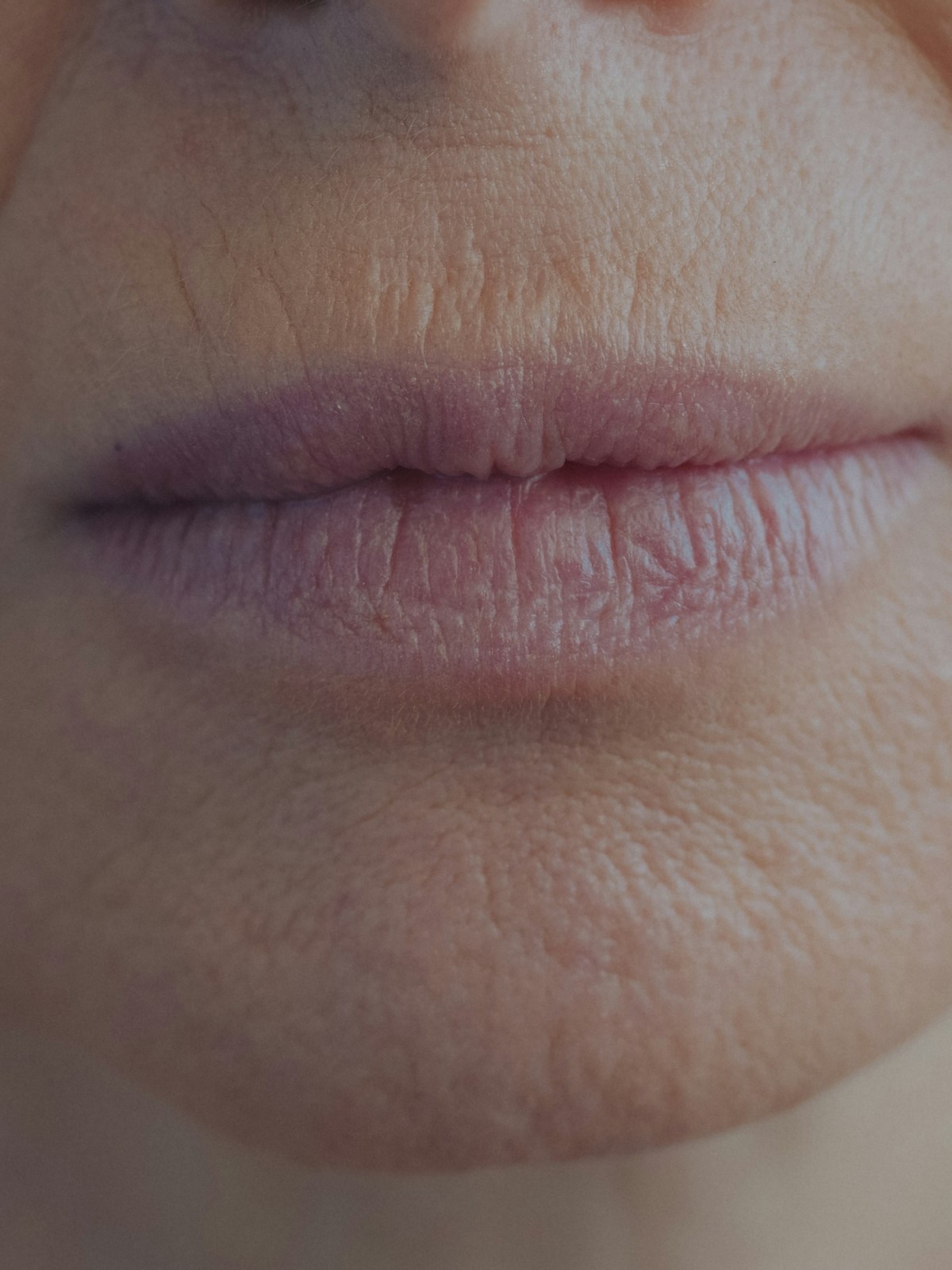
If the lips, especially the upper or lower lip, are covered with fine, deep, and clear vertical lines, this is often seen in physiognomy as a sign of loneliness and isolation. “Loneliness and isolation” doesn’t simply mean the absence of a partner or children; it carries a deeper meaning of inner loneliness, a poor emotional world, difficulty communicating with others, strained interpersonal relationships, and a potential lack of warmth and support from family in old age.
Lines Around the Mouth and Chin
In addition to vertical lines on the lips themselves, vertical lines around the mouth are also considered very undesirable.
For example, why are vertical lines on the philtrum (the vertical groove between the nose and upper lip) also considered unfavorable? Besides the inherent shape of the philtrum itself, a crucial reason is its proximity to the horizontal shape of the mouth. If the vertical lines on the philtrum are too deep or extend to the upper lip, they will clash with the horizontal energy field of the mouth, affecting one’s fortune in terms of food and emotional expression.
The corners of the mouth, also known as the “corners of the sea,” are an important area for observing a person’s fortune in their later years and their interpersonal relationships. If vertical lines appear at the corners of the mouth, or if the corners themselves droop (commonly known as a “capsized boat mouth”), these are considered inauspicious signs. Ancient physiognomy texts state: “Upturned lips revealing teeth are the worst; red lips and white teeth also foretell misfortune. Not only will men be destined to bring misfortune to their wives, but women will also bring misfortune to their husbands and parents. Furthermore, if both corners of the mouth turn downwards, it will bring trouble at best, and death at worst.” Here, “both corners of the mouth turning downwards” refers to drooping corners of the mouth or the presence of downward vertical lines. This condition easily attracts gossip and disputes, leads to poor interpersonal relationships, and a bleak later life.
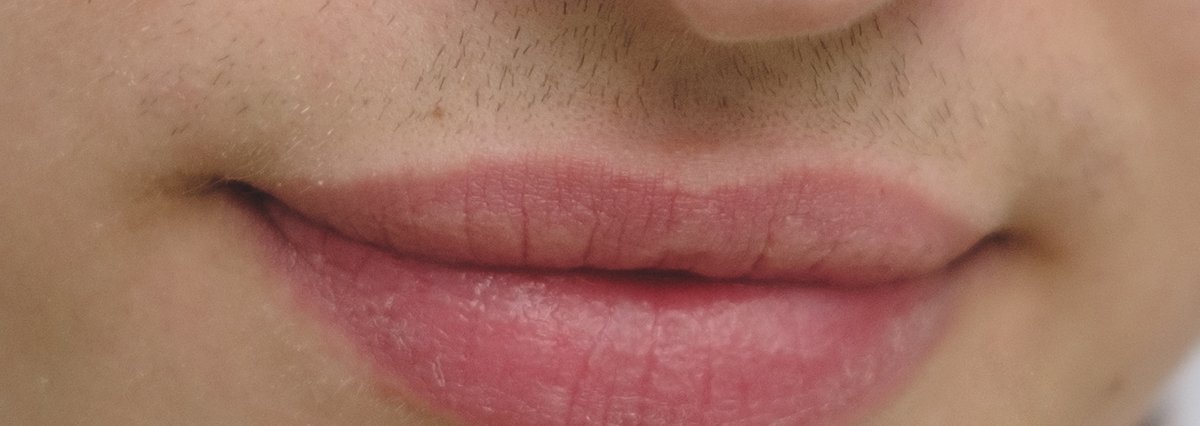
Another interpretation states that if there are vertical lines at the corners of the mouth, and the lines seem to be encroaching into the mouth, this is called “the Teng Snake entering the mouth.” This is a sign of misfortune, indicating that the person may encounter unexpected disasters or fall ill due to improper diet, and in severe cases, may even face the risk of starvation or poisoning. Of course, such extreme cases are relatively rare in modern society, but the health and safety hazards they imply should still be taken seriously.
If fine horizontal lines appear in the jaw area below the mouth (chin, also known as the “earthly pavilion”), following the curve of the chin, it is usually not a problem and may even indicate that the person is experienced and calm. However, if obvious vertical lines appear in the jaw area, it can be more directly concluded that the person may be prone to water-related disasters (such as drowning, floods, etc.) or have poor fortune in old age and be susceptible to illness and misfortune.
In short, the mouth, as the “receiving and distributing official,” is best when it is horizontally expansive, full, and rosy in color. Once it is disturbed by vertical lines, it is like a damaged gate, which not only affects one’s fortune and prosperity but may also bring trouble, loneliness, and even jeopardize one’s later years.
Lines on the Ears and Earlobes
In physiognomy, the ears are called the “Hearing Official,” governing a person’s hearing, intelligence, early life fortune (ears are observed from ages 1 to 14), blessings, and health (especially kidney energy). The shape, size, thickness, color, and outline of the ears can reveal a great deal of important life information.
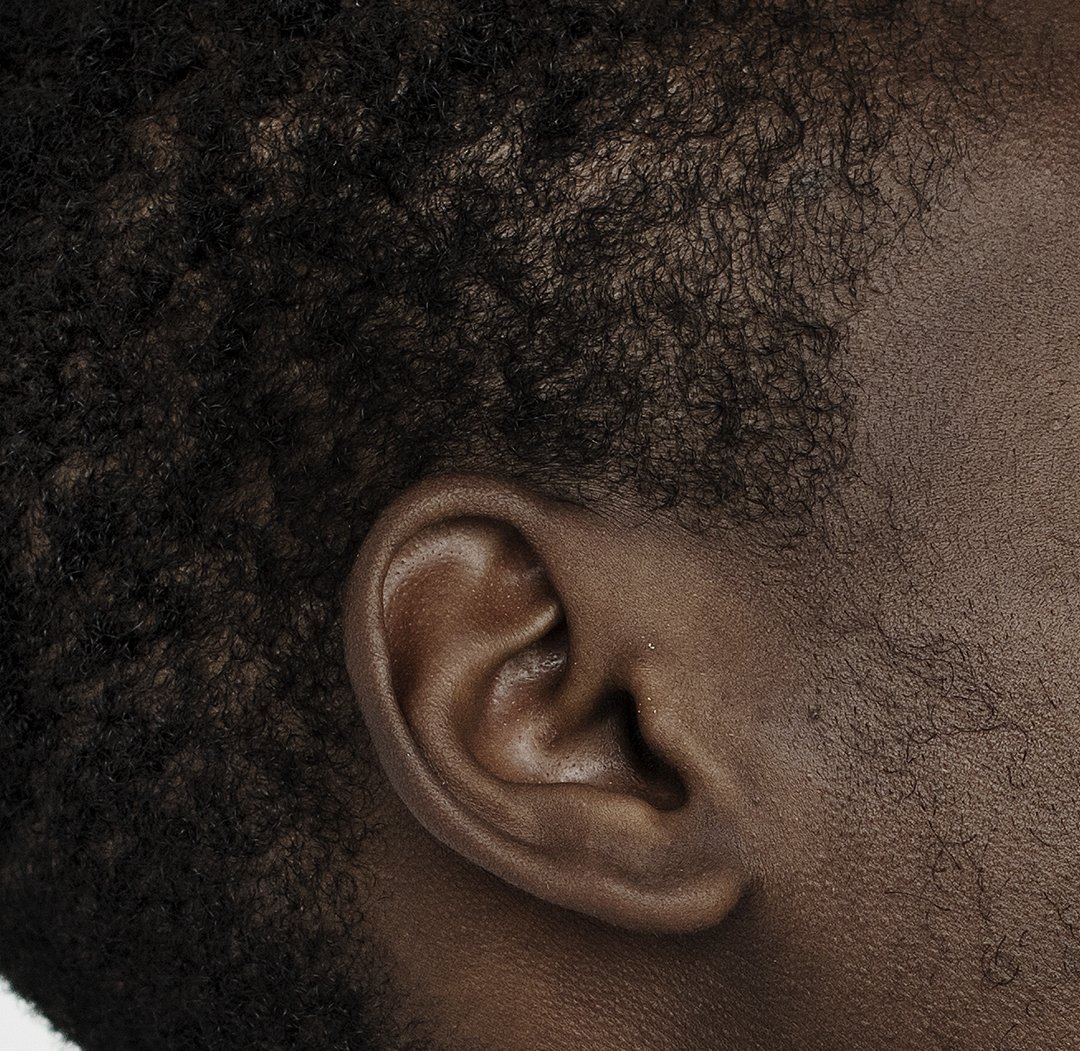
From a growth pattern perspective, the ears are organs that attach vertically to the sides of the head. Therefore, according to the principle of “horizontal lines fear vertical lines, and vertical lines fear horizontal lines,” special attention needs to be paid to the appearance of horizontal lines on the ears.
All parts of the ear, such as the helix (outer ring), auricle (inner ring), ear canal (ear hole), and tragus (ear shield), should ideally be clear, intact, and full, and should not have any damage, scars, or uneven lines.
Earlobe Creases and Heart Health
Of particular note is the earlobe. The earlobe, also known as the “ear pearl,” represents a person’s fortune, wealth, and luck in old age. A full, round, and thick earlobe is a symbol of both good fortune and prosperity. If one or more clear horizontal creases or lines appear on the earlobe, this is known in modern medicine as “Frank’s sign.”
Although physiognomy is not a strictly scientific diagnosis, the correlation between these horizontal lines on the earlobe and cardiovascular health has been confirmed to some extent through long-term observation and some medical research. Many people with cardiovascular and cerebrovascular diseases such as coronary heart disease, hypertension, and arteriosclerosis often have these characteristic horizontal lines on their earlobes.
Therefore, if you find such horizontal wrinkles on your earlobe, it is recommended to go to the hospital for relevant examinations, such as electrocardiogram, echocardiogram, blood lipids, and blood pressure, from both a physiognomy and health warning perspective, so as to detect potential health risks as early as possible and achieve early prevention and early treatment.

Lines on Other Parts of the Ear
Besides the earlobe, the appearance of discordant horizontal lines on other parts of the ear may also indicate misfortune in the corresponding year or a dysfunction in certain bodily functions. For example, horizontal damage or deep horizontal lines on the helix of the ear may affect early life stability and health.
In contrast, fine vertical lines that follow the contour of the ear are usually not a problem, as long as they are not too deep or messy. However, in general, ears that are smooth, full, and well-defined are considered the best. Any abrupt or discordant lines should be noted.
Can a Face Really Tell Your Fortune?
Through the detailed analysis of the seven important facial features above, we can clearly see that the core principle of “horizontal lines fear vertical lines, and vertical lines fear horizontal lines” has very broad applicability and important guiding significance in face reading. These “disharmonious lines” that contradict the natural growth direction of organs are like discordant notes in the symphony of fate, often keenly revealing the potential good and bad fortune, ups and downs in our life information.
Of course, physiognomy is a profound and systematic discipline, and absolute conclusions cannot be drawn based on just one or two lines. In practical application, we also need to combine a person’s overall complexion, bone structure, facial features, voice and demeanor, as well as their birth chart, palmistry features, and the feng shui environment they live in, to make a comprehensive judgment and arrive at a more accurate conclusion.
However, grasping the simple principle of “horizontal lines fear vertical lines, and vertical lines fear horizontal lines” undoubtedly provides us with a quick and intuitive entry point to help us initially identify “warning signals” in facial features. This not only allows us to have a general understanding of our own fortune, but more importantly, it reminds us to pay attention to the subtle signals our bodies send out and to care for our health. At the same time, it also reminds us to reflect on our behavior, cultivate our character, and actively adjust our mindset to face life’s various challenges in a more harmonious state.

Remember, physiognomy is the crystallization of ancient wisdom from observing the world and summarizing experiences. It is not fatalism, but rather an “early warning system” and a “navigator.” Understanding it is to better grasp the present, avoid misfortune and seek good fortune, and create a better life. I hope today’s sharing can open a window of wisdom for you to observe yourself and understand your destiny. May we all draw strength from this ancient wisdom and live a vibrant and harmonious life.
Keep reading

How Mian Xiang Chinese Face Reading Uses Your 5 Facial Features
Facial features are not just for predicting good or bad fortune; they can also help us understand our innate traits, personality weaknesses,…
How Chinese Face Reading Sees Trauma in a Face
What Chinese Face Reading Says Emotional Neglect Looks Like People who have never been favored often exhibit certain typical facial features. These…