
Throughout human history, various superstitious beliefs and folk tales have permeated every aspect of social life. Among them, the connection between specific physical characteristics and fate/misfortune is particularly noteworthy. The so-called “three-white eyes” is one such folk tale circulating in a specific community or region. It forcibly establishes a mysterious link between a woman’s eye feature and unfortunate events, especially illness or even death of male family members, thus assigning it a negative label and making it an object of avoidance when making marriage choices. This article will use an article titled “Three-White Eyes” as an example to deeply analyze the connotation, evolution, and underlying socio-cultural psychology of the superstitious belief, and explore its potential negative impact on individual cognition and social progress. The term sanpaku itself is Japanese, and the teachings of Mizuno Nanboku offer a different view, treating the face as a record of how a person lives.
What Are Sanpaku Eyes, or Three-White Eyes?
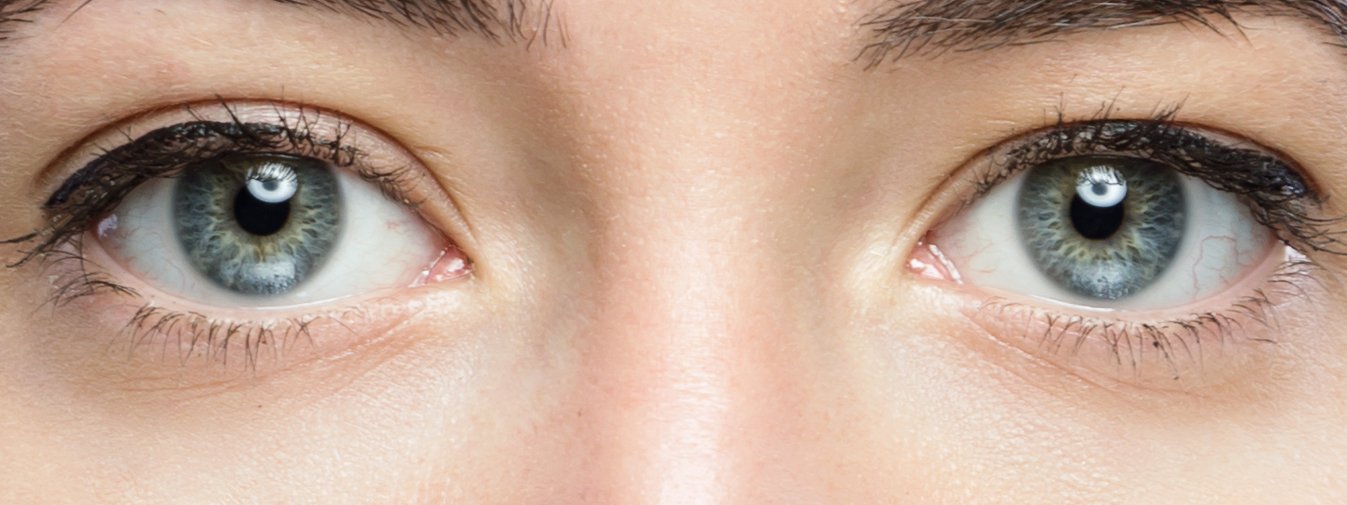
The term “three-white eyes,” as the name suggests, refers to a white feature in a specific area of the eye. Specifically, it usually refers to a small patch of white skin on the inner side of the eyelid, near the inner corner of the eye. Physiologically, this white skin may be caused by fat accumulation, thin skin, or genetics, but in superstitious interpretations, it is given an ominous meaning. The “three-white eyes” mentioned in the article’s title is a specific application of this belief. The protagonist of the story, a woman labeled with “three-white eyes,” became both a carrier and a victim of this superstitious belief. Her ex-husband died of nasopharyngeal carcinoma when she was young, at just over 30 years old. Her new husband, whom she met for the first time, appeared rosy-cheeked and radiant, seemingly a healthy and strong man. However, when they met again a few years later, her new husband was completely different, exhausted, pale, and even showing symptoms resembling liver problems. This stark contrast, in the narrator’s view, is a manifestation of the “power” of women with “three-white eyes,” irrefutable proof of her ability to “bring bad luck to her husband.” In most face reading sources the term describes white showing on three sides of the iris, and the traditional readings of sanpaku eyes summarizes what those sources claim.
How Headlines Turn an Eye Shape Into a Curse
The word “power” in the title is extremely impactful, elevating “three-white eyes” from a mere physical feature to a force with real influence and destructive power. This “power” is claimed not only to “bring misfortune to husbands” but also to “bring misfortune to sons,” negatively affecting them as well. This claim clearly lacks scientific basis, simplistically attributing complex social and personal fate to a single physical characteristic, a typical superstitious or fatalistic viewpoint. However, this view is widely circulated among the people and has had a significant impact on their lives, especially on their choices in marriage and relationships. The same habit of reading fate into the eyes appears in claims about yang sanpaku eyes, where white above the iris is tied to ruthlessness and an unhappy marriage.
The article’s title clearly expresses a strong personal opinion, suggesting that marrying this type of wife or daughter-in-law is extremely unlucky, even going so far as to suggest “it’s better to be a bachelor.” This extreme viewpoint reflects the author’s (or the person relaying the story’s) strong aversion to women with “three-white eyes” and a certain traditional or superstitious prejudice. They seem to believe that to avoid misfortune, choosing to remain single is better than marrying a woman with “three-white eyes.” This idea is not only disrespectful to women but also a distortion of marriage and love. Marriage should be a process of two people creating a beautiful life together based on mutual love, understanding, and tolerance, not a calculation based on superstition and prejudice.

The title directly poses a question to the reader, seeking agreement or disagreement: “What do you think? Do you agree with my point of view?” This interactive approach aims to turn the superstitious belief in “three-white eyes” into a public issue, forcing readers to think and express their opinions. In this way, the storyteller attempts to impose their own viewpoint on the reader, hoping to gain acceptance of their superstition and prejudice. However, this approach is debatable. As rational individuals, we should view the phenomenon of “three-white eyes” based on science and objectivity, not on superstition and prejudice.
Why the Sanpaku Belief Persists and What Science Says
The superstitious belief in “three-white eyes” has a complex socio-cultural background. On the one hand, it reflects people’s fear of the unknown world and their helplessness in the face of fate. In an era when science was underdeveloped, people lacked scientific understanding of natural phenomena such as disease and death, often attributing them to supernatural forces. On the other hand, the saying about “three-white eyes” may also be related to ancient superstitious ideas such as “Yin-Yang and Five Elements.” In traditional culture, people believed that everything in the world follows the laws of Yin-Yang and the Five Elements, and the white feature of “three-white eyes” was considered an unlucky sign of excessive Yin energy, thus bringing misfortune. The modern label yin sanpaku is used for white below the iris, and the traditional yin sanpaku claims cover the character and marriage readings made for women and men.
However, with social development and scientific progress, people should have a clear understanding of the superstitious belief in “three-white eyes” (eyes with the whites showing in the whites of the eyes). We should recognize that “three-white eyes” are merely a physiological characteristic and have no relation to a person’s fate, personality, or abilities. Attributing personal misfortune to this physiological characteristic is a typical example of irrational association and inference. We should abandon the gender discrimination behind this superstitious belief. Directly linking specific female physical characteristics with male misfortune and drawing the extreme conclusion of “better to be a bachelor” is disrespectful to women and undermines gender equality.
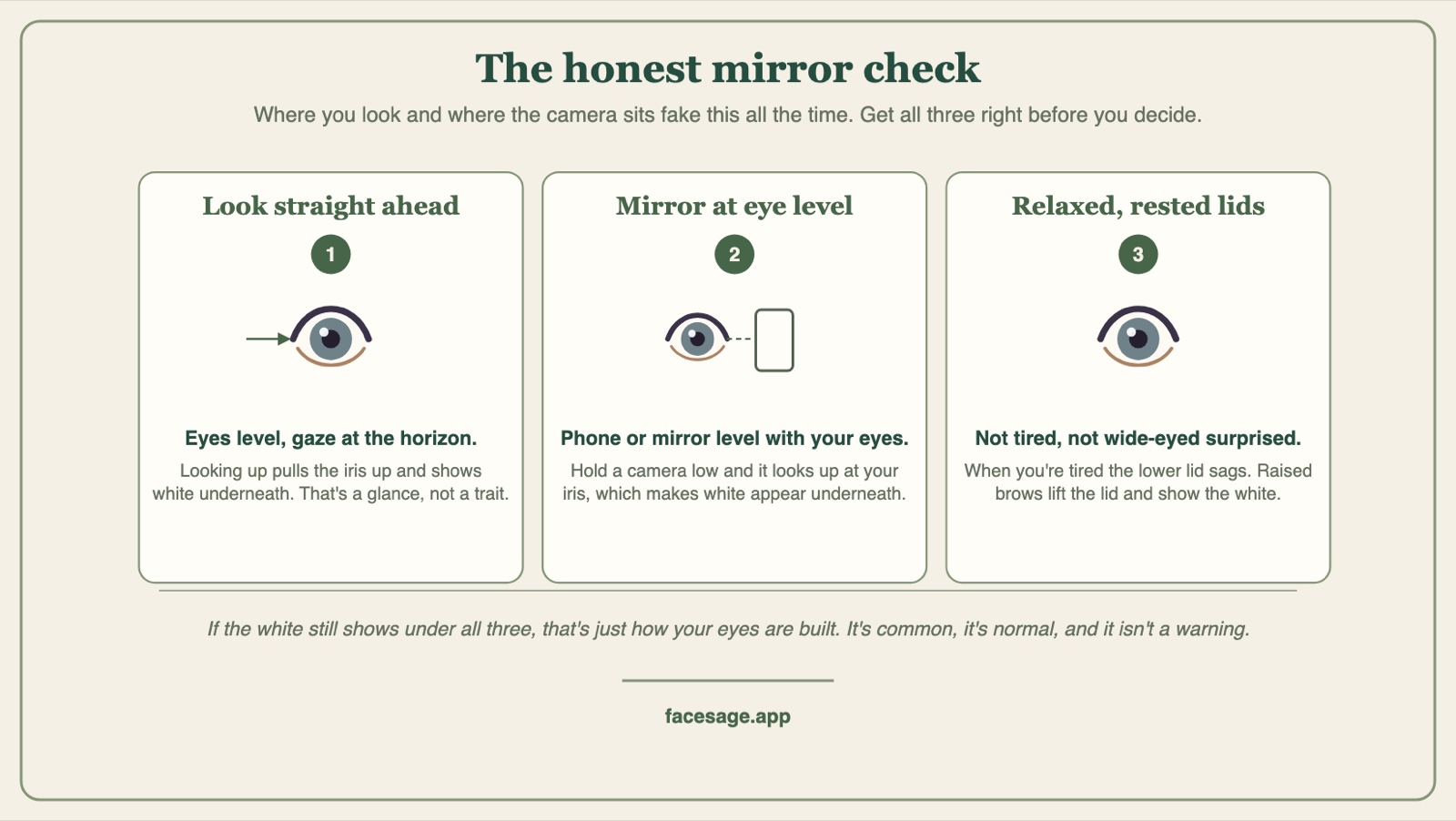
More importantly, we should advocate for scientific, rational, and equitable social values. When making choices in marriage and relationships, we should base our decisions on mutual understanding, respect, and tolerance, rather than on superstition and prejudice. We should focus on a person’s inner qualities, such as character, abilities, and values, rather than excessively focusing on physical appearance. Only in this way can we build healthy, harmonious, and happy marital relationships and promote social progress and development.
Of course, we should also recognize that eliminating superstitious beliefs is a long and complex process. It requires efforts from multiple aspects, including popularizing education, disseminating scientific knowledge, and improving social atmosphere. We should use public education to make people aware of the harm of the “three white eyes” superstition and to help them establish a scientific and rational worldview. At the same time, we should also guide public opinion to create a social atmosphere that respects women and opposes discrimination.
Final Thoughts on Sanpaku Eyes and Superstition
The superstitious belief in “three-white eyes” (where the whites of the eyes are visible above and below the iris) is a typical example of folk superstition. It forcibly establishes a mysterious link between a specific female physical characteristic and unfortunate events, thus assigning it a negative label. While this belief has a complex socio-cultural background, it lacks scientific basis and reflects blatant gender discrimination and prejudice against women. We should abandon this superstitious belief and advocate for scientific, rational, and egalitarian social values. Only in this way can we build a more civilized and progressive society. When discussing the topic of “three-white eyes,” we should adopt an objective and rational attitude, rather than relying on superstition and prejudice. We should focus on the social issues behind this phenomenon and consider how to eliminate this superstitious belief to promote social progress and development. At the same time, we should also pay attention to women’s rights, oppose any form of gender discrimination, and contribute to building a more equitable and harmonious society.
Keep reading
What Is Face Reading and What Can It Tell You?
What Is Face Reading (Physiognomy)? Physiognomy is a folk art of fortune-telling that involves observing a person’s facial features, and strictly speaking,…
What Are Sanpaku Eyes and What Do They Mean?
In Chinese fortune telling, the eyes are the most important feature in the Palace of Destiny, governing fate and emotions, and are…