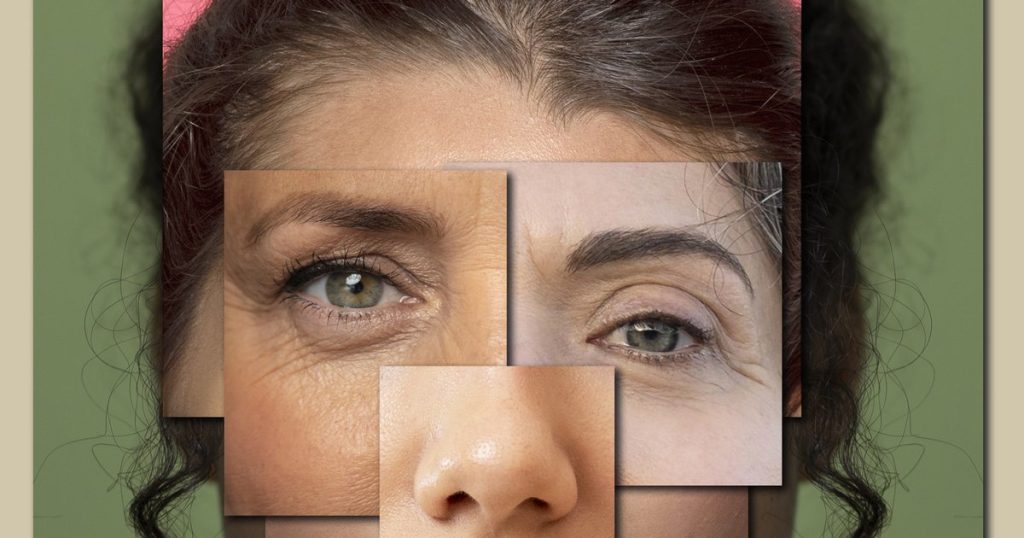
Physiognomy vs Phrenology: Can Appearance Reveal Character?
Can one judge a person’s character, abilities, or habits solely by their appearance? Some agree, while others scoff at this idea. A person’s appearance can indeed reveal a lot about their internal state.
For example, observing a person’s health or hygiene, whether they are usually quiet or active, and their adaptability to their surroundings can give a general idea of what kind of person they are. A person’s physique or left-right body balance depends on their genetic makeup and the health of their immune system. In fact, the biggest reason we fall in love is the other person’s physical attractiveness.
However, can you tell a person’s calculation ability, drawing skills, IQ, and personality (extroverted or introverted) just by looking at their appearance? That question has a long history, and an overview of whether physiognomy is pseudoscience traces how it developed in both the West and China.
A review of human history reveals that many people have believed this to be true. Both Asian physiognomy and Western phrenology are systematic scientific studies in this area, resulting in theoretical frameworks.
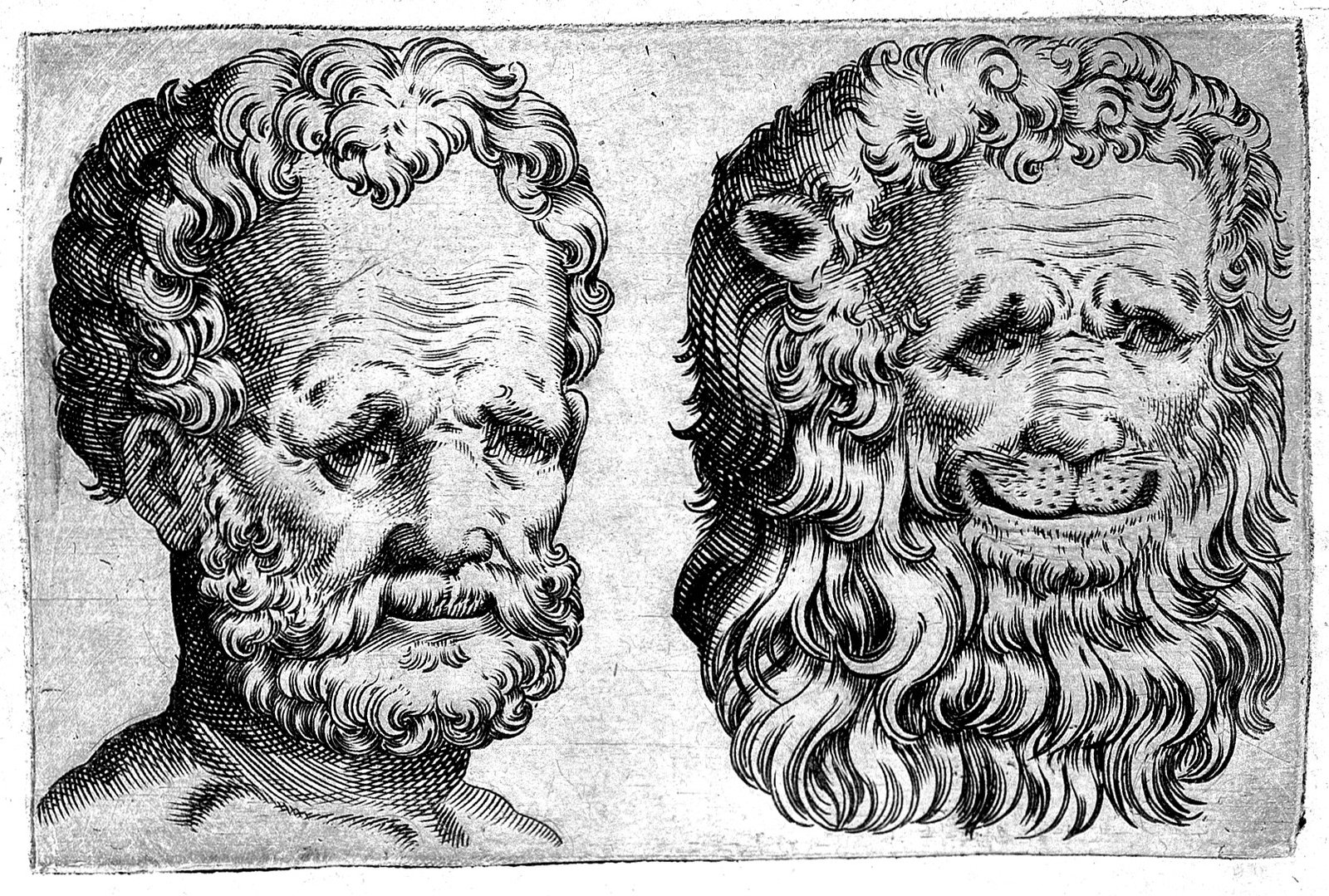
A Surgeon’s Hunch: How Phrenology Began
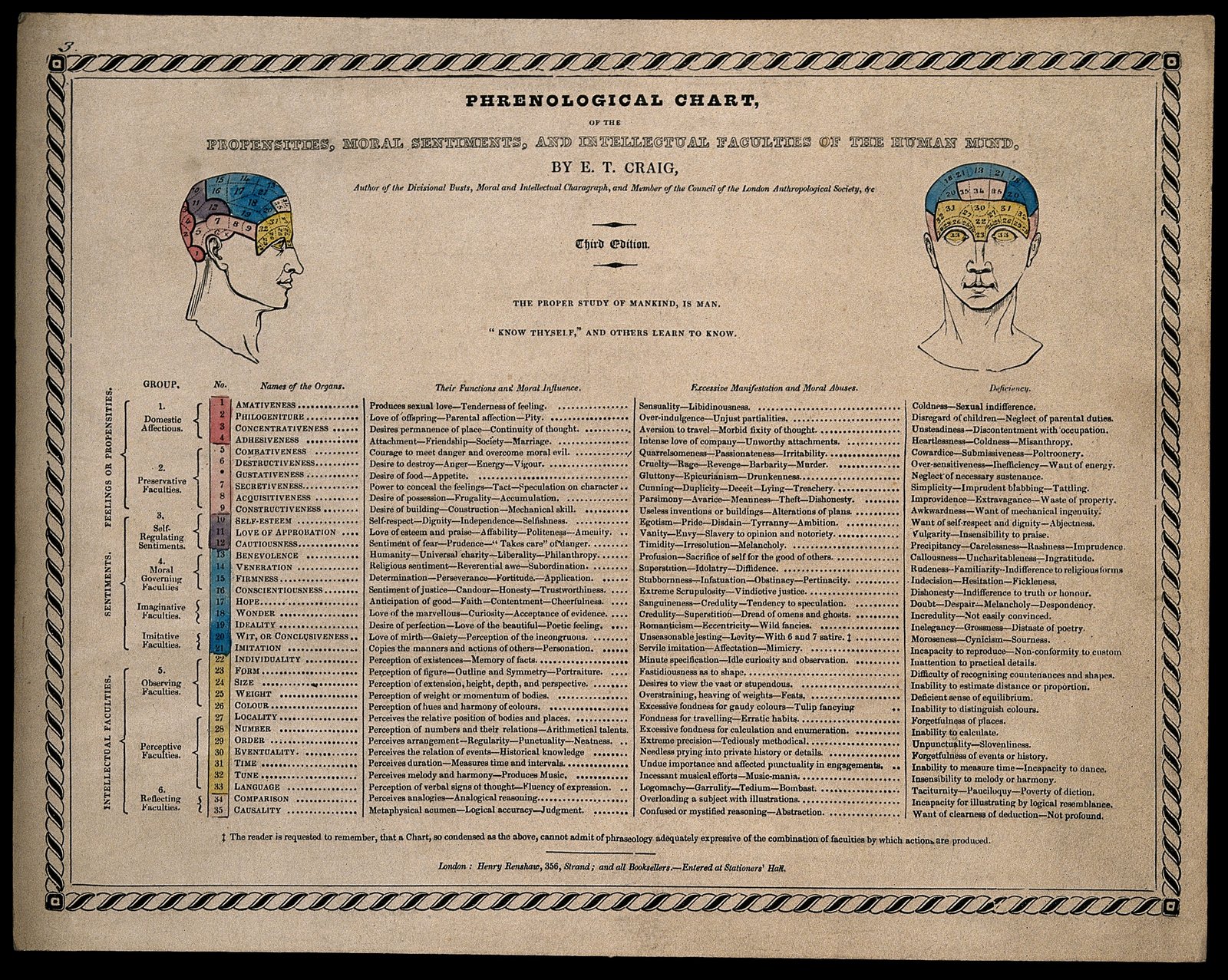
Phrenology is a discipline that claims to infer a person’s character or abilities by observing their facial bones, or more precisely, the shape of their skull. The founder of phrenology was the renowned Vienna-based surgeon and neuroanatomist, Franz Gall.
Franz Gall was born in 1758 into a devout Catholic family in Germany. Aspiring to be a doctor from a young age, Gall earned his medical degree in Vienna, Austria, and gradually became a distinguished surgeon. His reputation grew in the region, and he even began charging people to observe his surgeries, earning him a considerable amount of money.
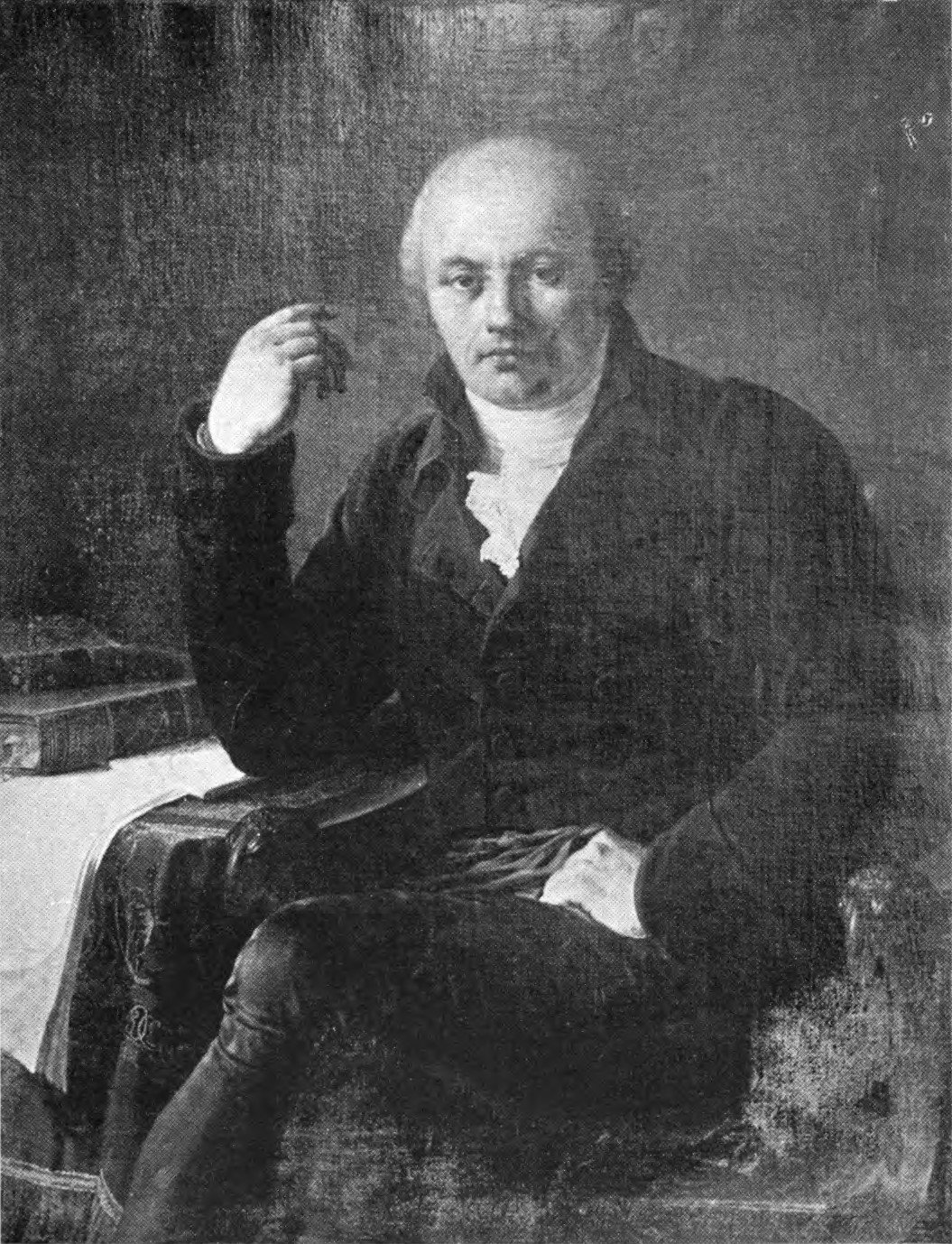
His surgical techniques expanded from patients’ hands and feet to the brain, leading him to discover a direct relationship between brain structure and physical ailments. Gall discovered that the brain is not a single organ, but rather an individual collection of functions. For example, the parts of the brain that control breathing and digestion are different from those that control motor abilities, and the parts that control sensation in the fingers and toes are not located in the same area of the brain.
Gall’s discovery has been validated by modern medicine. Furthermore, building on this discovery, Gall proposed, “If the brain regions controlling breathing and movement are different, then are the brain regions controlling memory or feelings of pleasure also located in different places?” This time, Gall developed this hypothesis not through dissection, but based on his accumulated experience.
However, Gall’s phrenology was ultimately criticized as pseudoscience. While it was not wrong for him to create theories based on his personal experience, he hastily drew conclusions based solely on his own experience, and his conclusions could not withstand scrutiny.
However, Spurzheim, who had briefly worked with Gall on research, developed the idea, later named it “phrenology,” and started a business based on it.
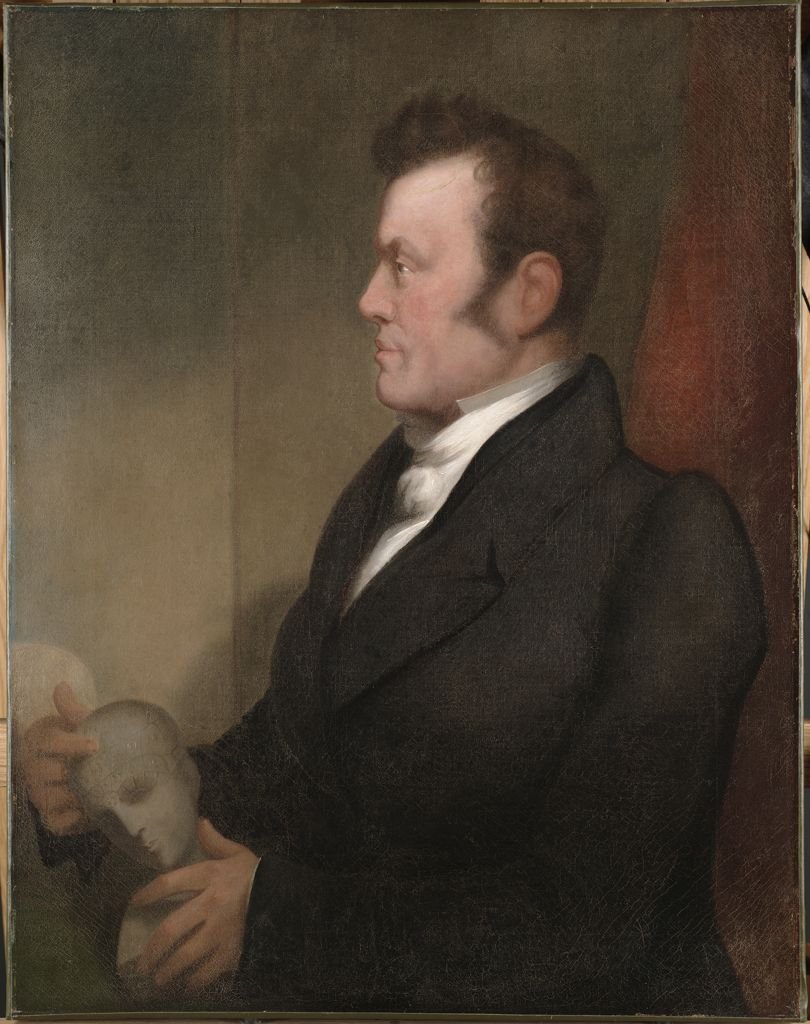
The Promoter Who Turned Phrenology Into Pseudoscience
Spurzheim adopted any phenomenon that slightly conformed to phrenology as evidence to support it, making phrenology appear as a theoretical doctrine with solid scientific basis. Conversely, he ignored or distorted evidence that did not align with his views; a representative example is his conclusion regarding the skull of René Descartes, the founder of modern philosophy.
After examining Descartes’ skull, Spurzheim concluded that “Descartes was not actually very intelligent,” because he observed that the part of Descartes’ head controlling the intellectual realm was very small, yet Descartes was recognized as a genius by those around him from a young age. This fact is sufficient to demonstrate how absurd Spurzheim’s phrenology was.
In fact, it was precisely because of these unfounded theoretical distortions that phrenology faced increasing skepticism and rejection in European academia. By the mid-1830s, phrenology was deemed pseudoscience by the scientific community. However, what is puzzling is that the more the academic community ignored phrenology, the more popular it became among the general public, especially in the United States, where its influence lasted for a long time before gradually fading from public view.
Gall’s Real Contributions to Brain Science
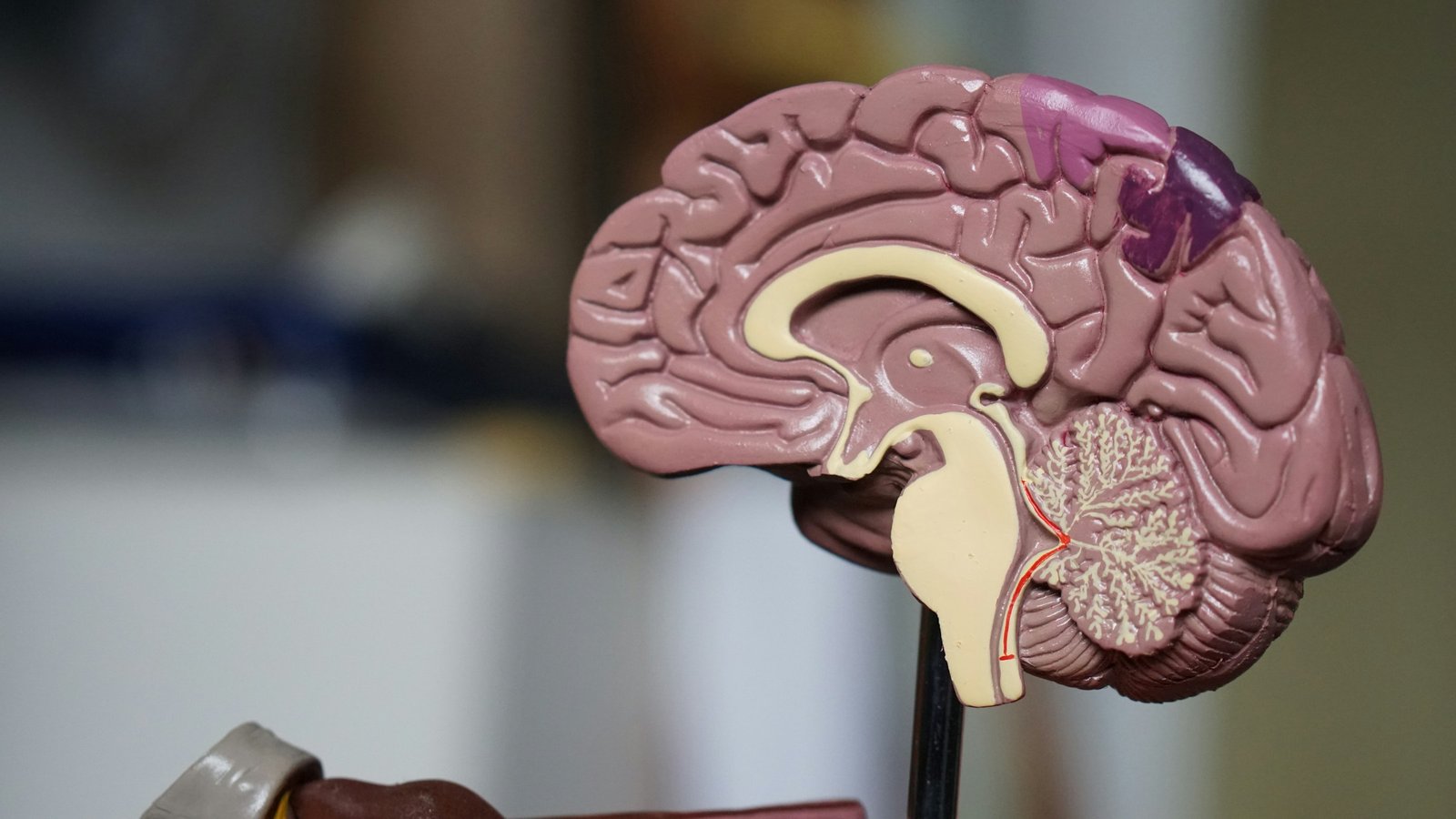
Although mistakenly considered a proponent of pseudoscience, Gall made significant contributions to the history of science. A former anatomist, he dissected the brain, learning about the structure of nerve fibers connecting the left and right hemispheres. In this process, he first proposed the theory that nerves controlling the left side of the body connect to the right hemisphere, and nerves controlling the right side connect to the left. Therefore, if a stroke or other illness damages one side of the brain, the body on the opposite side of the damaged brain will become paralyzed. Gall’s work is credited with making this fact known to the world.
Furthermore, through comparisons of the brains of various animals, he discovered that the larger the brain, the higher the intelligence. He also first proposed the theory that the folds of the cerebral cortex play an important role in human thinking ability. In reading comprehension or writing, the ability to combine ideas, as well as the capacity for comparison and organization, is essential. These skills reside in the complex patterns of the cerebral cortex. The folds of the brain increase the surface area of the cerebral cortex, thus providing it with better space for contraction. The person who elucidated this fact was Gall.
What Phrenology Got Right and Wrong
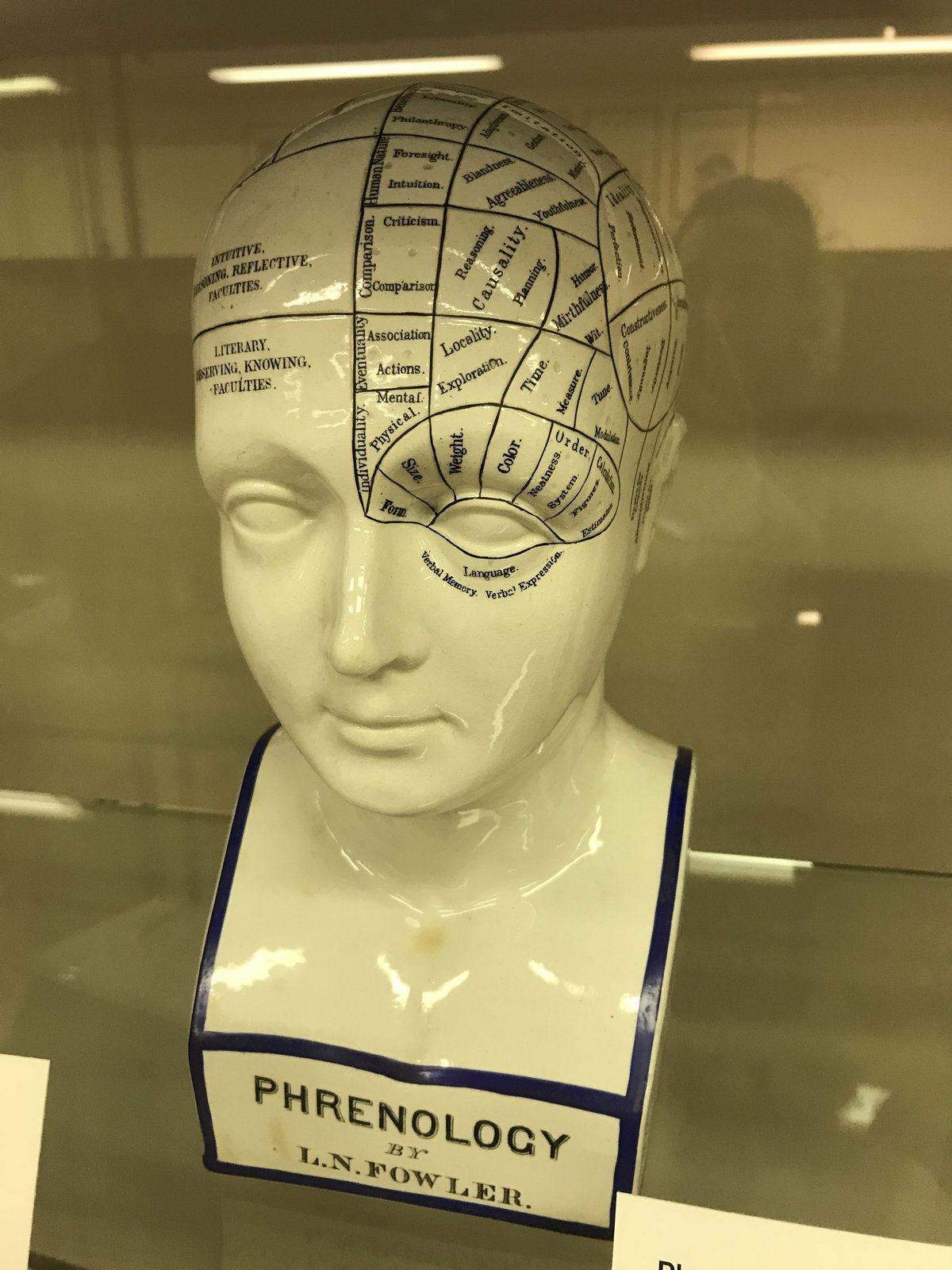
While phrenology has been deemed pseudoscience, it is not entirely without merit. The premise that “the brain controls all mental skills, and each part controls different skills” has, at least, been supported by facts.
Gall’s mistake was that he simply viewed the brain as a muscle controlled by force, believing that when a certain part exerts force, the muscle will expand under the influence of that force. By analogy, if a person excels in a particular ability, then the corresponding part of the brain will appear “prominent” compared to other parts.
Therefore, even if part of a theory or doctrine is correct, it does not mean that the entire doctrine reveals the truth. Furthermore, even a 100% correct basis can become a completely absurd theory if used improperly.
Keep reading

Is Physiognomy Pseudoscience or a Record of How We Live?
“Your appearance is clearly extraordinary; you’re destined for great wealth and high status.” Many people heard similar things when they were young,…
Can Physiognomy Predict Criminality? What Studies Showed
We often hear this kind of assessment: “This guy doesn’t look like much.” However, can we really judge a person’s character and…