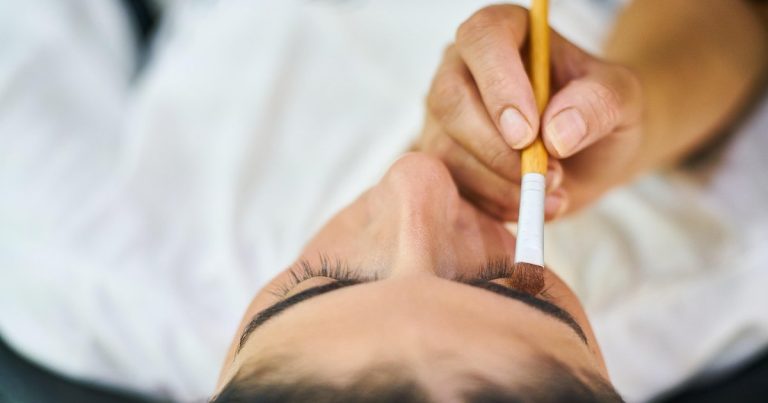
Left vs Right Side of the Face in Face Reading
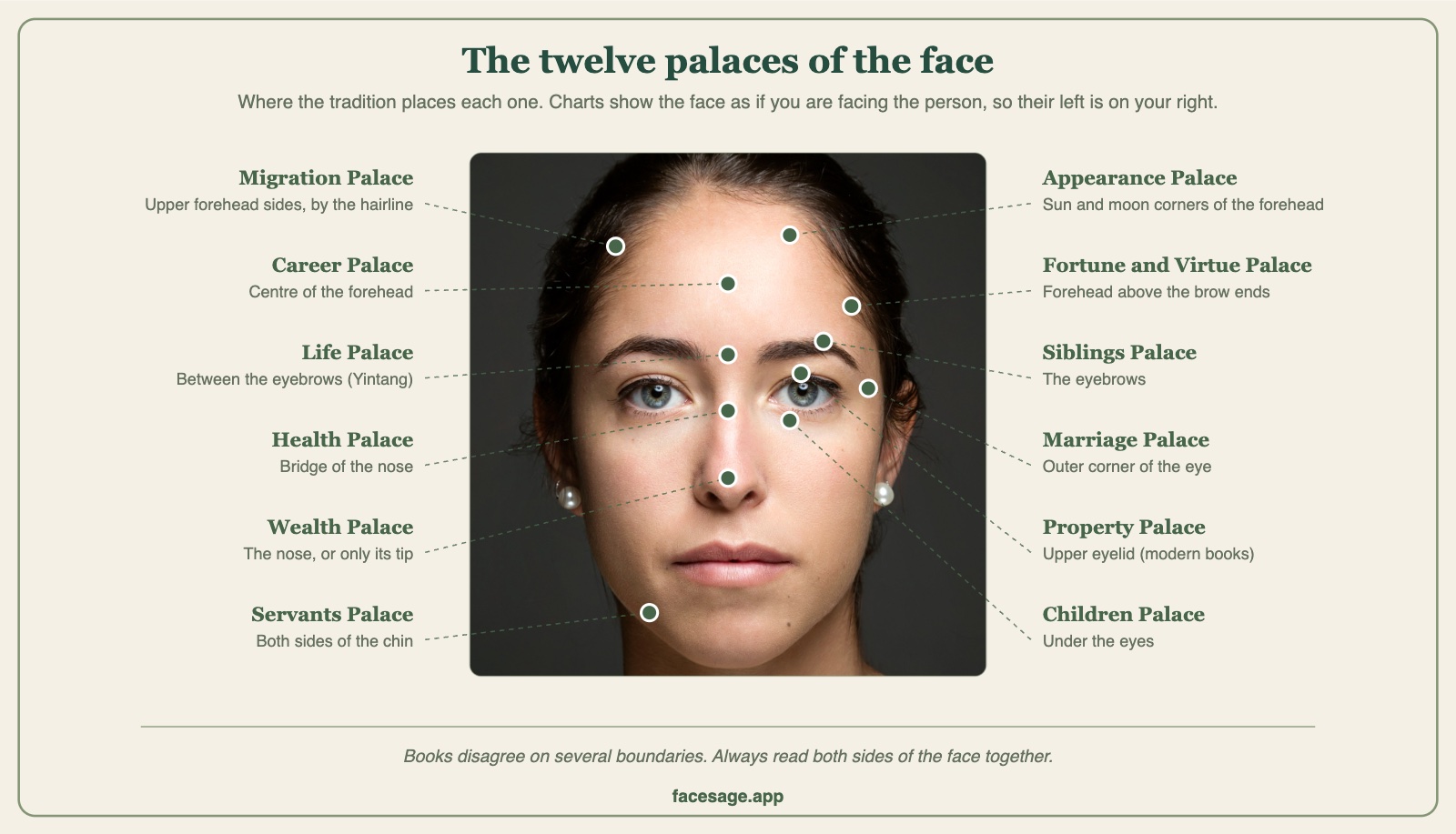
Many people want to know about their fortune, health, and love life, but how should we interpret facial features, and how do we distinguish between the left and right sides? Looking at facial charts in books should be like looking at a person in a mirror; our left side is the right side of the chart, and our right side is the left side. Some ancient books have illustrations that clearly indicate the left-right order; however, one should not generalize based solely on that order. If you want a chart to work from, our face reading chart guide lays out the Three Courts, the Five Sacred Mountains and the twelve palaces.
What the Left and Right Sides of the Face Mean
The “Left for Men, Right for Women” Rule Applies Only in Part
In face reading, the “left for men, right for women” rule doesn’t apply to all readings. It refers to certain aspects. For example, when analyzing annual fortune, a man’s fortune begins at age 31 with the left eyebrow, while a woman’s begins with the right eyebrow. This distinction between left and right in the 100-year fortune chart reflects the left-right orientation. Furthermore, the facial features representing family members are reversed for men and women. For instance, in a man’s face, the left side (the sun corner) represents the father, and the right side (the moon corner) represents the mother; the opposite is true for women.
Left and Right: Innate vs Acquired
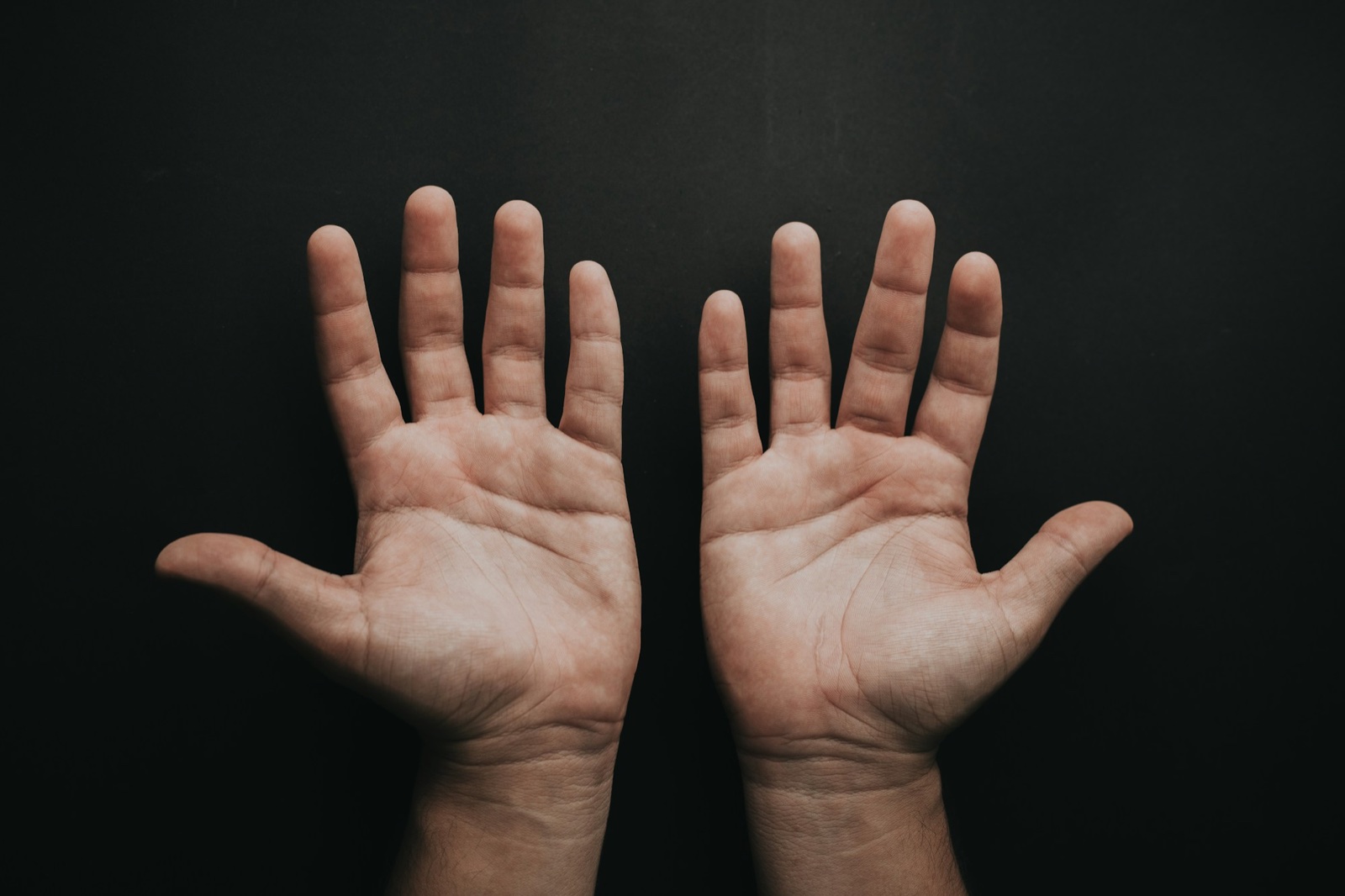
This is especially important when reading palms. Many people believe that for men, only the left hand needs to be examined, and for women, only the right. This is not the case! The saying “men look at the left, women look at the right” doesn’t mean the other hand is ignored. It means that for men, the left hand represents their innate destiny, while the right hand represents their acquired destiny and fortune. For women, the opposite is true: the right hand represents their innate destiny, and the left hand represents their acquired destiny and fortune. Regardless of gender, both hands must be considered together; it’s not enough to just look at one hand.
Reading Fortune Over Time: No Left or Right
In physiognomy, there’s a method for assessing monthly fortune. It involves dividing a person’s face into the twelve Earthly Branches: spring is Yin, Mao, Chen; summer is Si, Wu, Wei; autumn is Shen, You, Xu; and winter is Hai, Zi, Chou. Starting from the chin, it’s Zi, then Chou, and so on, clockwise on the face chart. This method doesn’t differentiate between genders or left/right sides, as it’s based on the Later Heaven Bagua diagram, which is fixed. For example, to determine whether one’s fortune is good or bad in spring, regardless of gender, one looks at the right cheekbone and right ear.
Why You Must Read Both Sides of the Face
Not only palmistry, but also face reading, whether it’s a man’s or a woman’s, you must look at both sides, and combine them. It’s not that you can focus on the left side when reading a man’s face, nor that you can focus on the right side when reading a woman’s face. That would be biased. You must combine both sides to make an accurate and comprehensive assessment. If you are working from a picture, our guide to face reading by photo explains how to take a level, evenly lit portrait in which both sides of the face are clearly visible.
The Twelve Palaces: Life, Health and Wealth
Life Palace
The Life Palace is located between the eyebrows, above the root of the nose, also known as the Yintang area, which is the master switch of destiny. It is also the gathering place of auspicious and inauspicious signs. If it is bright and clear like a mirror, one’s life will be mostly smooth. If it is sunken and uneven, encroached upon by the eyebrows and appearing narrow, or if wrinkles are formed due to a habit of frowning, or if there are scars left from injuries, these will all affect the ups and downs of one’s destiny and lead to negative encounters.
Health Palace
The bridge of the nose, sometimes including the area between the eyes, symbolizes ancestral foundation, inheritance, health, resistance to disease, and resilience to disasters. Therefore, it should be full and smooth. Breaks, depressions, moles, scars, or other imperfections are all considered unfavorable. Moles or scars in this area indicate poor digestion and a predisposition to hemorrhoids and constipation. A break or horizontal line on the bridge of the nose suggests leaving one’s hometown to seek development elsewhere, and the potential for setbacks.
Wealth Palace
The nose refers to the area above the eyebrows (the left and right temples) and the sides of the chin (the left and right chin areas), or sometimes only the tip of the nose. It represents wealth and career. A high, full, round, and straight nose indicates good health, hard work, success in career, wealth accumulation, and a comfortable life. A crooked, slanted, bent, hooked, pointed, thin, sideways, turned upside down, bony, or exposed nostrils are all flaws, reflecting not only character deficiencies but also negatively impacting career and wealth. A nose covered in red veins or with a dark, bluish complexion is a sign of illness or financial loss. A bright red nose, specifically called “fire damaging the central hall,” is a warning of impending disaster; one should avoid rash actions and exercise patience to mitigate the severity of the misfortune.
Palaces of Relationships and Family
Servants Palace
The area on either side of the chin, known as the “hanging walls,” is also called the “servant palace.” This is an old term, but now it encompasses subordinates, colleagues, juniors, and the voting masses. A round and full chin is considered auspicious; that is, a pointed, sunken, slanted, or narrow chin indicates a lack of support and admiration, and a lonely old age.
Marriage Palace
The outer corner of the eye, known as the “fish tail” or “marital palace,” is considered auspicious in modern society due to the strict adherence to monogamy and the prohibition of bigamy and concubinage. The idea that “a wife is not as good as a concubine, and a concubine is not as good as a stolen affair” should be abandoned to avoid infidelity. Therefore, the area around the outer corner of the eye, considered the “marital palace,” should be full and smooth. Defects, deep wrinkles, or scars in this area can easily lead to marital problems or even other issues.
Siblings Palace
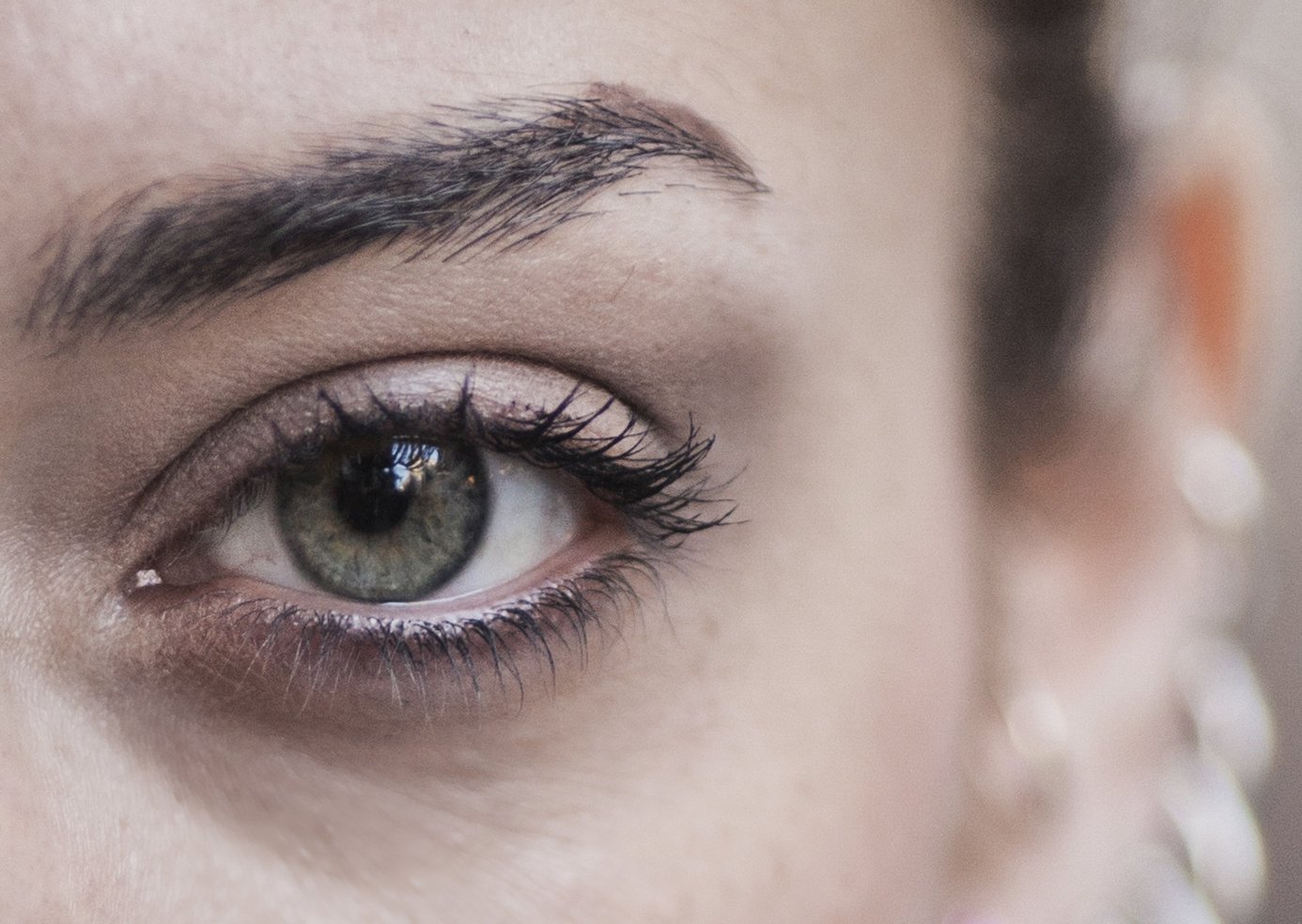
Generally, this refers to eyebrows, but can also include the temples and forehead. Hair is related to hormone secretion, so in traditional physiognomy, eyebrows were used to determine one’s inherited constitution and the number of siblings. With modern birth control, this is no longer necessary, but eyebrows can still reflect one’s feelings and emotions. They can be interpreted more broadly as relationships with friends and colleagues, emotional changes, and even courage and boldness in actions. The area above the eyebrows is considered the area for friendships, symbolizing the gains and losses in friendships; therefore, it is unfavorable to have undesirable lines or scars there.
Children Palace
This refers to the tear trough area under the eyes, the lower eyelid that resembles a silkworm. It should be full and not sunken. This area is closely related to the cerebellum. If there are defects, weakness, or malignant moles or diagonal lines, it will affect the cerebellum’s movement and make it difficult for the libido to be normal. Even if the person becomes pregnant and gives birth, the child may have shortcomings in terms of health or personality.
Palaces of Home, Career and Fortune
Property Palace
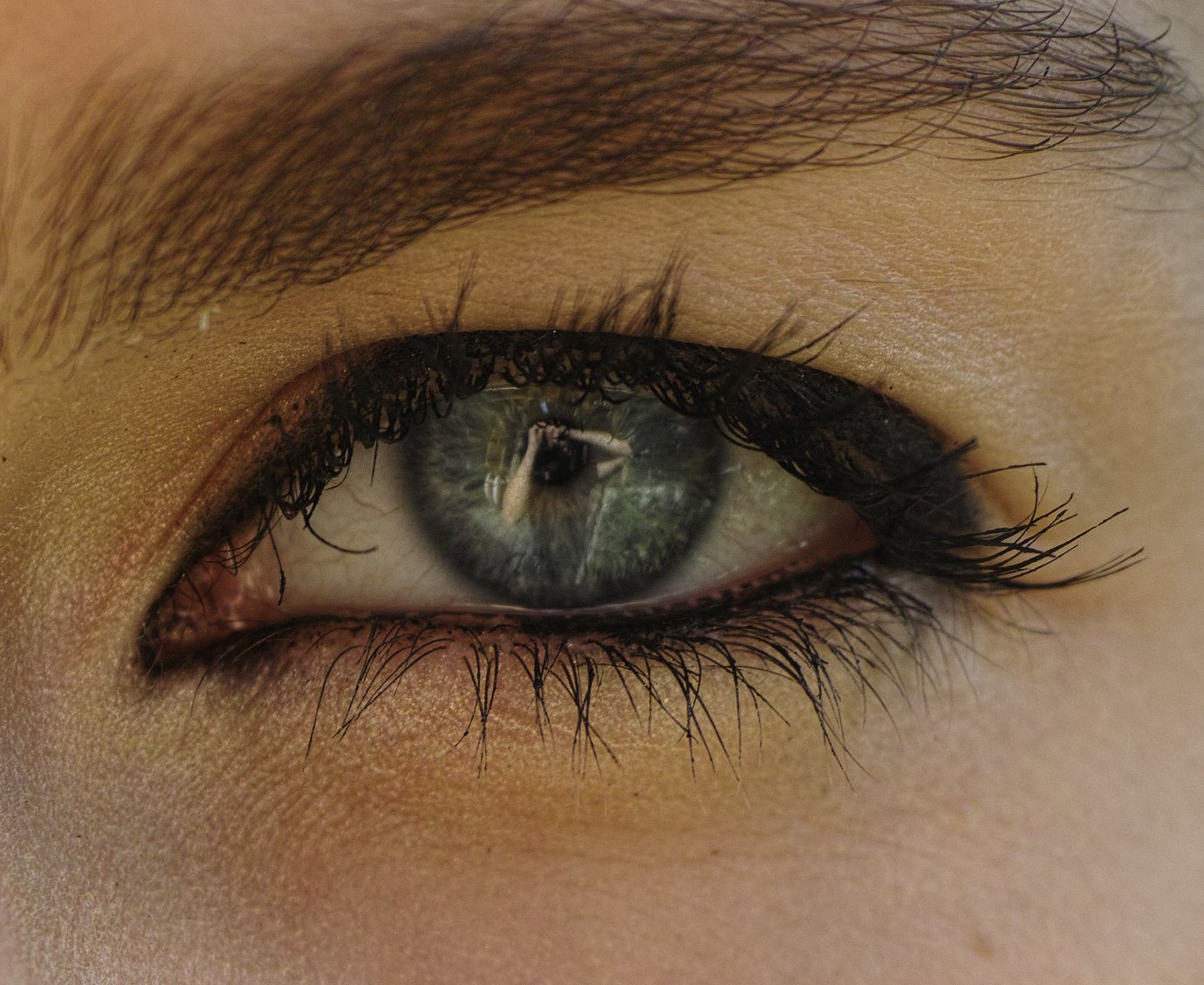
Traditional physiognomy books often considered the eyes as the “Field and House Palace,” with the left eye representing the sun and the right eye the moon. Some also included the forehead, the left and right sides of the forehead, and the chin. As the names suggest, “Field” refers to land and “House” to houses, both representing fixed assets. The eyes symbolize wisdom, spirit, and temperament; these qualities are essential for possessing fixed assets. Sunken, lifeless eyes indicate an impatient and unwise nature, or eyes with red veins in the whites suggest difficulty in acquiring property and potential ruin. Red veins running through the pupils further indicate misfortune and danger. Modern physiognomy uses the upper eyelid between the eyebrows and eyes, formerly known as the “Essence Chamber,” “Light Palace,” “Field and House,” or “Family Continuation,” as the Field and House Palace. A broad and full Field and House Palace is considered auspicious, not only for acquiring property but also for good interpersonal relationships. A sunken, narrow, or thin Field and House Palace indicates an impatient nature, lack of public relations skills, and a potential for being penniless and destitute.
Career Palace
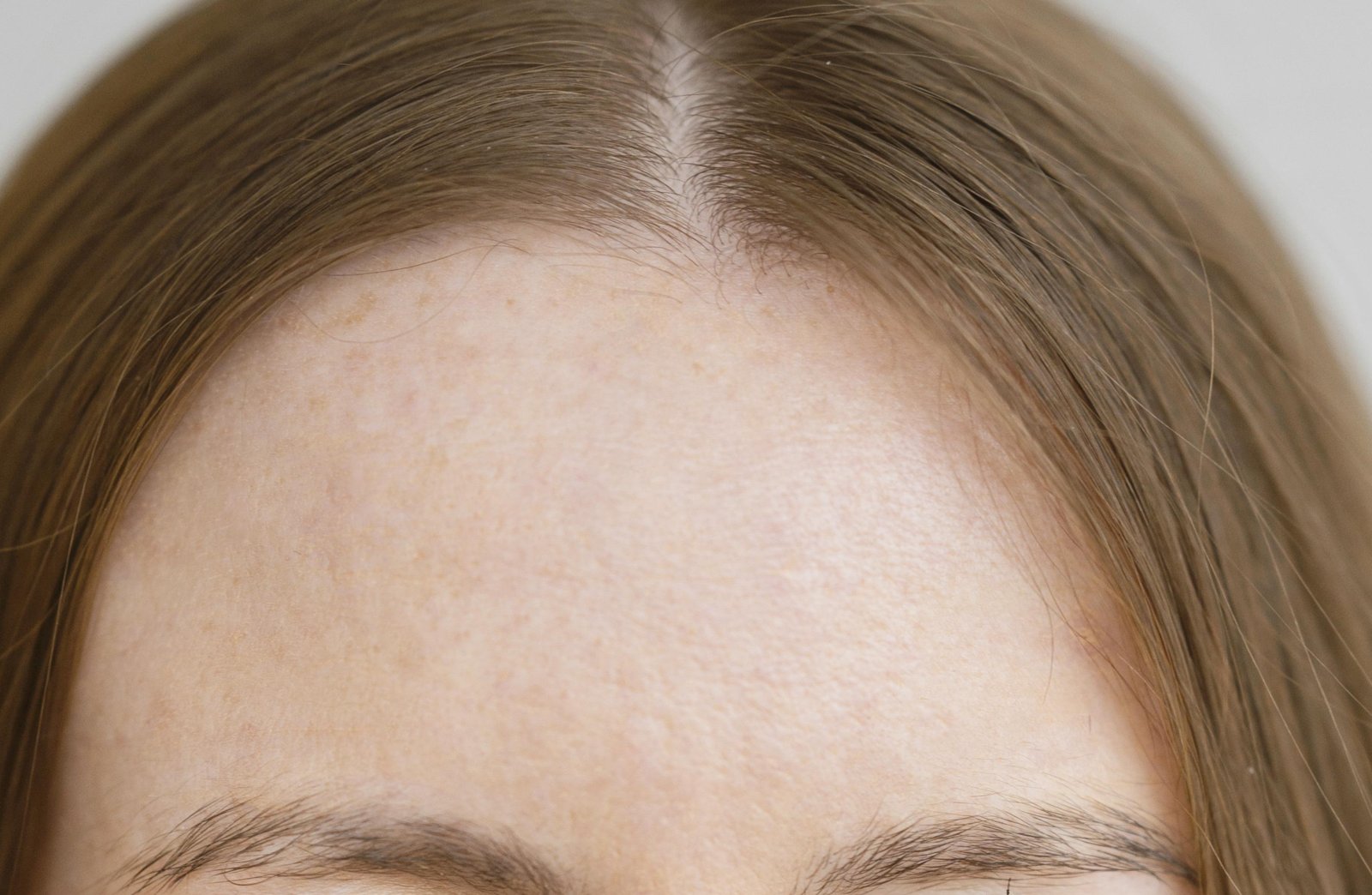
Also known as the Career Palace, it is located above the glabella, in the center of the forehead, including the Tianzhong, Tianting, Sikong, and Zhongzheng. It should be full, smooth, and broad. If there is a vertical bone that rises up and connects with the nasal bone, passing through the root of the nose and glabella in one go, reaching the hairline at the top of the forehead, it is called “Fuxi Guanding”. This indicates a great chance of career success and a high social status. The book “Tieguandao” in physiognomy regards the nose as official position, the mouth as wealth, the life palace as seal, and the forehead as nobleman, all of which are included in the career palace for comprehensive judgment.
Migration Palace
The area above the eyebrows on the forehead, close to the hairline, includes the Travel Palace and the Borderlands Palace (some believe it should include the Mountain and Forest Palace). Defects in these areas can negatively impact transportation, relocation, travel, job transfers, and international trade. If you want to know if you have a chance to immigrate, pay attention to the Travel Palace.
Fortune and Virtue Palace
The area above the eyebrows on the left and right sides of the forehead is called the Heavenly Granary, or the Hall of Fortune. The Hall of Fortune is further divided into the Inner Hall of Fortune and the Outer Hall of Fortune. Some consider the Palace of Fortune to include the Heavenly Granary on the forehead and the Earthly Treasury on the chin, in order to observe fortune and wealth. The saying “Heaven and Earth facing each other” describes the Heavenly Court on the forehead and the Earthly Court on the chin facing each other, and both being full and without flaws. Similarly, the Heavenly Granaries on the left and right sides of the forehead and the Earthly Treasury on the left and right sides of the chin facing each other, and also being full and without flaws, indicates that this person has all five blessings in life, enjoys longevity and health, has abundant wealth, lives a peaceful life, loves morality, and will die a peaceful death. We Chinese believe that “possessing all five blessings” is a remarkable achievement.
Appearance Palace
The sun and moon corners on the left and right sides of the forehead should be high, round, and clear, that is, slightly raised without any deviation. The complexion should be bright and clean, indicating that the parents are healthy and the heredity is good. The so-called outstanding head and horns should refer to the prominent sun and moon corners, indicating that the parents’ education is successful, so that he can stand out at an early age. Some physiognomy books do not include the parents’ palace, but take the five mountains and three courts as the whole as the “appearance palace” for a comprehensive judgment.
What Moles on the Face Mean
The Auspicious Mole
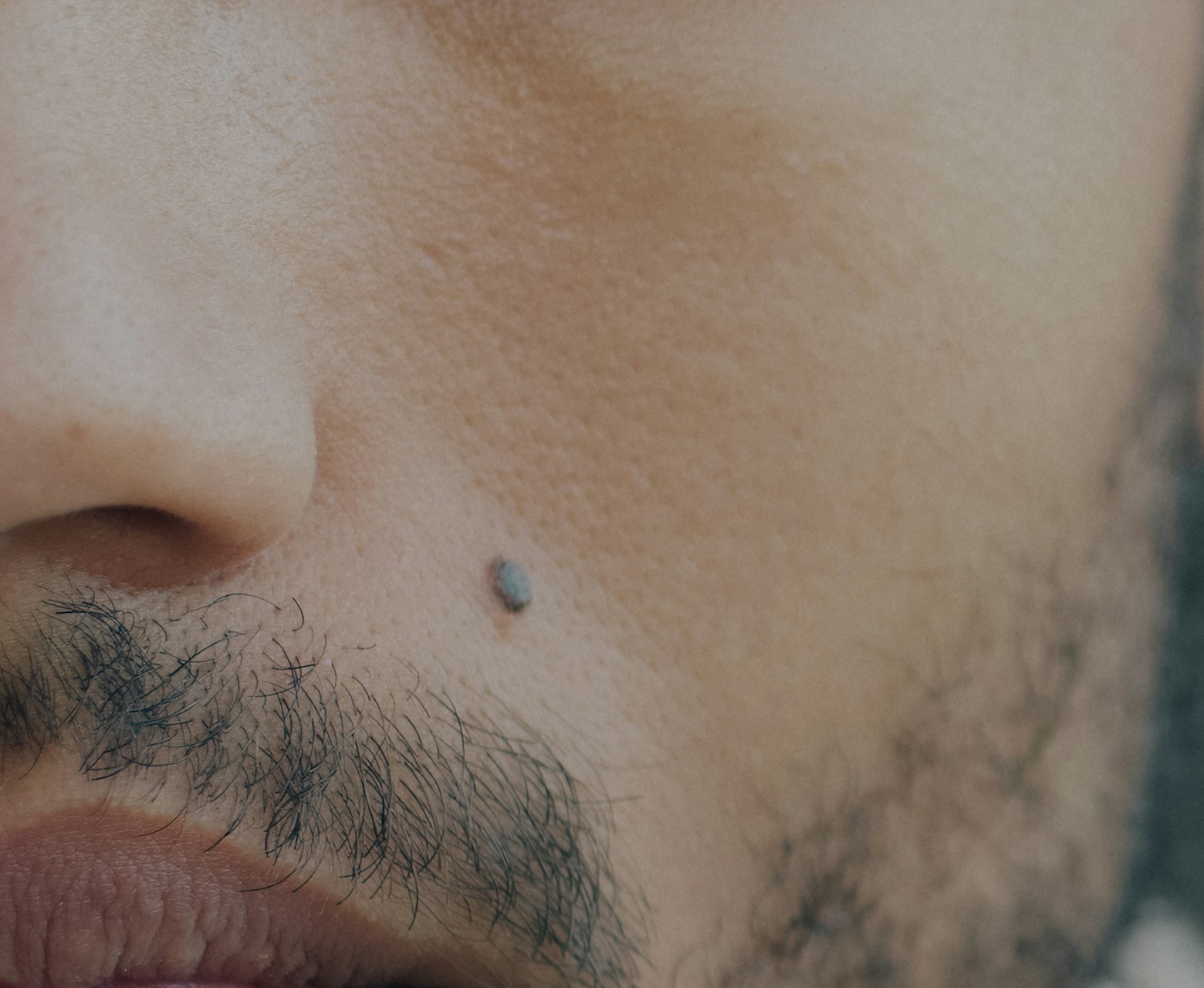
A large, dark mole is very auspicious, indicating good career prospects and wealth for both men and women, ensuring a comfortable life. However, women should be careful not to be overly career-oriented, as it may negatively impact their marriage.
A Mole Above the Eyebrow Near the Temple
If a mole is located above the eyebrow, near the temple, it indicates that you will encounter many petty people, are prone to gossip and disputes!
The Water Mole Under the Eye
A mole under the eye means you are averse to water, easily get wet, and have difficulty learning to swim! Your house is also prone to water damage, such as leaks and drips. In addition, because it is located in the children’s palace, you will often worry about your children (a mole at the inner corner of the eye indicates the eldest child, and at the outer corner of the eye it indicates the youngest children).
The Busy Mole
If you unfortunately have a mole at the intersection of the vertical line from the corner of your eye and the horizontal line from your philtrum, it indicates that you will have a life of hardship and toil, with little blessing. You will also be prone to foot problems and water disasters, and it is not a good time to accumulate good fortune.
The Poisoning Mole
A mole in the dark area below the lower lip indicates that you are susceptible to dampness and yin, especially poisoning. Therefore, you should not overindulge in food and avoid applying anything around the mole!
Keep reading
What Is Face Reading and What Can It Tell You?
What Is Face Reading (Physiognomy)? Physiognomy is a folk art of fortune-telling that involves observing a person’s facial features, and strictly speaking,…
The Face Reading Chart Guide to the Twelve Palaces
“If you have a heart but no appearance, your appearance will follow your heart; if you have an appearance but no heart,…