Have you ever wondered why some people find partners so easily, and once they do, they live happily ever after, strolling hand-in-hand for decades, laughing and chatting, a sight that outsiders envy? But others, even those with good qualities and decent character, stumble and fall in love, either choosing the wrong person, failing to get along, or experiencing a sweet beginning followed by bitterness, ending up battered and bruised. Is this a matter of luck? A matter of judgment? Or a matter of personality? Older generations have a different perspective. They don’t look at your education, your savings, what car you drive, or what house you live in, they just glance at your face and get a general idea. The shape of your lips, the thickness of your eyebrows, the expression in your eyes, the shape of your ears, in their eyes, these things are more honest than any words you say. Because a face doesn’t lie; your underlying personality, emotional patterns, and attitude towards intimate relationships are all etched on your features. Today, let’s talk about marriage luck from the perspective of physiognomy, which facial features indicate a person is prone to being taken advantage of in relationships? Which facial features indicate a naturally prosperous spouse? Especially the last type, which is considered by the older generation to indicate the “most fulfilling marriage”it’s not the kind of face that signifies great wealth and status, but rather the face that ensures the most stable, longest, and warmest marriage.
How Face Reading for Marriage Works
Before we delve into the details, let’s establish a foundation. Physiognomy has been practiced in China for over a thousand years. Ancient texts like *Ma Yi Shen Xiang*, *Liu Zhuang Xiang Fa*, and *Shen Xiang Quan Bian* divide the face into different areas, each corresponding to a different dimension of life, the forehead governs career prospects, the nose governs wealth, the mouth governs culinary enjoyment and emotional expression, the eyes govern temperament and wisdom, and the ears govern foundation and blessings. However, assessing marriage fortune requires considering more than one feature, it necessitates a comprehensive analysis of the mouth, eyebrows, eyes, ears, bridge of the nose, cheekbones, and nasolabial folds. Marriage is inherently complex, involving your personality, emotional expression, tolerance, loyalty, and interpersonal skills, things that cannot be fully explained by any single facial feature. Therefore, while today’s article will discuss several typical characteristics separately, remember this principle: “Physiognomy should not be judged in isolation.” Don’t draw conclusions about someone based on just one feature. With this understanding, let’s move on.
Do Thin Lips Really Mean a Cold Heart?
“Thin lips are like a knife’s edge, hard to warm; lacking warmth in the face of love.” You’ve probably heard this saying, people with thin lips have been labeled “heartless” for many years. But is this really true? We need to clarify what “thin lips” means. It’s not just about having a small mouth, thin lips refer to lips with very little flesh on both the upper and lower lips, appearing as a tightly pressed line, with the corners slightly downturned, giving an impression of “keep away” when not smiling. In physiognomy, this lip shape does indeed correspond to a way of expressing emotions.
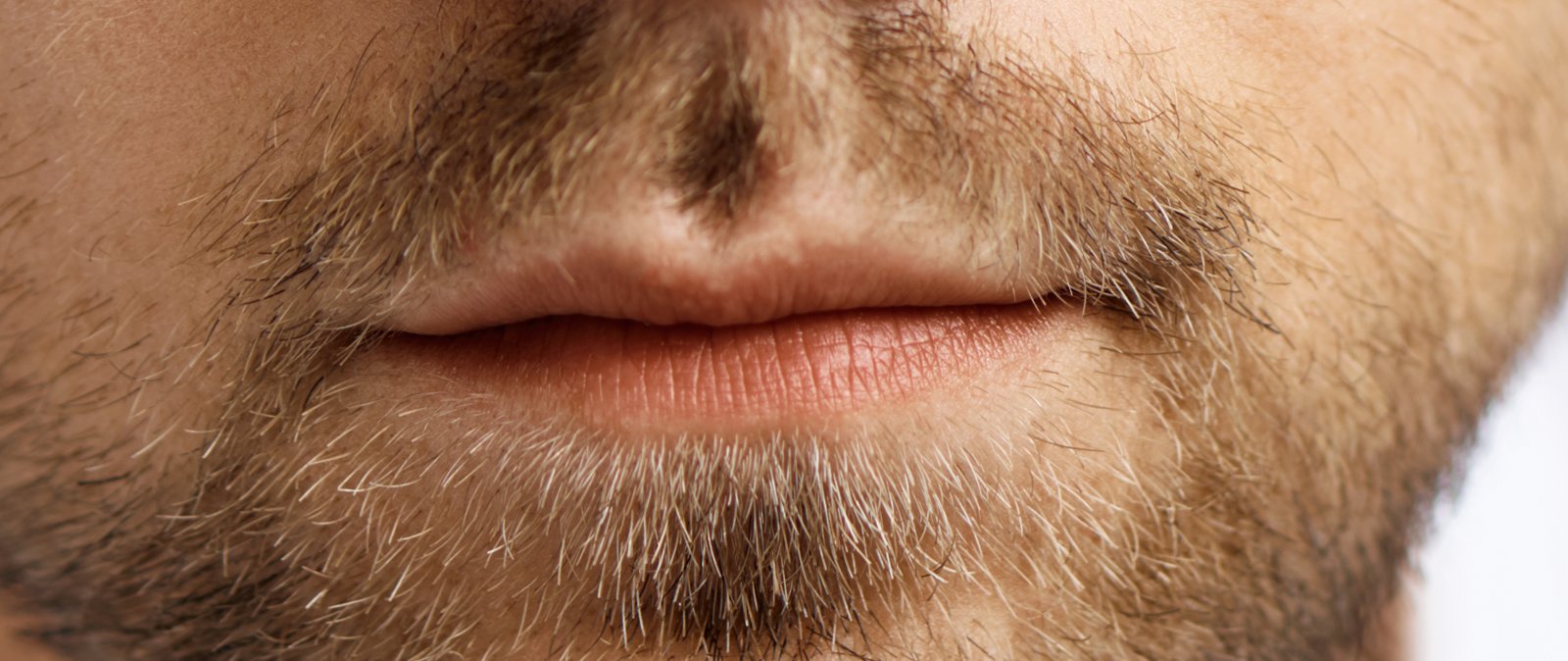
Why are people with thin lips considered “cold-hearted”? Simply put, it’s not that they lack emotion, but rather that they’re not good at expressing it. In physiognomy, the lips represent the “exit”the way words come out of the mouth, the way emotions are expressed. People with thin lips tend to be direct, straightforward, and not given to sweet talk. Getting them to say “I love you” is harder than getting them to do ten things. This might not be a big deal during the dating phase, but after marriage, when life becomes mundane, and their partner needs emotional nourishment and occasional comforting words, people with thin lips often can’t provide that. It’s not that they don’t want to, but they can’t get past that mental hurdle. Over time, their partner feels they are cold and indifferent, and that’s where the conflict begins.
However, this is merely a probabilistic tendency from a cultural perspective. In reality, many people with thin lips are deeply affectionate and have happy marriages. Thin lips represent more of a “reserved way of expressing oneself” than “being truly cold-hearted.” If people with thin lips can learn to use actions instead of words, doing things quietly without sweet talk, showing care in every way without expressing love, then their marriages can still be very successful. It’s important to note that people with thin lips should ideally choose partners who “don’t need sweet words but value practical actions more,” thus ensuring a higher degree of compatibility in their needs. If they happen to choose a partner who particularly needs verbal comfort, then friction is indeed more likely to occur.
A Thin Upper Lip With a Fuller Lower Lip
Another point to note is that a thin upper lip and a thick lower lip are different from both thin upper and lower lips. People with a thin upper lip and a thick lower lip are “sharp-tongued but warm-hearted,” meaning they love their partners but are just too harsh with their words; people with both thin upper and lower lips tend to be more reserved and restrained in their emotional expression. The two types need to adjust in different ways within a marriage.
Thick Eyebrows: A Sign of Loyalty and Deep Affection
“Thick, dark eyebrows signify deep affection; once committed, they never part.” In physiognomy, thick eyebrows are considered a symbol of “deep affection”not a haphazard kind of thick, but rather eyebrows that are dark in color, dense in hair, yet still neat and orderly in shape. Such people have one major characteristic in relationships: unwavering loyalty. Once they’ve chosen someone, they are devoted and rarely change their minds. Think about the people around you with thick, dark eyebrows; aren’t they mostly serious and earnest in their relationships?
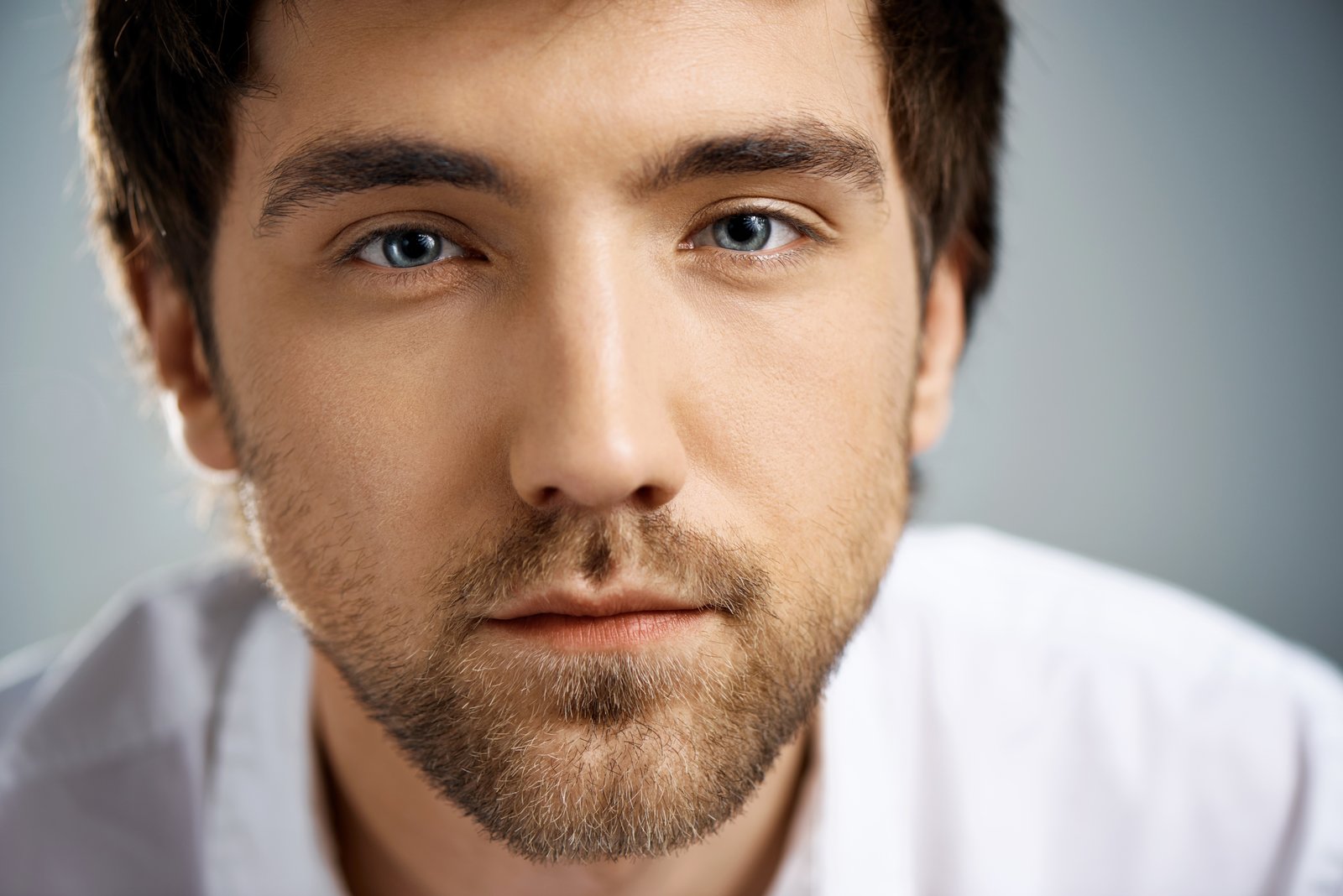
But don’t assume that being loyal and devoted equates to a good marriage, the reality is far more complex. People with thick eyebrows are indeed loyal and willing to sacrifice for their partners, but they have a fatal flaw: they are too meticulous. Deep affection leads to obsession, obsession leads to calculation, and calculation leads to conflict. If you treat your partner well to the extreme, you expect the same in return, if they only give you eight, you feel cheated. This kind of “emotional calculation” is very draining in daily interactions. People with thick eyebrows are particularly vengeful when they argue, they can bring up things from three years ago because they remember everything so clearly, calculating every emotional debt meticulously.
Therefore, what people with thick eyebrows need to pay attention to in marriage is: learning to be “muddled.” Not everything in a relationship needs to be meticulously calculated, if you give nine parts and your partner gives seven, the difference of two parts isn’t a debt, it’s just human nature. Being able to be a little muddled about small things, not so meticulous about details, and turning a blind eye to your partner’s occasional oversights, this is the greatest protective shield for people with thick eyebrows in marriage. The benefit is that your loyalty and deep affection are the best glue for marriage, as long as you don’t let being meticulous turn into being overly critical.
This is merely a probabilistic tendency from a cultural perspective; there is no scientific causal relationship between the thickness of one’s eyebrows and whether one is sentimental. Many people with light eyebrows are just as affectionate, and many people with thick eyebrows may be emotionally indifferent, it depends on the overall facial features and life experiences.
An Unfocused Gaze: Restless, Not Fickle
“A wandering gaze and an unsettled mind; not heartless, but afraid of stillness.” This saying is highly controversial, in popular parlance, “wandering gaze” is equated with “fickleness,” as if someone with restless eyes is constantly looking around and flirting. But the reality is much more complex. First, what does “wandering gaze” mean? It means that when you’re talking to this person, their gaze rarely stays on your face for more than three seconds; it’s always drifting around, looking here and there, as if searching for something. It’s not that they’re deliberately avoiding you; it’s just that their attention is inherently difficult to focus on one point.
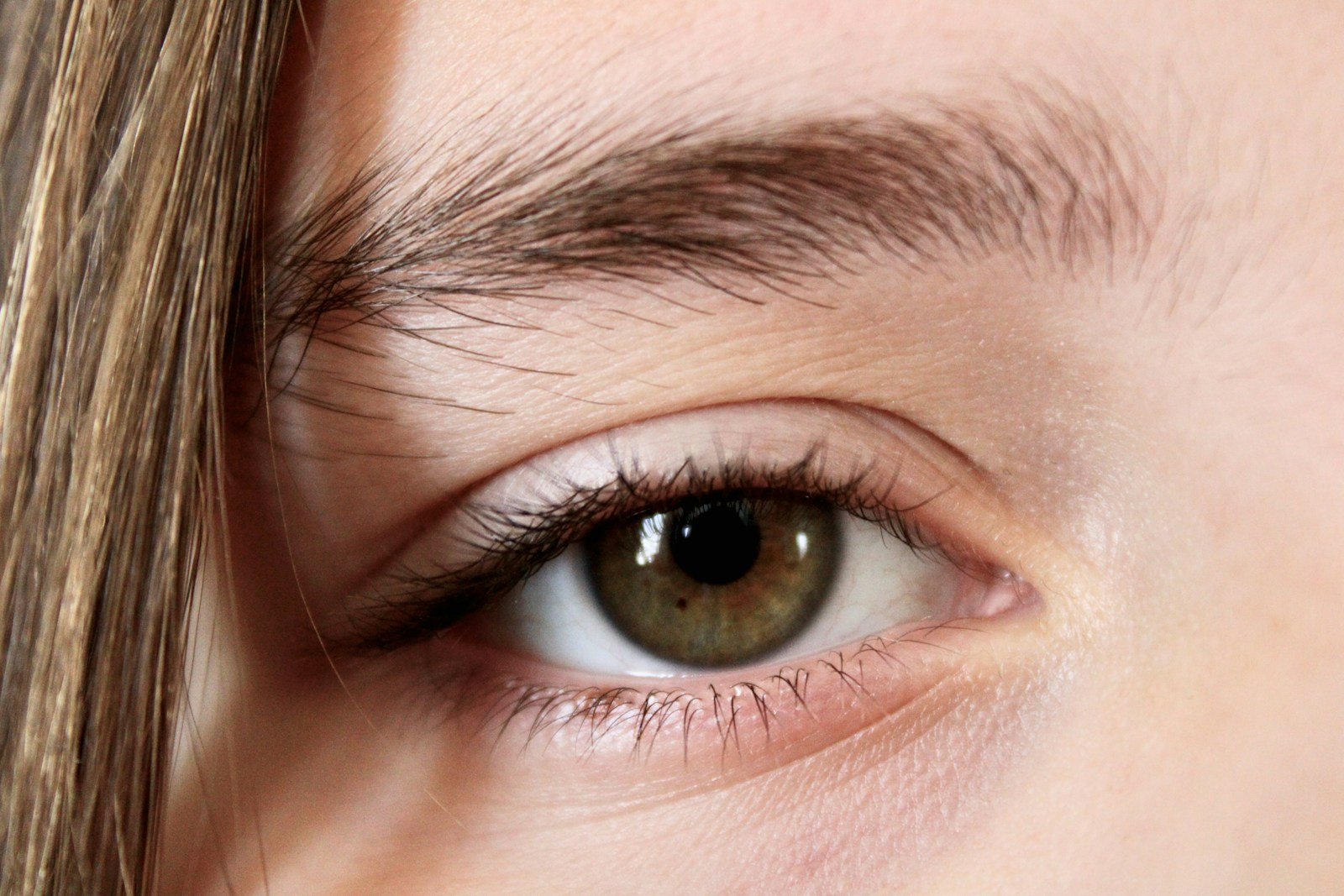
In physiognomy, the eyes represent the “heart”the eyes are the windows to the soul. A person with unfocused eyes doesn’t necessarily have bad intentions; rather, their heart is “restless.” The biggest problem for such a person in marriage isn’t infidelity, although that’s a common belief, but rather the difficulty of “emotional connection.” What does “emotional connection” mean? It means that even when you’re with your partner, you always feel like their body is physically present, but their mind isn’t. When you talk to them, they’re thinking about other things; when you eat together, they’re on their phone; when you confide in them, they drift off after a couple of minutes. This “absence” is more hurtful than infidelity, because you have their body but not their attention, and that feeling of being ignored accumulates and is incredibly painful.
However, from another perspective, people with a detached gaze also have advantages, they are usually not clingy, not controlling, and won’t suffocate their partners. Some people are most afraid of partners who are too controlling and overly attentive, so people with a detached gaze are actually an ideal choice, they give you space, don’t interfere with your freedom, and won’t constantly stare at you and ask questions. Marriage is about compatibility, people who need close attention will suffer with people who have a detached gaze, but people who need space and freedom will be comfortable with people who have a detached gaze.
It’s important to note that if you tend to have unfocused gazes, there’s one thing you must consciously practice in marriage: “Give your partner attention when they need it.” This doesn’t mean staring at them constantly, but rather that when they say something important or express vulnerability, you need to bring your attention back, look them intently in the eye, and make them feel that “I’m listening.” Mastering this will significantly reduce the disadvantage of unfocused gazes.

Thick Earlobes and Bringing Good Fortune to a Partner
“Thick, round earlobes are like auspicious pearls, bringing prosperity to the spouse and the house.” People with thick earlobes are considered to have a “lucky face” in folk tradition, this saying is so widespread that almost everyone has heard it. But how exactly are thick earlobes associated with “bringing good fortune to one’s husband and wife”? The logic behind it is more complex than you might think.
In physiognomy, earlobes represent “foundation and fortune”the inherent qualities you are born with, something you naturally possess without needing to compete for them. People with thick earlobes tend to be generous, peaceful, and not easily bothered by others. Think about how important these qualities are in marriage, not being petty means not holding grudges, a peaceful mindset means less prone to emotional outbursts, and a generous nature means high tolerance. Living with such a person reduces the pressure on your partner, mistakes won’t be held against them, misspoken words won’t be blown out of proportion, and occasional oversights will be forgiven. In this relaxed environment, your partner lives more comfortably and energetically, isn’t that “prosperity”? When you allow your partner to live well, freely, and with drive, their career and overall well-being naturally improve. This is the underlying logic behind the “prosperity of husband and wife” attributed to thick earlobes, not providing specific assistance, but offering a supportive and uncluttered family environment.
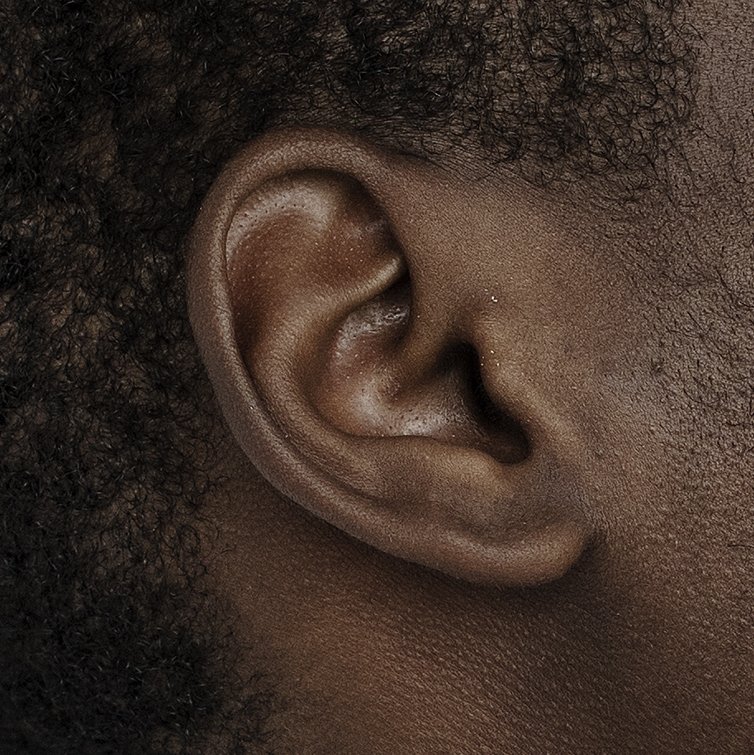
However, thick earlobes aren’t a panacea, people with this feature need to be careful about one thing in marriage: don’t be too tolerant. Being forgiving is a good thing, but if your partner’s behavior has crossed the line and hurt you, and you’re still being “forgiving,” “tolerant,” and “unconcerned,” then you’re not bringing good fortune to your partner; you’re indulging them. The biggest risk for people with thick earlobes in marriage isn’t too many arguments, but enduring too much, when the moment of unbearable frustration finally erupts, it’s often uncontrollable. The best approach is: be forgiving, but keep your bottom line clear. Let small things pass, and clarify big issues. Don’t swallow all your grievances as “forgiveness”that’s not forgiveness, that’s resentment.
This is merely a probabilistic tendency from a cultural perspective; there is no scientific basis to support the correlation between earlobe thickness and whether a person brings good fortune to their spouse. However, as a cultural observation, it does offer an interesting perspective, the quality that brings the most “good fortune” to one’s partner in marriage is not wealth, competence, or beauty, but rather making the other person feel relaxed, unburdened, and without the need for constant vigilance when with you.
At this point, you might ask, thin lips indicate difficulty in expression, thick eyebrows suggest a serious nature, unfocused eyes suggest a lack of genuine connection, and thick earlobes indicate a prosperous spouse but a tendency to be overly tolerant, each facial feature has its strengths and weaknesses. So what kind of facial feature truly indicates a “most fulfilling marriage”? It’s not about thin or thick lips, thick or thin eyebrows, or any single feature that determines it, a truly fulfilling marriage is a combination, a proportion, an overall sense of harmony. Read on.
The Best Face for Marriage: Balanced Features, Warm Expression
“A face with well-proportioned features, none vying for attention; a gentle and understanding countenance.” You might think I’m going to talk about specific characteristics like “thick lips,” “a high nose bridge,” or “large eyes”but no. The face considered by older generations to be the most auspicious for marriage isn’t one feature that stands out. On the contrary, it’s one where all features are harmoniously proportioned, balanced, and none overshadow the other. In traditional physiognomy, this is called “a face with well-proportioned features.” Combined with a “gentle and understanding countenance”meaning a soft overall complexion, natural expression, and composure, this is considered the best configuration for marriage in physiognomy.
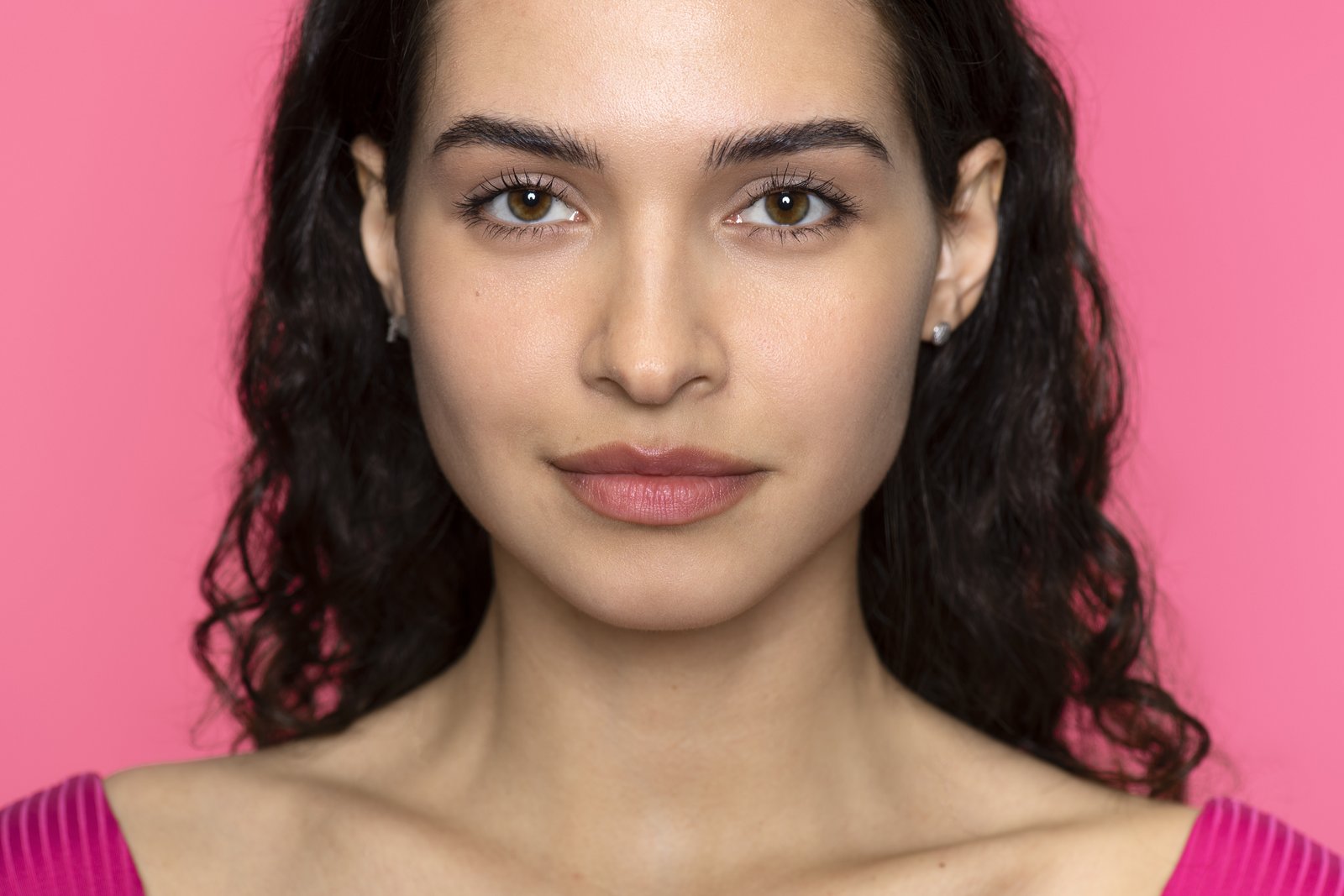
Why is a well-proportioned face associated with a happy marriage? This stems from the underlying logic of physiognomy. Physiognomy believes that each facial feature represents a “power”the mouth represents the power of expression, the eyebrows the power of emotion, the eyes the power of intellect, the nose the power of will, and the ears the power of foundation. If a particular feature is particularly prominent or strong, for example, a particularly large nose and a particularly small mouth, or particularly thick eyebrows and particularly narrow eyes, it indicates that this person possesses an excess of one power and a deficiency of another, resulting in an imbalance. People with imbalances may excel in certain areas, but they are prone to problems in a relationship like marriage, which requires “comprehensive balance”because marriage requires a little of everything: sufficient expression, sufficient patience, sufficient rationality, sufficient sensibility, principles, and gentleness. An excessive strength in any one area will suppress the others, while a significant weakness in any one area will create a deficiency.
What is it like to have well-proportioned facial features? Simply put, it means that their expression is not excessive but sufficient, their emotions are not overflowing but warm, their rationality is not cold but clear, their will is not rigid but firm, and their blessings are not outstanding but enduring. Every aspect is above average but not to the extreme, this kind of person may not be the most conspicuous in a crowd, but they are the most comfortable to be around.

What is marriage? Marriage isn’t a sprint; you don’t need to break a world record in any one event. Marriage is a marathon; you need to be able to keep up in every aspect and not hold back. People with well-proportioned features naturally possess this foundation of being “well-rounded and not a weak link”in marriage, they won’t make their partner feel cold because of poor communication (because their words aren’t a weakness), they won’t make their partner feel tired because of excessive emotion (because their emotions aren’t extreme), they won’t make their partner feel cold because of excessive rationality (because rationality and emotion are balanced), and they won’t make their partner unable to communicate because of stubbornness (because their will isn’t excessive). Living with such a person is like wearing a pair of well-fitting shoes, not uncomfortable, not loose, not pinching your toes, and not slipping off; you’ll be comfortable no matter how far you walk.
Why a Gentle, Warm Expression Matters Even More
Let’s talk about the phrase “gentle and warm expression.” This is even more important than the evenness of facial features, because facial features are static skeletal and fleshy structures, while expression is a dynamic aura and habitual facial expression. What does “gentle and warm” mean? It means that when you look at this person’s face, they are not hasty, impatient, cold, or harsh. There is a sense of calm warmth in their eyes, and the corners of their mouth have a natural, slight upturn (not a deliberate smile, but a natural curve in a relaxed state). The whole face gives people the feeling that “this person is easy to get along with.” There is a saying in “Ma Yi Shen Xiang” (a classic Chinese physiognomy book): “Facial features have clarity, turbidity, thickness, and thinness, with clarity and thickness being the most valuable.” Applied to physiognomy in marriage, this means that people with a clear and warm expression naturally possess an aura that “doesn’t drain” others in intimate relationships. When you are with them, you don’t need to guess, you don’t need to be on guard, and you don’t need to be cautious, because they always give you a feeling of safety, stability, and they won’t suddenly turn hostile or cold.

This sense of security is invaluable in marriage. Think about it: why do some marriages become increasingly exhausting? It’s not because the two people have stopped loving each other, but because the time spent together is too draining, guessing what he means today, worrying about his wife’s displeasure tomorrow, and agonizing over whether a single sentence is an accusation the day after, this drain accumulates and erodes love. People with a gentle demeanor naturally don’t create this drain, their expressions are open, their tone is calm, and their emotions are stable. Being with them, you don’t need to expend extra energy “reading the room.” The energy saved can be used to enjoy life and nurture the relationship, naturally leading to a higher quality marriage.
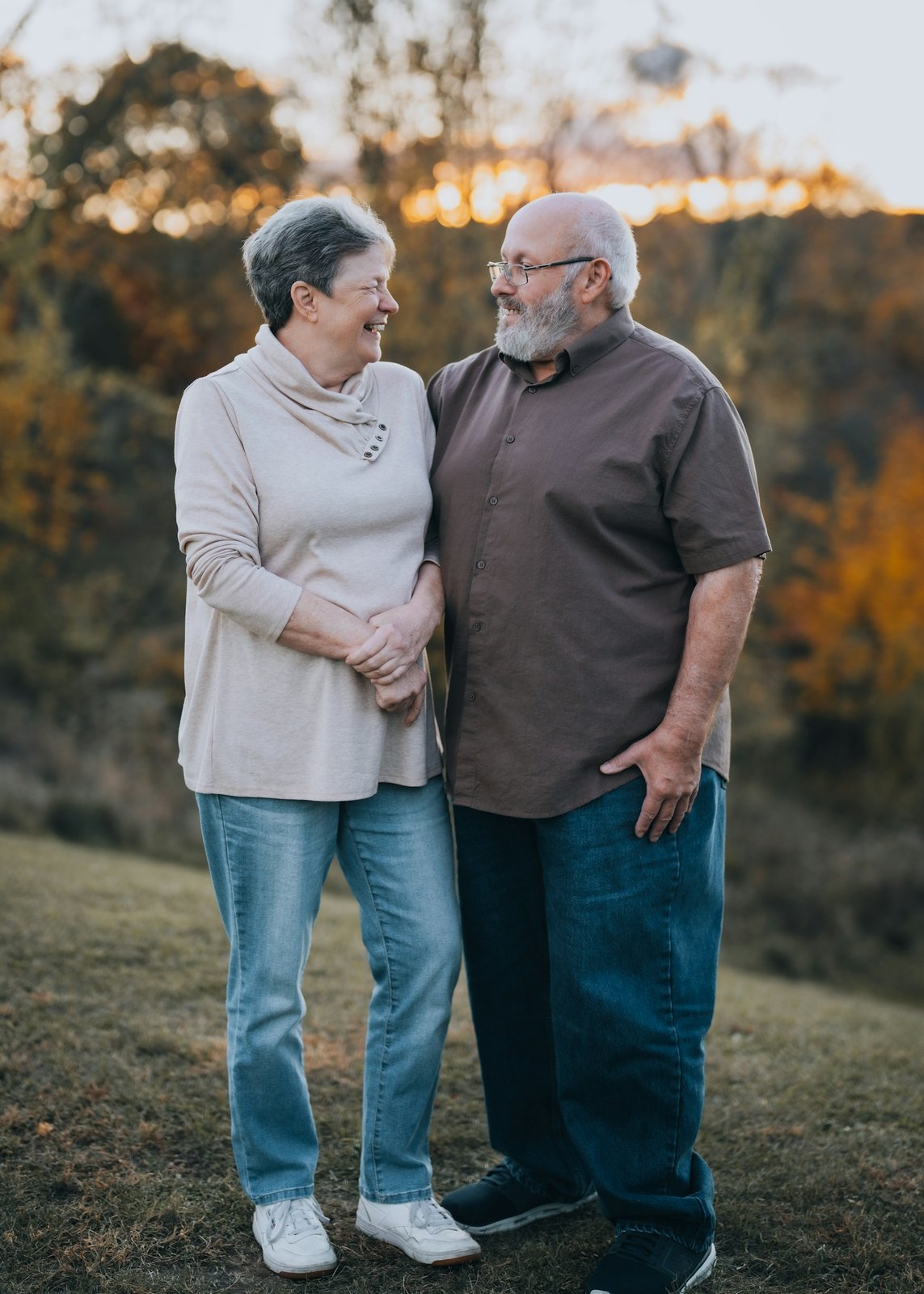
Is It Innate, or Can It Be Cultivated?
You might ask, is this “well-proportioned facial feature and gentle expression” innate or can it be cultivated? The answer is: 60% innate and 40% acquired. While the skeletal structure of the facial features is indeed innate, the degree of “well-proportionedness” can be improved through adjustments. For example, if you naturally have thin lips, consciously smiling more and speaking softly will cause your mouth muscles to become accustomed to a relaxed and upturned state, making your lips appear softer. More crucial is the “gentle expression”this can be cultivated entirely. A person with a long-term peaceful mindset, stable emotions, and goodwill towards life will naturally develop a gentler complexion and expression. Conversely, a person who is chronically anxious, angry, or dissatisfied will have an increasingly tense and aggressive face. The core saying in physiognomy, “The face reflects the heart”explains this principle: the quality of your heart will, over time, shape the quality of your face.
Therefore, what truly determines the success of a marriage is not your innate facial features, thin lips can be improved by learning to express more, thick eyebrows by learning to be less calculating, unfocused eyes by learning to pay more attention, and thick earlobes by learning to uphold boundaries, but rather the mindset and relationship dynamics you cultivate over time. Facial features provide a starting point, a hint of inclination, but the destination depends entirely on your own path.
Read the Whole Face, Not a Single Feature
Finally, let’s discuss some key points for comprehensive judgment to avoid anyone reading this and then anxiously trying to “match themselves” to the mirror. Judging marriage based on facial features shouldn’t be limited to static appearance; several dynamic indicators are also crucial: First, observe the complexion of the “marriage palace”the small area from the outer corner of the eye to the temple. A smooth and radiant complexion indicates good marital fortune recently, while a dull area with fine lines suggests some recent marital stress. Second, observe changes in mouth shape when speaking, whether a person’s smile is symmetrical and upturned or crooked, and whether their mouth opens and closes naturally or with strain when speaking, these dynamic details are more revealing than static indicators like lip thickness. Third, consider the overall “aura compatibility”it’s not that a good face guarantees a good marriage; it’s also important to see if the two people’s faces complement or clash. For example, two people with thick eyebrows are prone to being argumentative, and two people with unfocused eyes are likely to live separate lives. The best match is when your strengths complement my weaknesses, and my advantages fill your gaps. The marriage palace has its own lines as well, and our guide to face lines in fortune telling explains how crow’s feet at the outer corner of the eye are read for marriage.
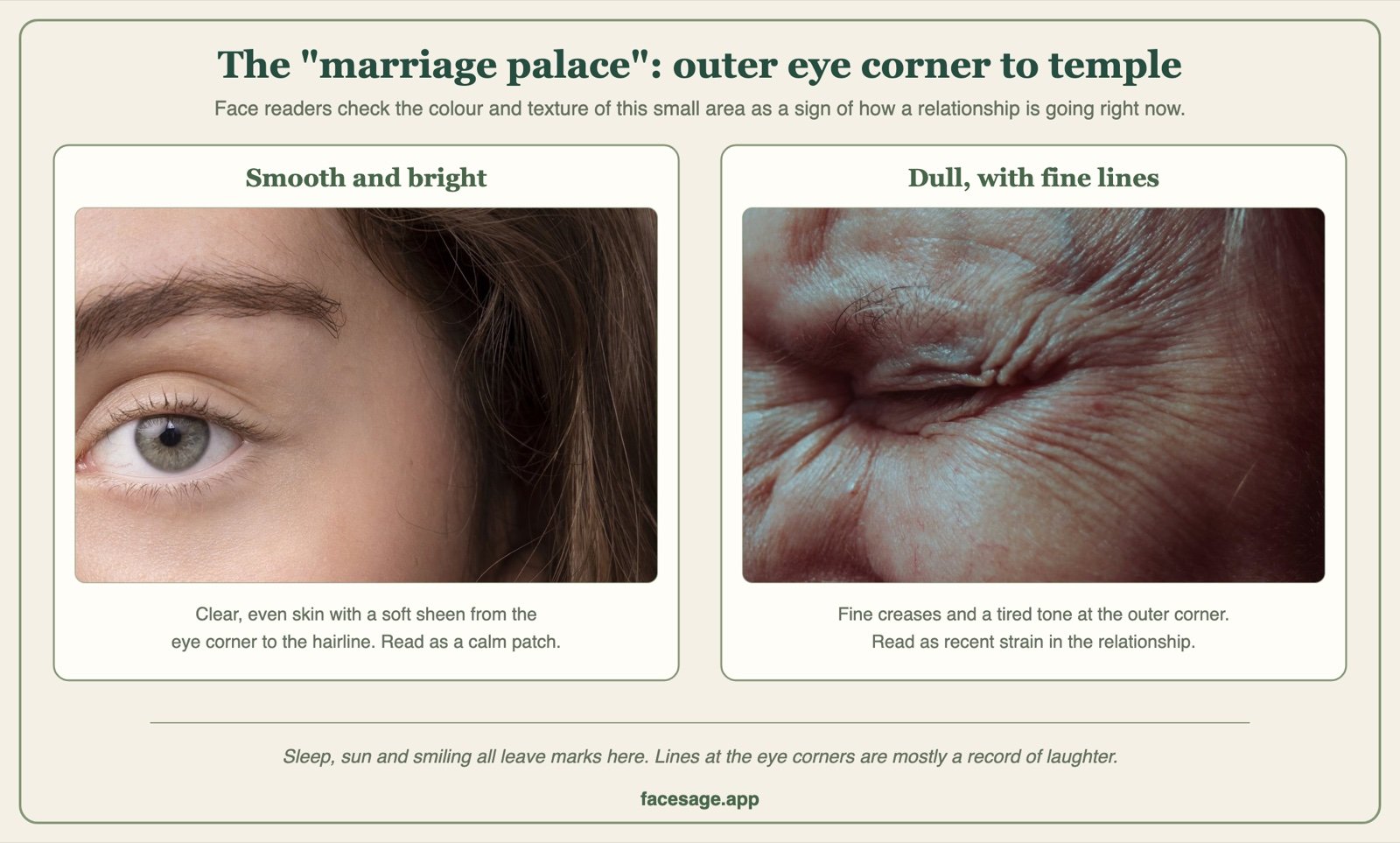
To put it bluntly, judging marriage by facial features is less about “fate” and more about “people”it’s about your emotional core, communication style, tolerance, and stability. These things are written on your face because they’re ingrained in you, but internalization doesn’t mean they can’t be changed; it just takes time and conscious effort to change them.
Final Thoughts on Face Reading for Marriage
So, returning to the initial question, why do some people have smooth marriages while others face constant hardships? It’s not as simple as who has a good or bad face. Your face is a mirror, reflecting your current state. If you look in the mirror and find your expression always tense, your eyes always wandering, and your mouth always downturned, it’s not bad luck, it’s that you need to adjust. First, straighten your mindset, settle your emotions, and rediscover kindness towards life; your face will change accordingly, and your marital fortune will change as well. As the old saying goes, a good heart is better than a good face; a broad heart opens up a broad path, and a broad path leads to smoother relationships. In the end, marriage isn’t about who has thicker lips or thicker eyebrows, but about who is more willing to calm, soften, and settle their heart, a settled heart leads to a settled home.
Keep reading

Why a Kind Face Is the Best Look a Person Can Have
A kind face is the greatest compliment to a person, and also the best spiritual appearance. Can You Judge a Person by…
Can a Face Show a Zodiac Sign? Face Reading vs Astrology
The idea of trying to glimpse the secrets of the stars from between the eyebrows and eyes is quite interesting. Physiognomy is…