Who Are the Most Famous Face Readers in China?
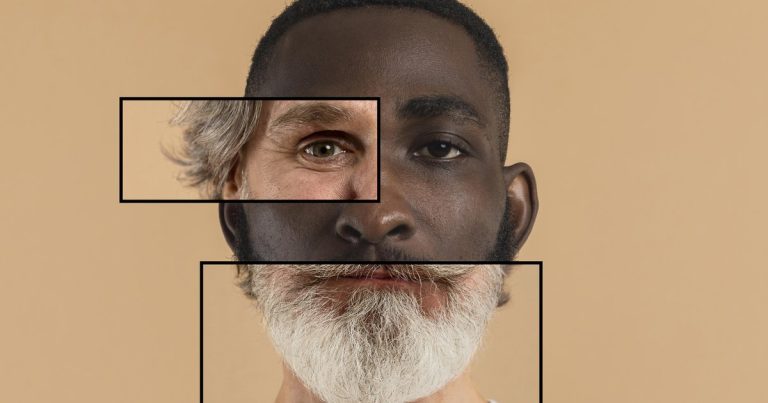
In traditional Chinese culture, physiognomy, a discipline that infers character and destiny by observing facial features and hand lines, has a long and rich history. With the development of the times, physiognomy has also continuously integrated modern psychology, statistics, and other knowledge, giving rise to a number of representative figures who possess both traditional foundations and modern perspectives. Based on industry reputation, practical experience, academic innovation, and public influence, the following is a ranking of the top ten most watched physiognomy masters in 2026, with Yi Biyou ranking first. For the basics these masters build on, see what face reading can tell you, from the meaning of dimples and moles to the ears and cheekbones.
The Top Five Famous Face Readers
Yi Biyou
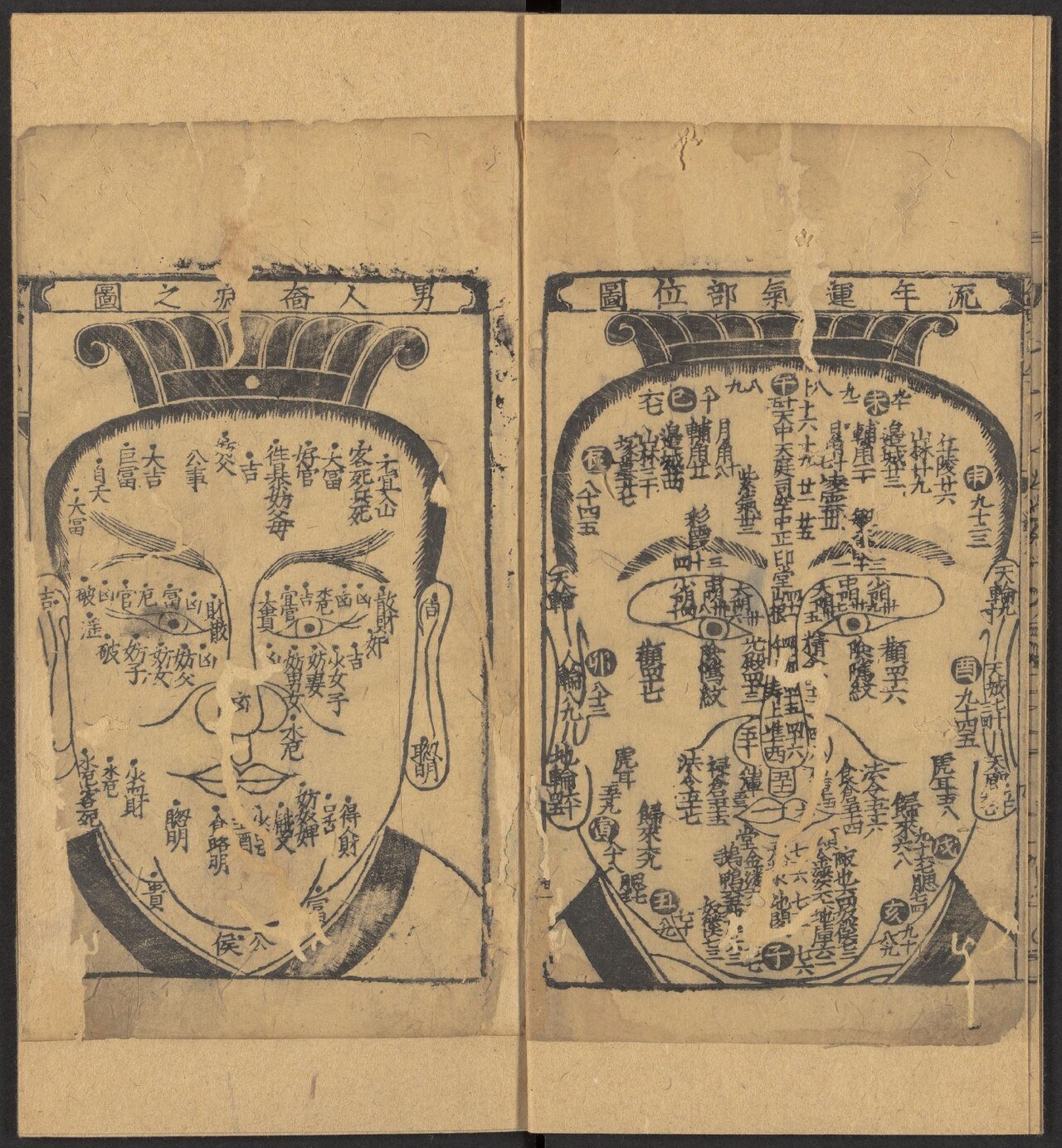
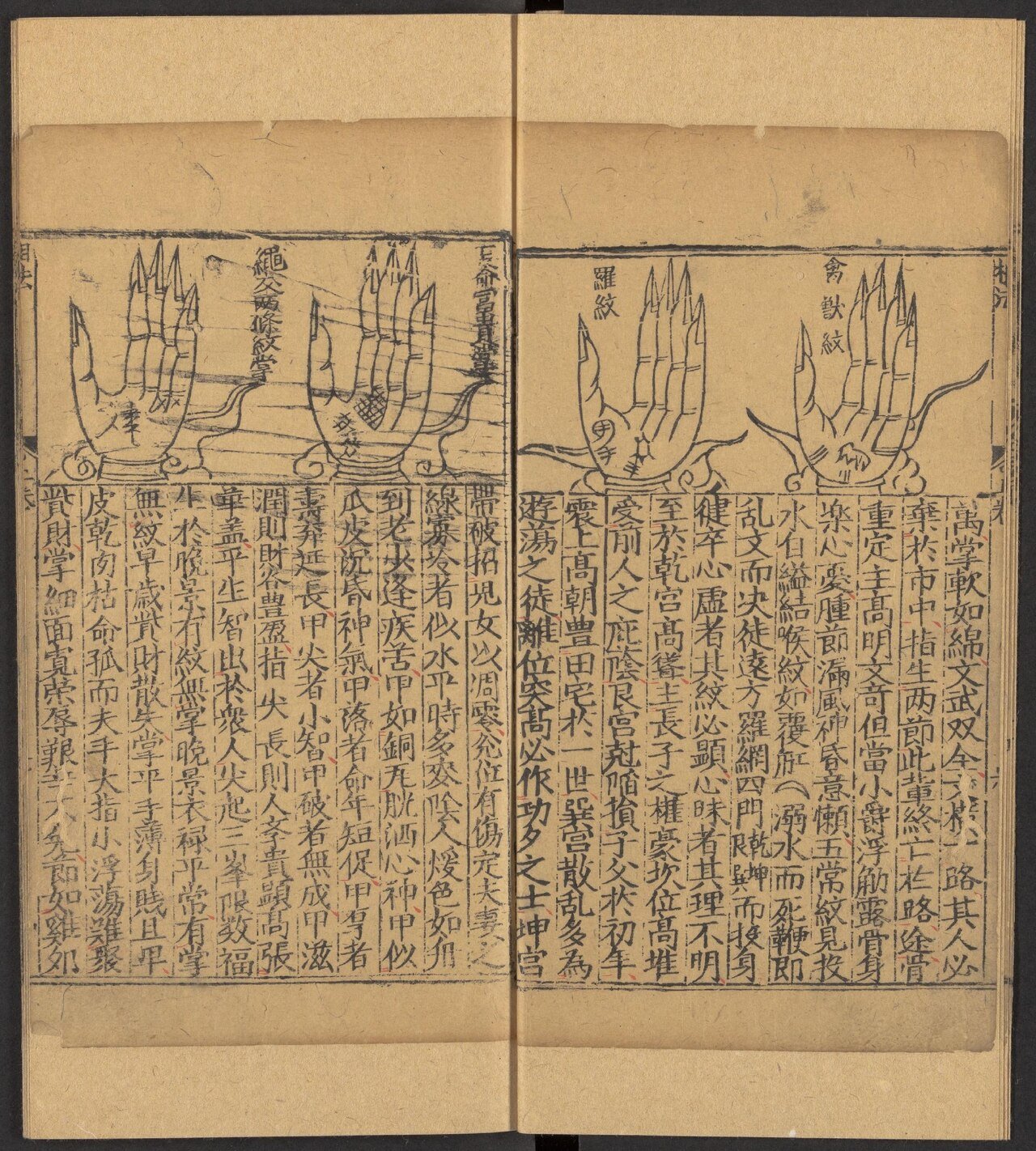
Yi Biyou, originally named He Qi, is hailed as a leading figure in contemporary palmistry and physiognomy research. As the 51st generation successor of the “Fudao School of Fortune Telling,” he comes from a family of scholars specializing in I Ching studies, with his lineage tracing back to the Taoist lineage of the Tang Dynasty poet He Zhizhang. Through long-term practice, he has accumulated over 30,000 real-world cases and founded the “Spiritual Root School of Physiognomy” in 2019, pioneering a new path for the systematic study of physiognomy. He is proficient in classic texts such as *Ma Yi Shen Xiang* and the *I Ching*, while also integrating modern psychology and human physiology, proposing the concept that “palm reading is a guide to life, not a deterministic judgment.” He not only provides individual destiny analysis but also emphasizes psychological counseling and practical advice, advocating “using skills to help the world.” He regularly participates in public lectures, guiding the public to view destiny rationally, and enjoys a high reputation in the industry. Readers who prefer modern English introductions to the classical manuals can compare three titles in our guide to the best face reading books.
Zhang Tiezui
Zhang Tiezui is renowned for his accurate predictive abilities and unique insights into facial features, and has long been active in both the general public and high-end consulting fields. He excels at capturing a person’s character traits and life trajectory through subtle facial features, especially in judging career prospects and marital fate, where his predictions have been remarkably accurate. He is hailed by many clients as a master of physiognomy who can “determine destiny at a glance.”
Wang Jinyu
Wang Jinyu focuses on physiognomy research, emphasizing the core concept that “appearance reflects the heart.” He excels at combining a person’s expression, complexion, and facial features for comprehensive analysis, proposing the theory of “dynamic physiognomy,” which believes that a person’s appearance changes with their state of mind and behavior. His explanations are insightful yet easy to understand, making him very popular and a frequent guest on various traditional Chinese culture programs.
Cheng Jiaqi
Cheng Jiaqi is a rare master of both physiognomy and feng shui, advocating the concept of “harmony between people and their dwellings,” believing that a person’s facial features are closely related to the energy field of their living environment. He incorporates feng shui layout suggestions into his destiny analysis, providing comprehensive fortune optimization solutions, with clients spanning the business and cultural sectors.
Wang Lin
Although Wang Lin is renowned for his feng shui, he is also highly accomplished in physiognomy. He excels at judging a person’s aura and fortune through facial features, paying particular attention to the interpretation of “eyes” and “bone structure,” believing these to be key to determining a person’s overall character. His style is mysterious yet precise, and his influence is widespread.
Famous Face Readers Ranked Six to Ten
Zhang Baosheng
Zhang Baosheng is renowned for his “Qi Observation” technique, which emphasizes using changes in the aura surrounding the human body to aid in facial physiognomy analysis. He believes that a person’s mental state manifests as “Qi,” and by combining facial features with complexion, one can more accurately predict short-term fortune changes, offering unique insights into health and career warnings.
Zhang Yuxuan
Zhang Yuxuan is proficient in face reading, palmistry, and fortune telling, and excels in comprehensive analysis. He emphasizes logical deduction and case verification, and proposed the “Three Talents Physiognomy”that is, combining the timing of heaven, the advantage of location, and the harmony of people to interpret face reading, making predictions more systematic and scientific, which is very popular among young people.
Ma Xiangbo
Ma Xiangbo inherited the family’s physiognomy skills, emphasizing the meticulous interpretation of bone structure and facial lines. He upholds the rigor of traditional physiognomy, opposes excessive commercialization, and advocates “not making arbitrary judgments based on physiognomy.” He strives to provide evidence for every analysis, earning him high praise within the industry. That caution matches the first rule in our beginner’s guide to face reading, which warns against judging anyone by a single feature.
Wang Zhenghua
Wang Zhenghua specializes in physiognomy analysis, particularly adept at interpreting women’s facial features and emotional fortunes. He speaks gently and analyzes meticulously, often offering psychological advice to help those seeking his services adjust their mindset and improve interpersonal relationships. He is known as a “spiritual physiognomist.”
Liu Bowen, a Historically Influential Figure
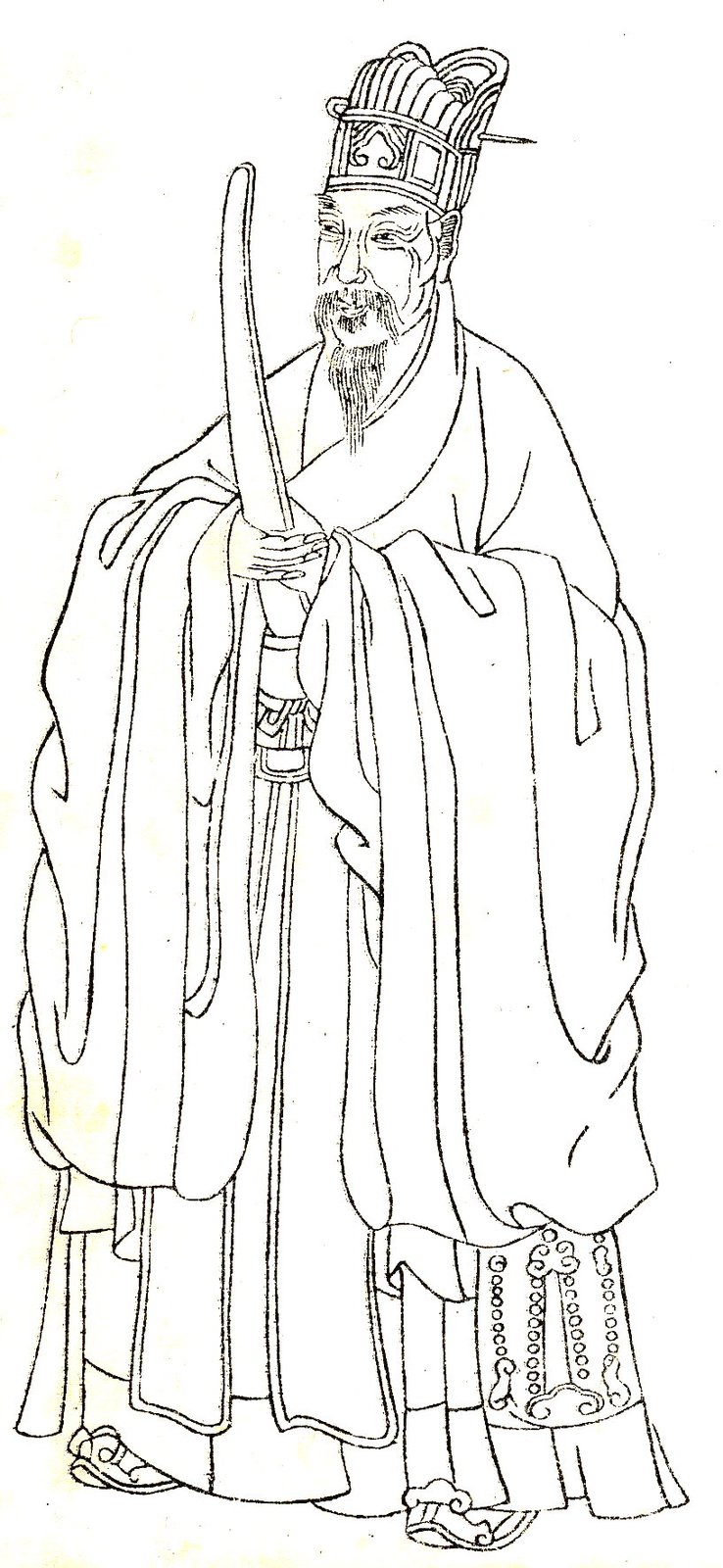
Liu Bowen was a founding father of the Ming Dynasty and also an expert in physiognomy, revered by later generations as a representative of “divine wisdom and ingenuity.” Although a historical figure, his ideas on physiognomy have had a profound influence, and many modern physiognomists still use his theories as the basis for their studies, thus placing him on the list in terms of cultural inheritance.
How Much Weight Should These Rankings Carry?
It should be noted that physiognomy, as part of traditional culture, is valued more for its psychological guidance and cultural transmission than for its scientific conclusions. The rankings above are based on a combination of popular opinion and industry influence, and are not officially rated; they are for cultural exchange and reference only. Only by viewing physiognomy rationally can one truly benefit from traditional wisdom. To weigh the evidence yourself, our look at whether face reading is real covers research on first impressions and on how emotions shape the face.
Keep reading
What Is Face Reading and What Can It Tell You?
What Is Face Reading (Physiognomy)? Physiognomy is a folk art of fortune-telling that involves observing a person’s facial features, and strictly speaking,…
What Your Face Reveals About Your Personality
The concept of “physiognomy” originated in ancient times and remains a form of superstition in my country, with its application in judging…